ASTM A182 F440 is a high-chromium ferritic stainless steel grade designed for outstanding oxidation, corrosion, and scaling resistance at elevated temperatures. With chromium content between 25–30%, this alloy offers excellent resistance to hot gases, steam, and oxidizing environments. It combines good mechanical strength with superior stability under thermal stress, making it ideal for heat exchangers, furnace parts, and petrochemical applications.
At Emirerri Steel, we manufacture and supply premium-quality ASTM A182 F440 stainless steel flanges and forged components that meet international standards. Our products ensure exceptional durability, dimensional precision, and performance in aggressive environments.
Key Features
Excellent oxidation and scaling resistance up to 1100°C
Superior corrosion resistance in oxidizing and sulfur-bearing atmospheres
High mechanical strength and hardness
Stable performance under thermal cycling conditions
Good resistance to stress corrosion cracking
Suitable for high-temperature and industrial furnace components
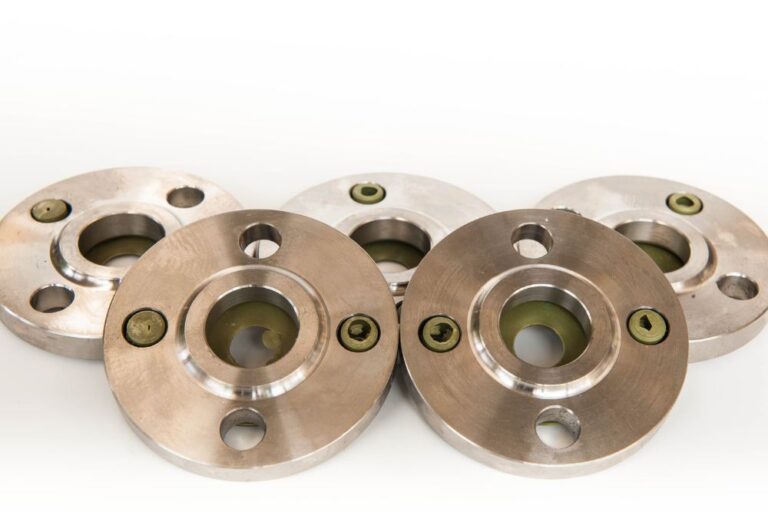
Stainless Steel Flanges
Type of Flanges ASTM A182 F440
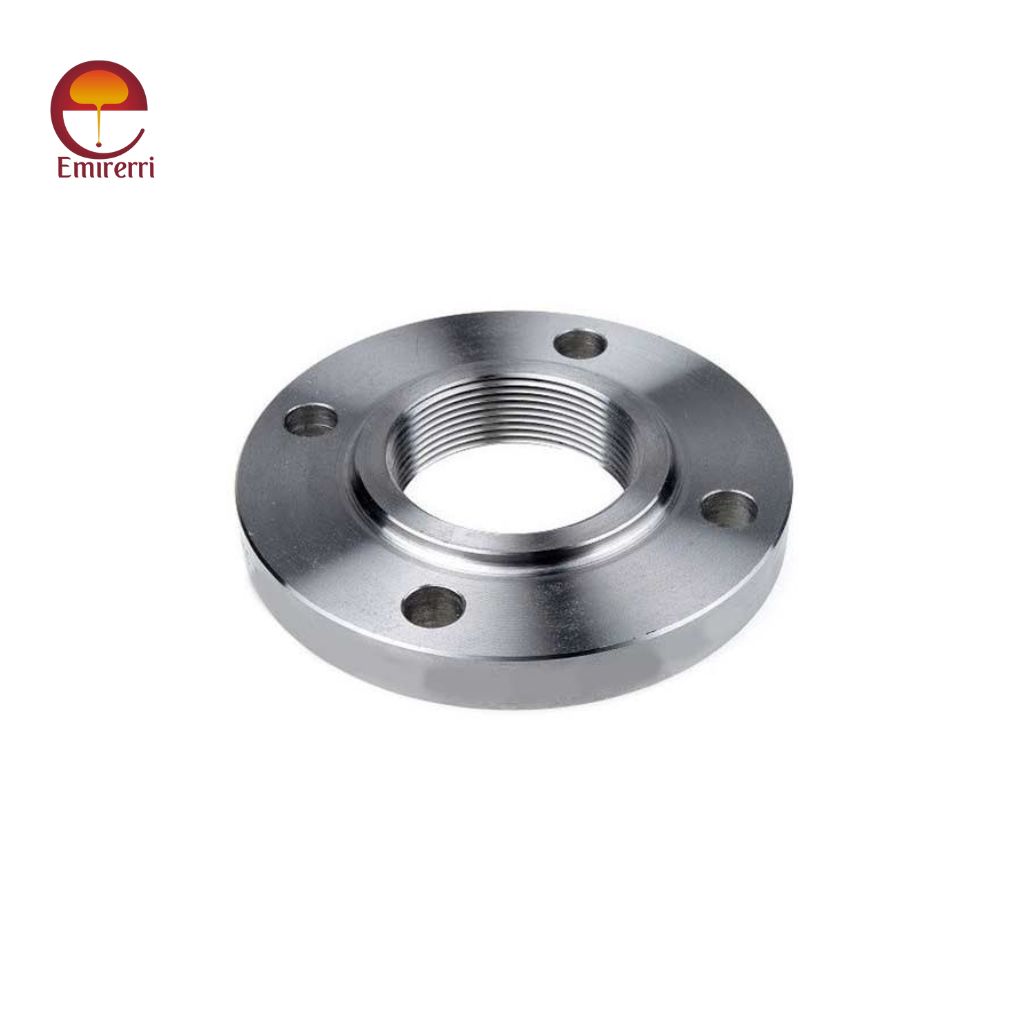
ASTM A182 F440 Threaded Flanges
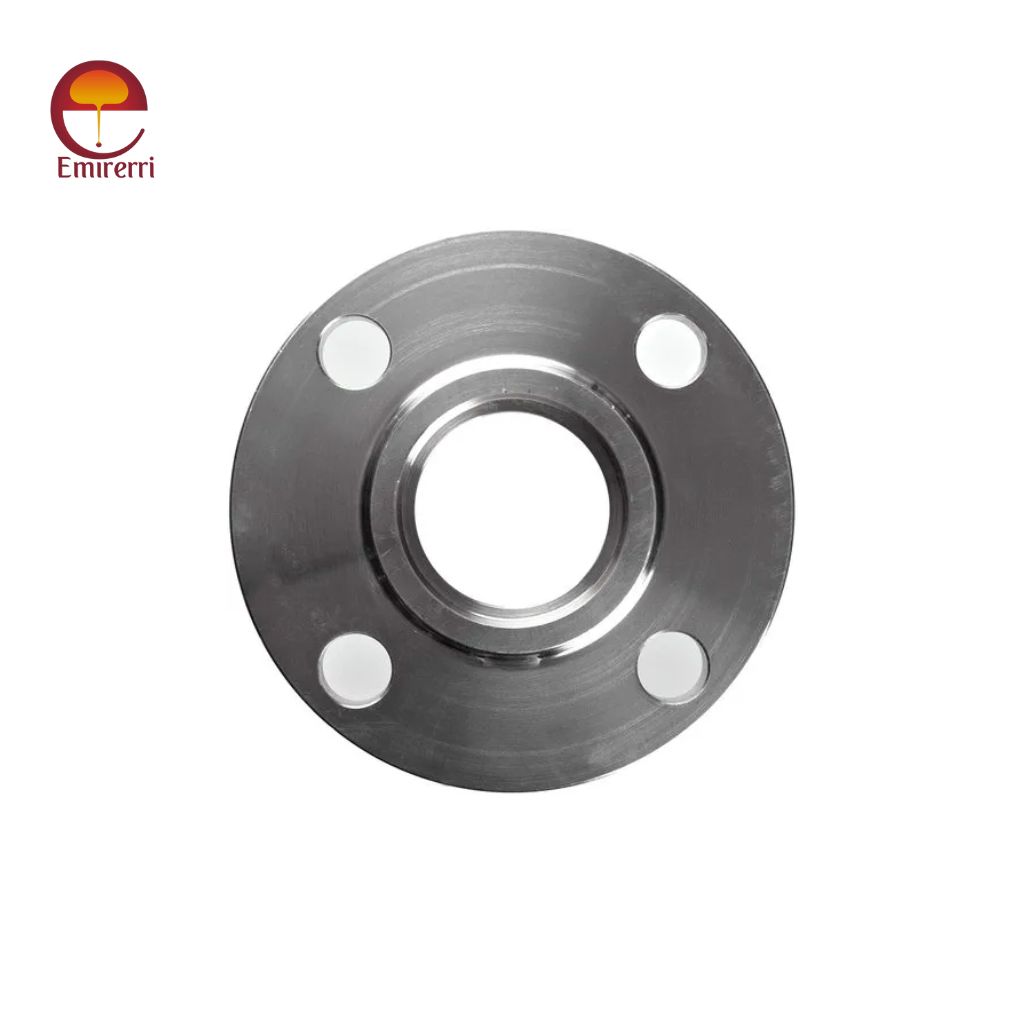
ASTM A182 F440 Socket-Weld Flanges
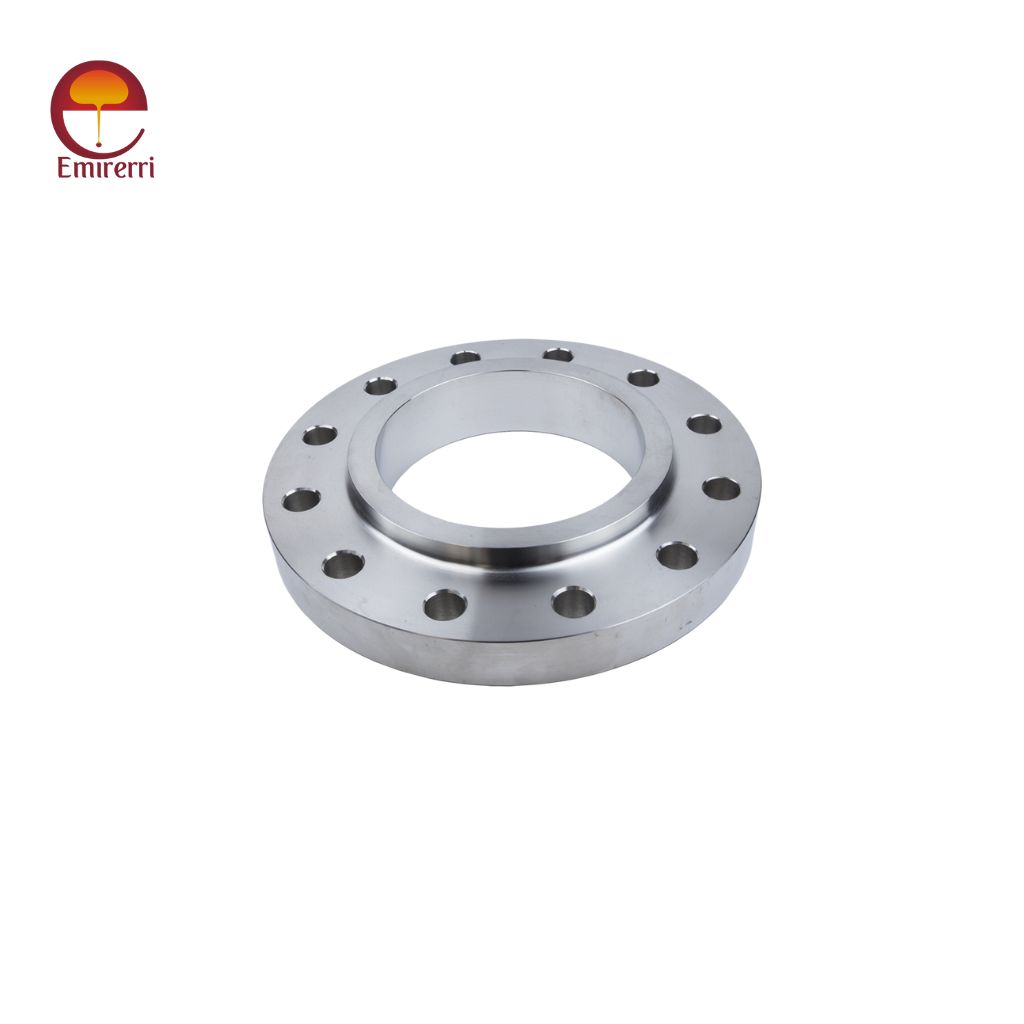
ASTM A182 F440 Slip On Flange
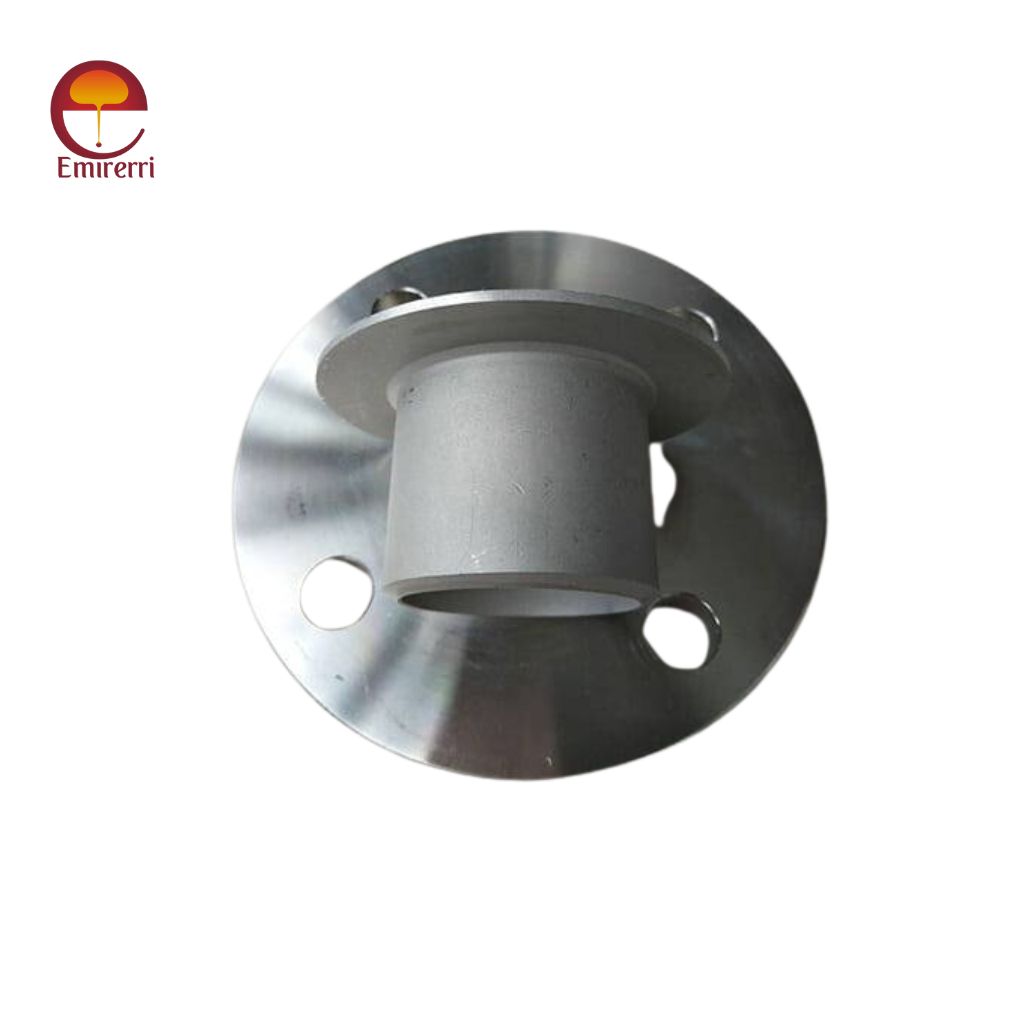
ASTM A182 F440 Lap Joint Flanges
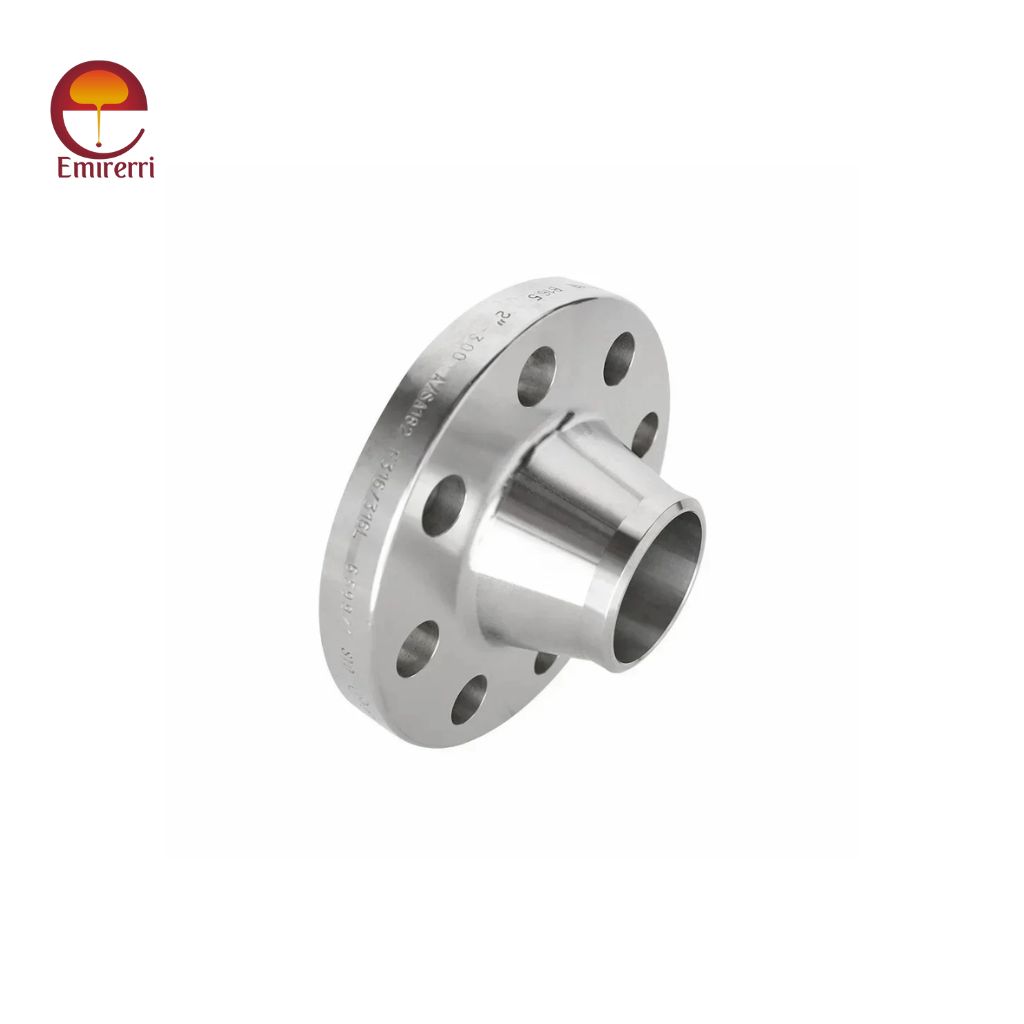
ASTM A182 F440 Weld Neck Flanges
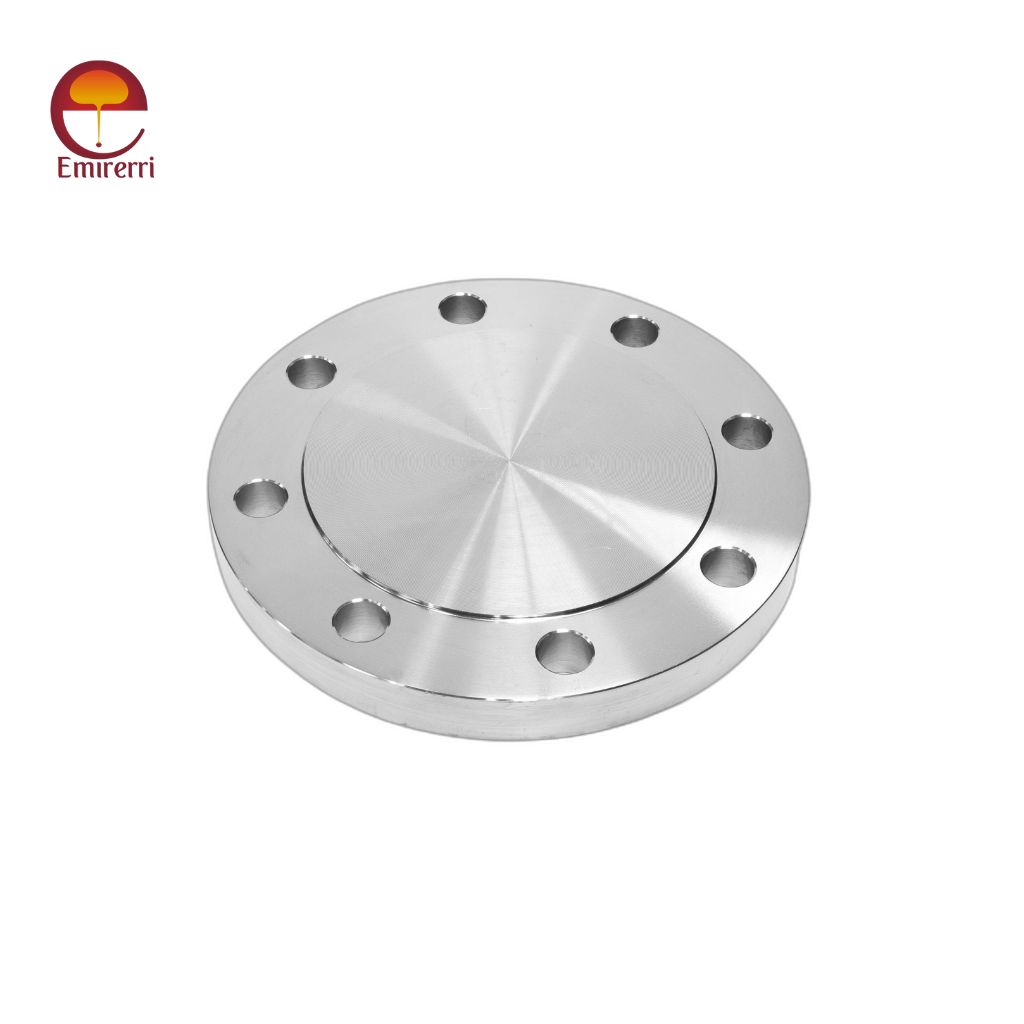
ASTM A182 F440 Blind Flange
Specification
Specification
Details
Standard
ASTM A182 / ASME SA182
Grade
F440
Material Type
Ferritic Stainless Steel
Manufacturing Process
Forged / Rolled
Forms
Flanges, Fittings, Valves, Forged Components
Pressure Class
150#, 300#, 600#, 900#, 1500#, 2500#
Size Range
½” to 48” (DN15 – DN1200)
Dimensions
ASME B16.5, B16.47, DIN, EN, JIS, GOST
Equivalent Grades
Standard
Equivalent Grade
UNS
S44000
EN
X30CrMo13 / X40CrMo13
DIN
1.4109 / 1.4125
JIS
SUS440A / SUS440B / SUS440C
BS
440S15 / 440S17
Available Sizes
Flanges: ½” NB to 48” NB
Forged Fittings: ⅛” to 4”
Custom sizes available as per design or project specifications
Chemical Composition
Element
Percentage (%)
Carbon (C)
0.60 – 0.75
Manganese (Mn)
1.00 max
Silicon (Si)
1.00 max
Phosphorus (P)
0.040 max
Sulfur (S)
0.030 max
Chromium (Cr)
16.00 – 18.00
Molybdenum (Mo)
0.75 max
Nickel (Ni)
0.75 max
Iron (Fe)
Balance
Mechanical Properties
Property
Unit
Value
Tensile Strength
MPa
760 min
Yield Strength (0.2% Proof)
MPa
450 min
Elongation
%
14 min
Hardness (Annealed)
BHN
217 max
Hardness (Hardened)
BHN
500 max
Impact Toughness
J
25 (typical)
Physical Properties
Property
Unit
Value
Density
g/cm³
7.75
Melting Point
°C
1480 – 1520
Thermal Conductivity
W/m·K
24.0
Electrical Resistivity
µΩ·m
0.65
Modulus of Elasticity
GPa
200
Corrosion Resistance
ASTM A182 F440 stainless steel provides excellent resistance to corrosion in oxidizing environments, steam, hot gases, and mild acids. The high chromium content forms a stable oxide film, offering superior protection against scaling, oxidation, and pitting. However, it is less resistant to reducing acids and chloride attack compared to austenitic grades.
Heat Resistance
F440 offers outstanding scaling resistance up to 1100°C (2010°F), maintaining both oxidation protection and mechanical stability. This makes it ideal for furnace parts, heat exchangers, and other high-temperature applications.
Heat Treatment
Annealing: 850–900°C (1560–1650°F), air cool.
Hardening: 1010–1065°C (1850–1950°F), followed by oil or air quenching.
Tempering: 150–370°C (300–700°F) depending on desired hardness. Proper heat treatment improves mechanical strength, toughness, and corrosion resistance.
Welding
ASTM A182 F440 can be welded using TIG, MIG, and shielded metal arc welding methods with preheating (200–300°C) and post-weld tempering to minimize cracking. Filler metals such as AWS E410NiMo or E420 are recommended to maintain weld integrity.
Fabrication
This grade can be machined and forged easily in the annealed condition. Forging should be carried out between 950°C and 1200°C, followed by slow air cooling. Machined components should be polished or passivated for improved corrosion resistance.