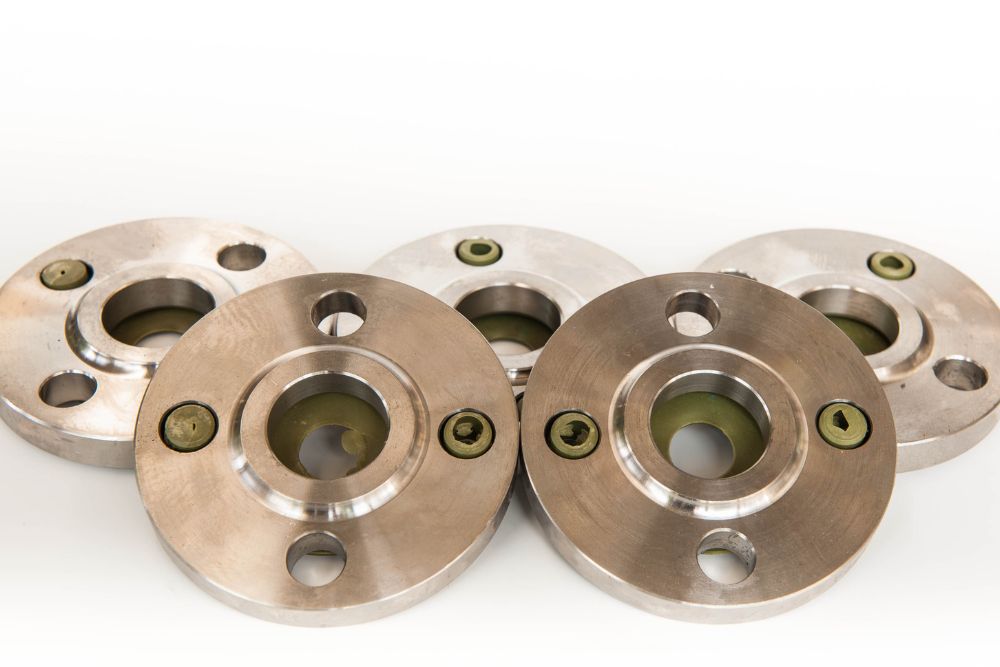
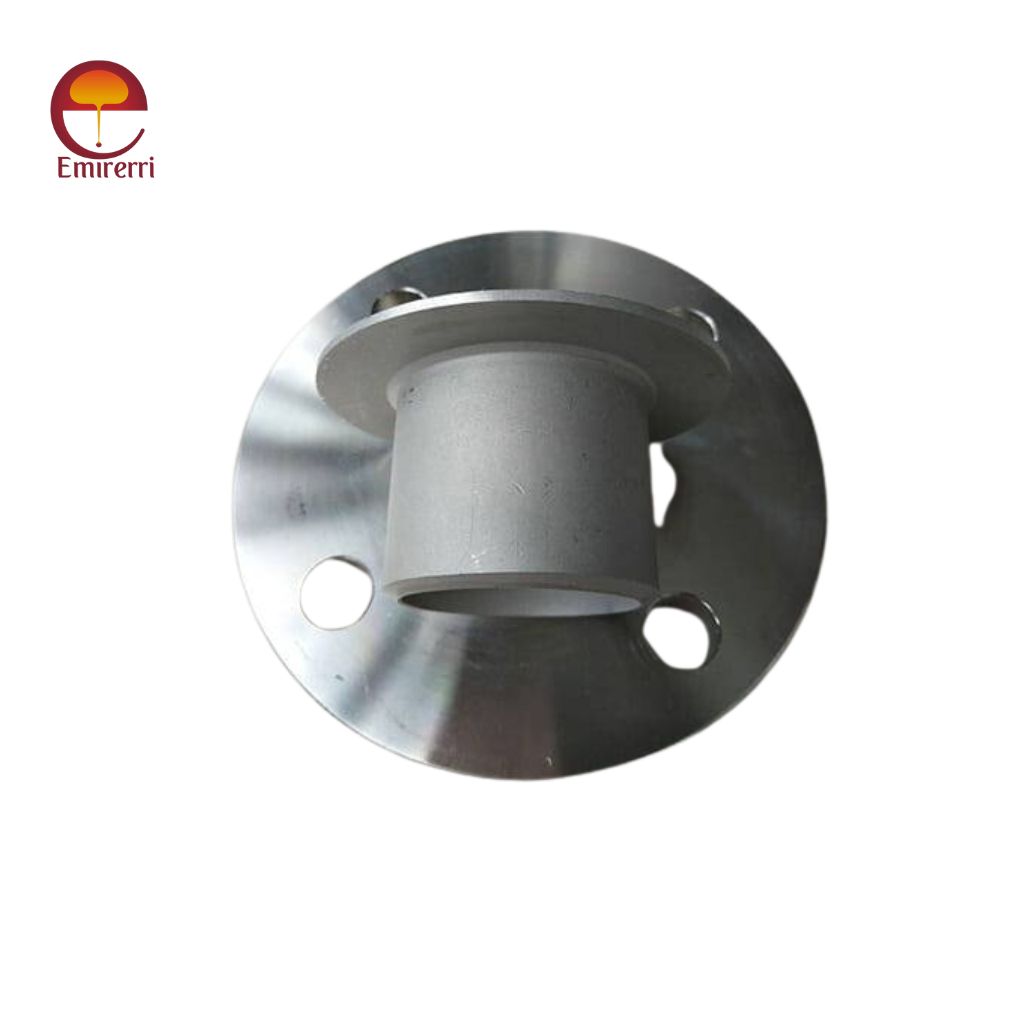
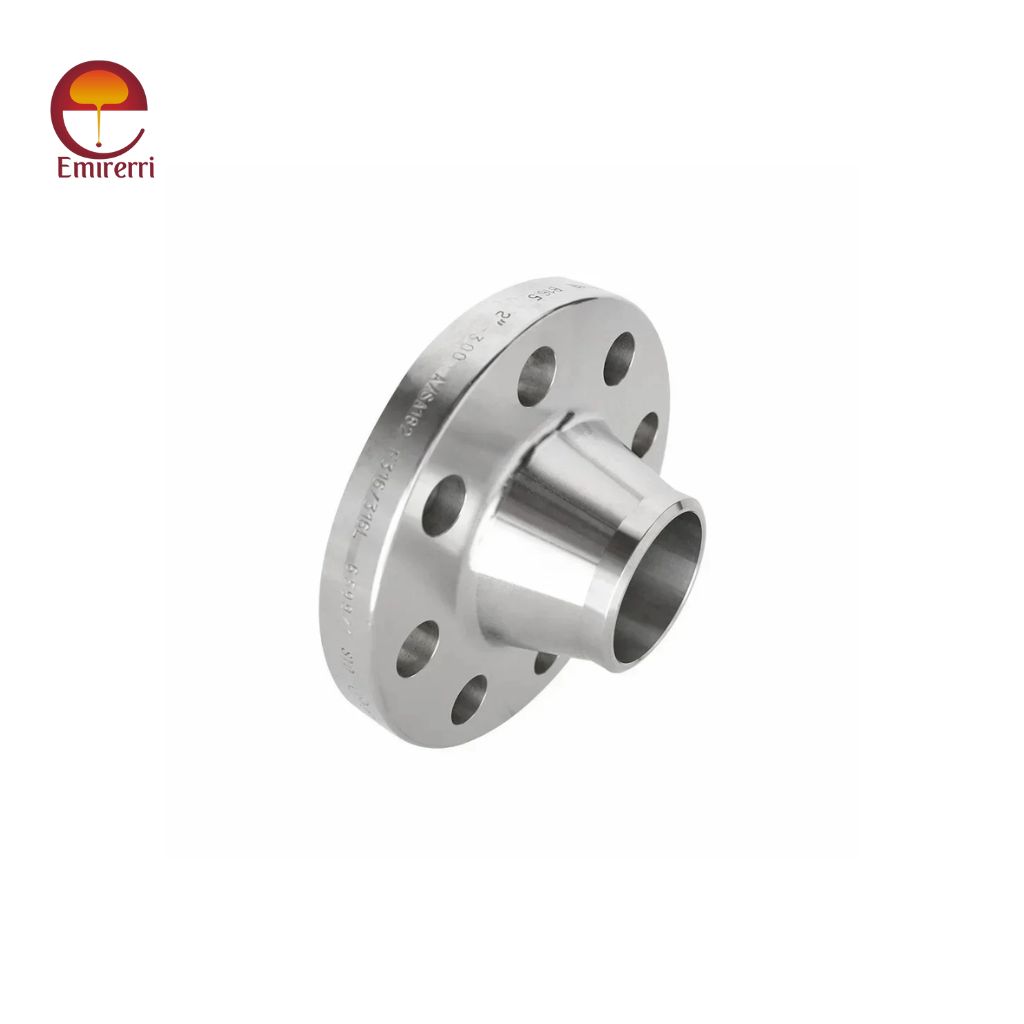
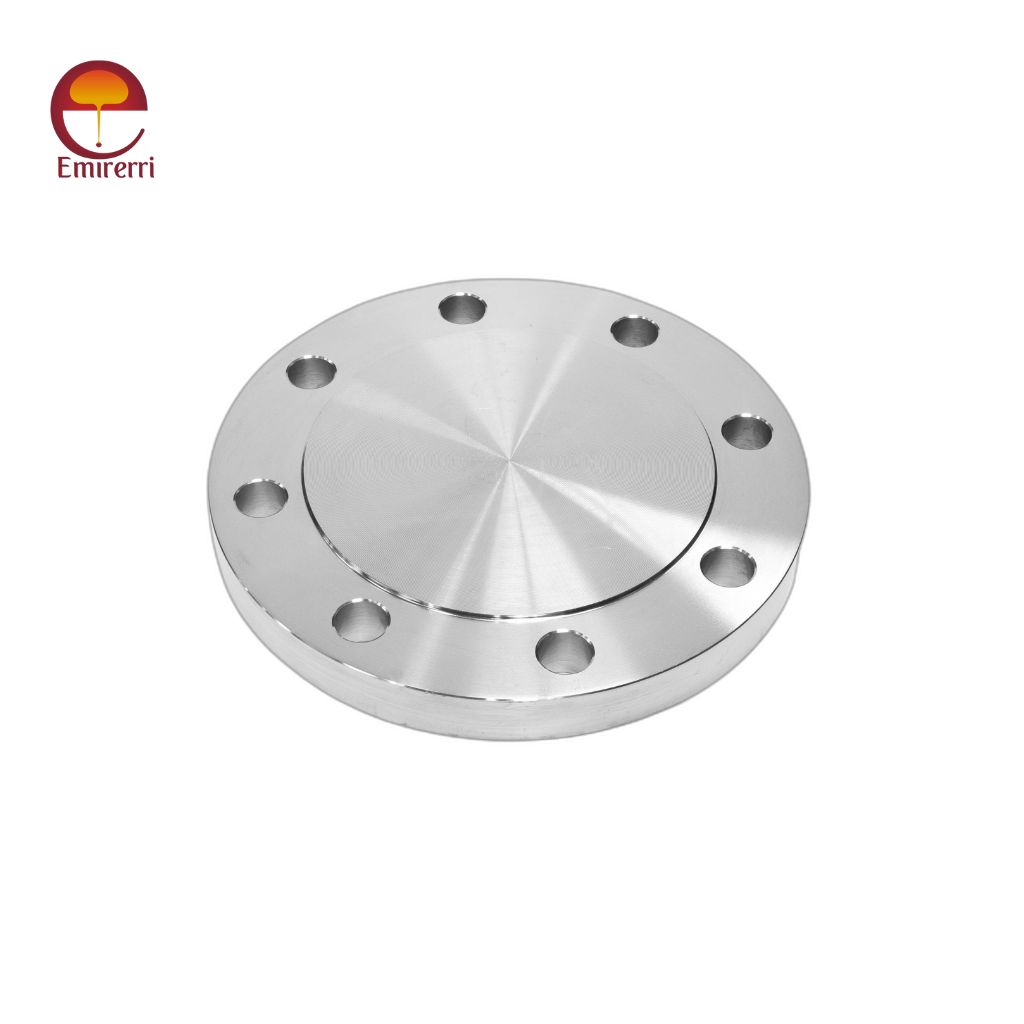
254 SMO Stainless Steel Flanges (UNS S31254) are high-alloy austenitic stainless steel components designed for extreme corrosion resistance in chloride-rich and seawater environments. Known for their exceptional strength, toughness, and stress corrosion cracking resistance, 254 SMO flanges are widely used in chemical processing, offshore, and marine applications.
At Emirerri Steel, we manufacture and supply premium-quality 254 SMO flanges that comply with ASTM A182 / ASME SA182 standards, ensuring unmatched reliability in harsh industrial conditions.
Key Features
Excellent resistance to pitting and crevice corrosion
Superior chloride stress corrosion cracking resistance
High tensile strength and good weldability
Performs exceptionally in acidic and saline environments
Excellent formability and ductility
Low carbon content minimizes carbide precipitation during welding
Outstanding resistance to oxidation and scaling
Stainless Steel Flanges
Type of Flanges 254 SMO Flanges
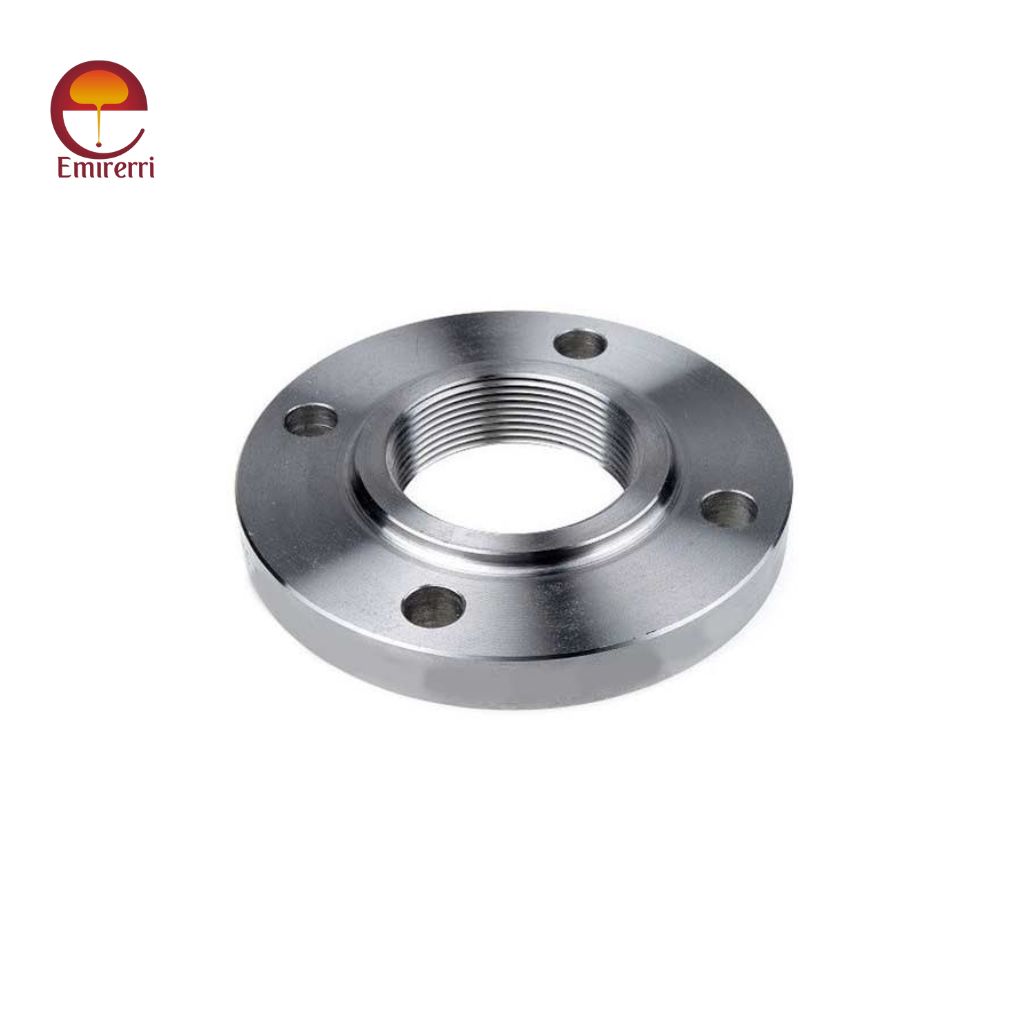
254 SMO Threaded Flanges
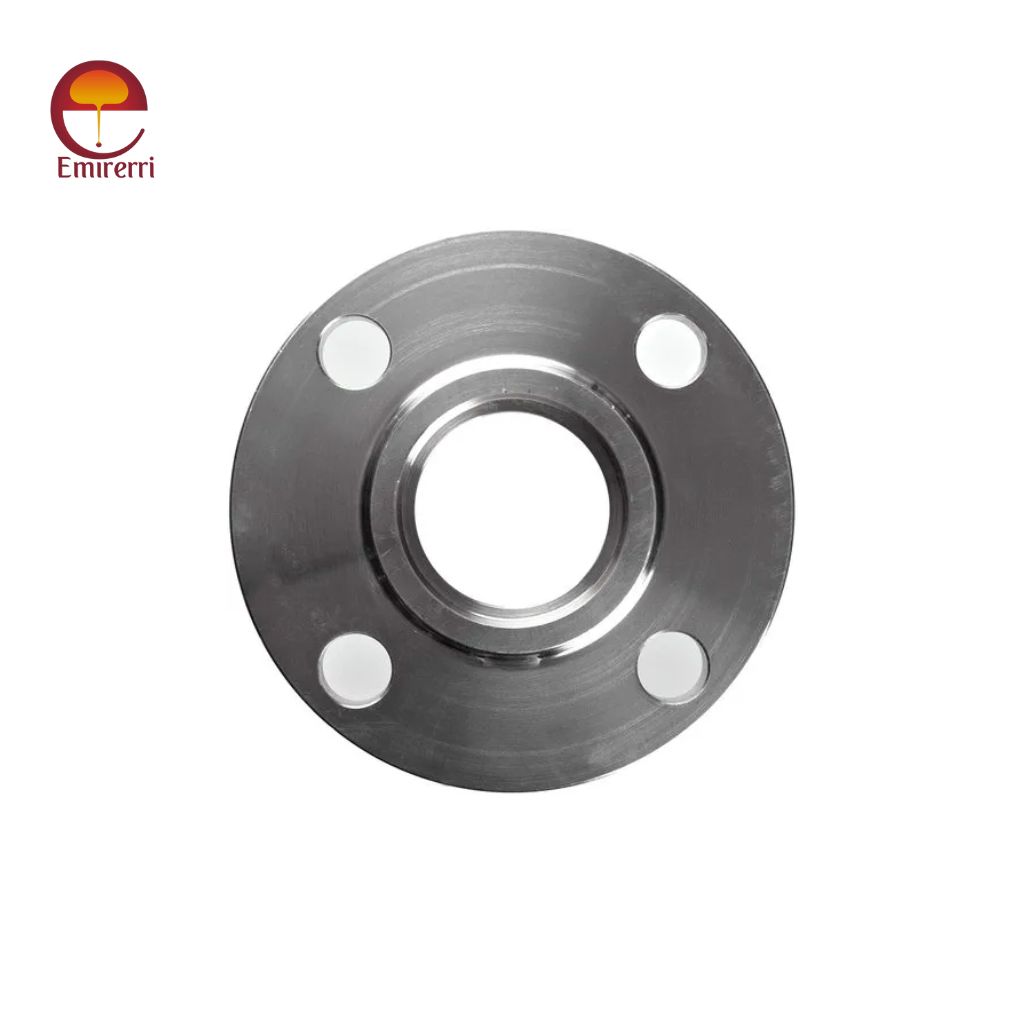
254 SMO Socket-Weld Flanges
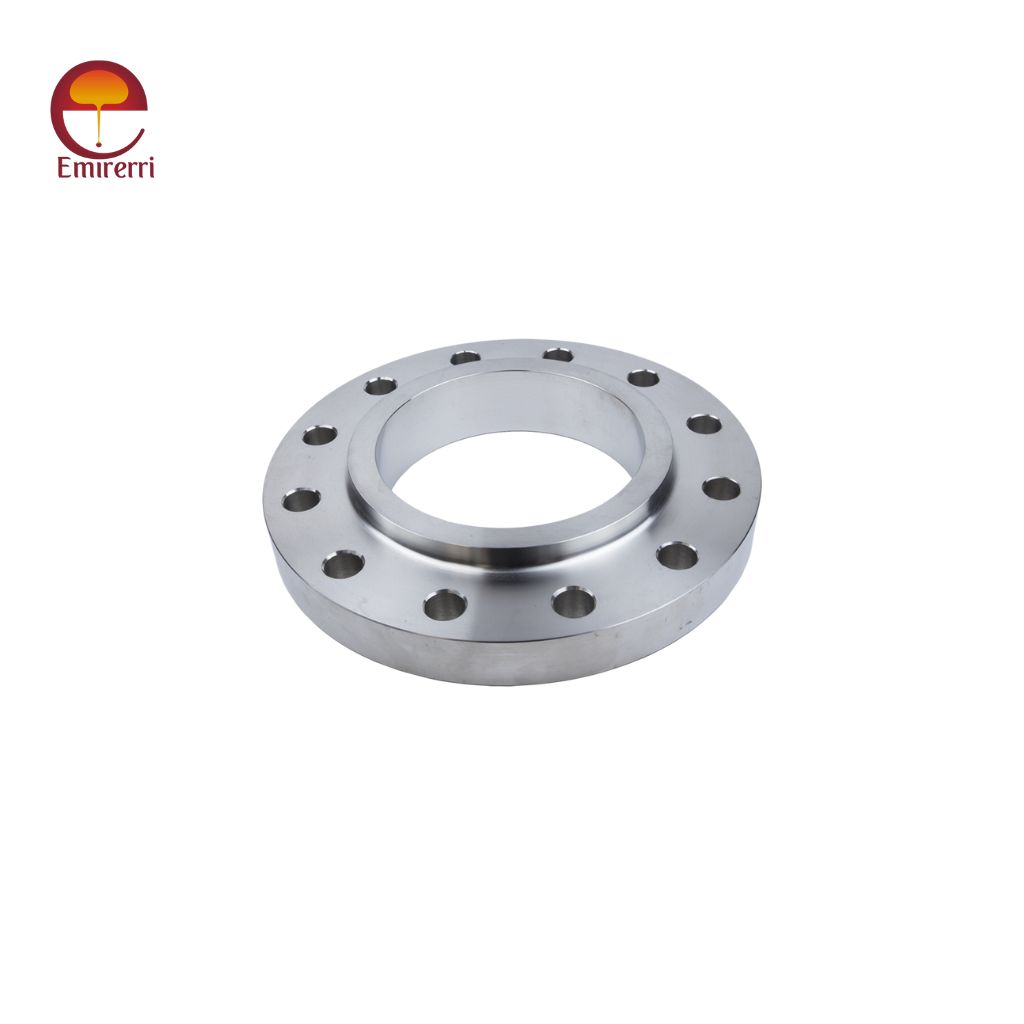
254 SMO Slip On Flange
254 SMO Lap Joint Flanges
254 SMO Weld Neck Flanges
254 SMO Blind Flange
Specification
Specification
Details
Standard
ASTM A182 / ASME SA182
Grade
254 SMO
UNS Number
S31254
EN/DIN
1.4547
Form
Forged / Rolled Flanges
Pressure Class
150#, 300#, 600#, 900#, 1500#, 2500#
Size Range
½” NB to 48” NB
Dimensions
ASME B16.5, B16.47, DIN, EN, JIS, GOST
Manufacturing Process
Forging / CNC Machining / Heat Treated
Surface Finish
Smooth / Serrated / Spiral Serrated
Equivalent Grades
Standard
Equivalent Grade
UNS
S31254
EN
1.4547
AFNOR
Z1 CNDU 20-18-06
BS
254 SMO
JIS
SUS312L
Trade Name
Avesta 254 SMO®, Sandvik 254 SMO®
Available Sizes
Flange Range: ½” NB to 48” NB
Forged Fittings: ⅛” to 4”
Custom Designs: As per drawings or project specifications
Chemical Composition
Element
Percentage (%)
Carbon (C)
0.020 max
Manganese (Mn)
1.00 max
Silicon (Si)
0.80 max
Phosphorus (P)
0.030 max
Sulfur (S)
0.010 max
Chromium (Cr)
19.50 – 20.50
Nickel (Ni)
17.50 – 18.50
Molybdenum (Mo)
6.00 – 6.50
Nitrogen (N)
0.18 – 0.22
Iron (Fe)
Balance
Mechanical Properties
Property
Unit
Value
Tensile Strength
MPa
650 min
Yield Strength (0.2% Proof)
MPa
300 min
Elongation
%
35 min
Hardness (Brinell)
HB
270 max
Impact Toughness
J
100 (typical)
Physical Properties
Property
Unit
Value
Density
g/cm³
8.0
Melting Point
°C
1320 – 1390
Thermal Conductivity
W/m·K
14.0 at 20°C
Electrical Resistivity
µΩ·m
0.95
Modulus of Elasticity
GPa
195
Specific Heat
J/kg·K
500
Corrosion Resistance
254 SMO stainless steel is specifically engineered for severe chloride environments. It provides:
Excellent pitting and crevice corrosion resistance, with a PREN > 42
Superior performance in seawater, brackish water, and acidic chloride solutions
Excellent resistance to stress corrosion cracking and sulphide stress corrosion This makes it ideal for offshore platforms, desalination plants, and chemical industries.
Heat Resistance
254 SMO offers good oxidation resistance up to 1100°F (600°C). Continuous exposure above this temperature is not recommended due to potential phase precipitation, but it performs well in intermittent high-temperature conditions.
Heat Treatment
Solution Annealing: 1150 – 1200°C followed by rapid water quenching
This restores corrosion resistance and mechanical properties after fabrication.
No further hardening occurs through heat treatment; however, cold working increases strength.
Welding
254 SMO can be welded using conventional methods like TIG, MIG, and SMAW.
Recommended Filler Metals: ERNiCrMo-3 (Alloy 625) or ERNiCrMo-4
Preheating: Not required
Post-Weld Heat Treatment: Not necessary, but solution annealing may be performed for maximum corrosion resistance
Welds exhibit excellent toughness and corrosion resistance, provided low heat input and interpass temperatures are maintained.
Fabrication
254 SMO can be cold-formed and hot-formed using standard stainless steel techniques.
Hot Forming Temperature: 1150°C to 950°C
Forging: Followed by rapid cooling or quenching
Machinability: Slightly lower than austenitic grades like 316L due to high strength and work hardening rate. Proper lubrication and slow feeds enhance machinability.
Applications
Desalination Plants (Evaporators, Pumps, and Flanges)