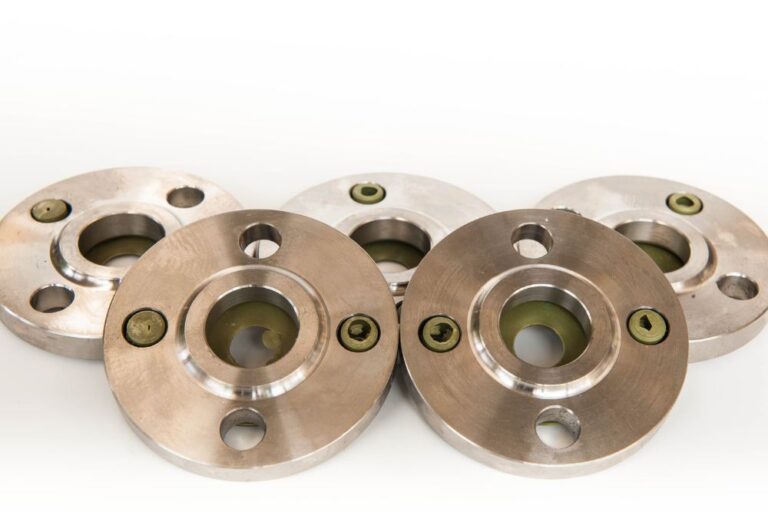
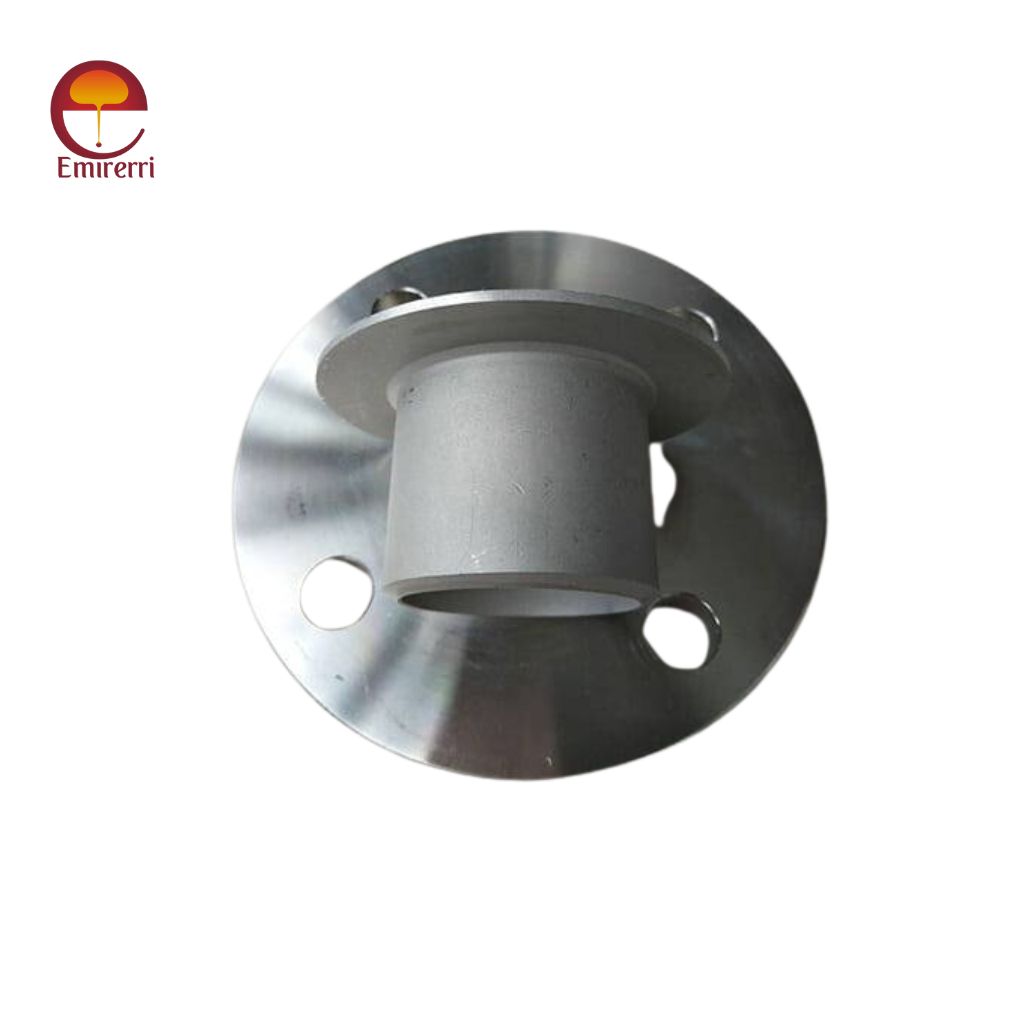
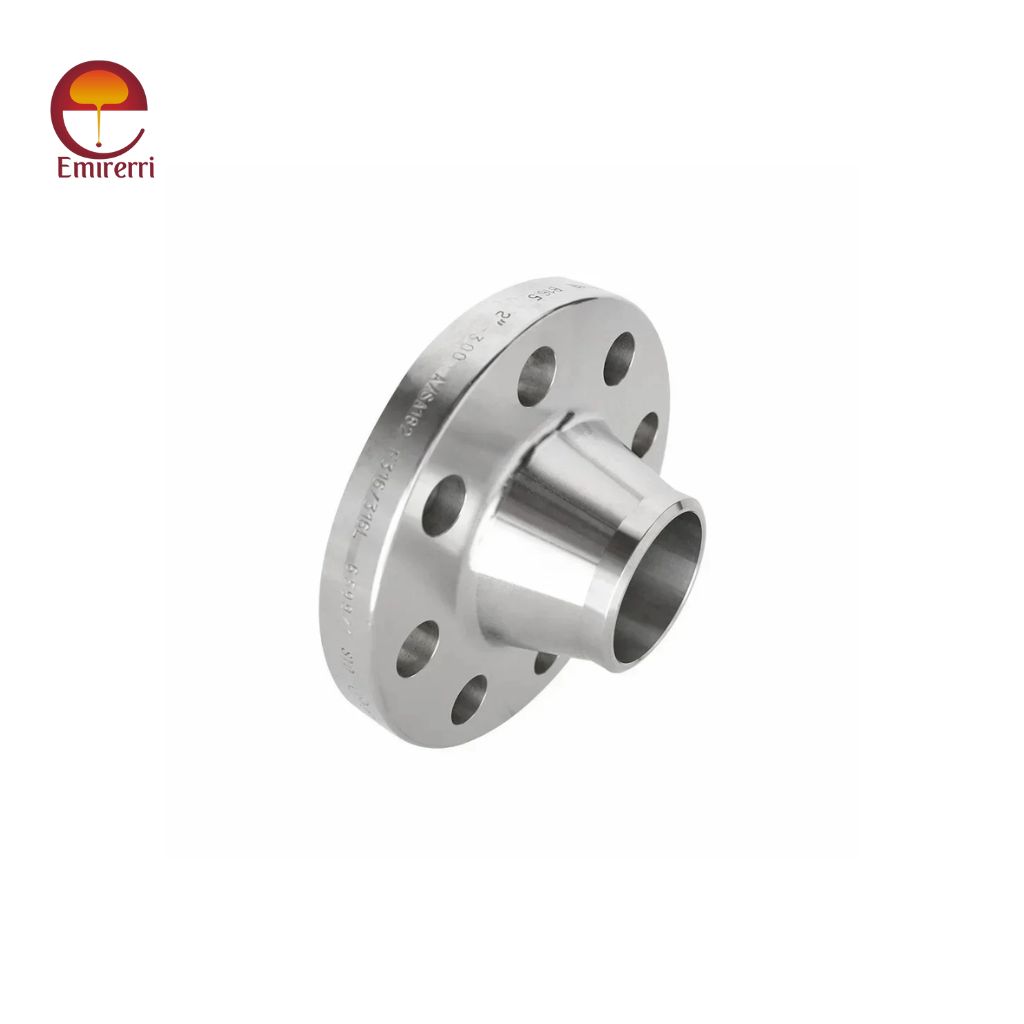
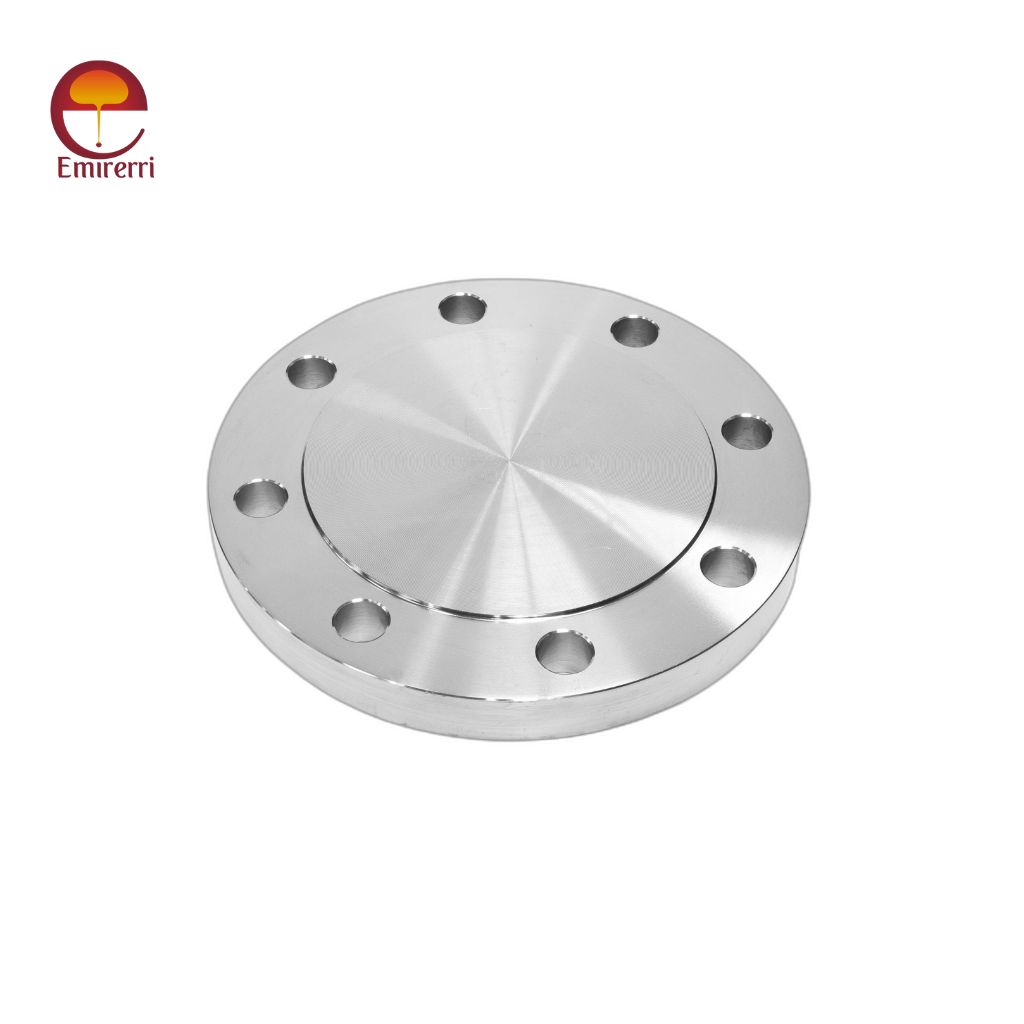
Alloy 20 Flanges are made from a nickel-iron-chromium austenitic alloy designed to offer excellent resistance to sulfuric acid and chloride stress corrosion cracking. Known for its superior mechanical properties and corrosion resistance, Alloy 20 (also known as Carpenter 20) is widely used in chemical processing, petrochemical, and marine environments.
At Emirerri Steel, we manufacture and supply high-quality Alloy 20 flanges that meet ASTM B462 / ASME SB462 standards. Our flanges are engineered for exceptional durability, weldability, and resistance to acidic conditions, making them suitable for severe industrial applications.
Key Features
Excellent resistance to sulfuric acid and phosphoric acid
Superior pitting and crevice corrosion resistance
High mechanical strength and toughness
Excellent fabrication and weldability characteristics
Stabilized with columbium (niobium) to prevent carbide precipitation
Stainless Steel Flanges
Type of Flanges Alloy 20 Flanges
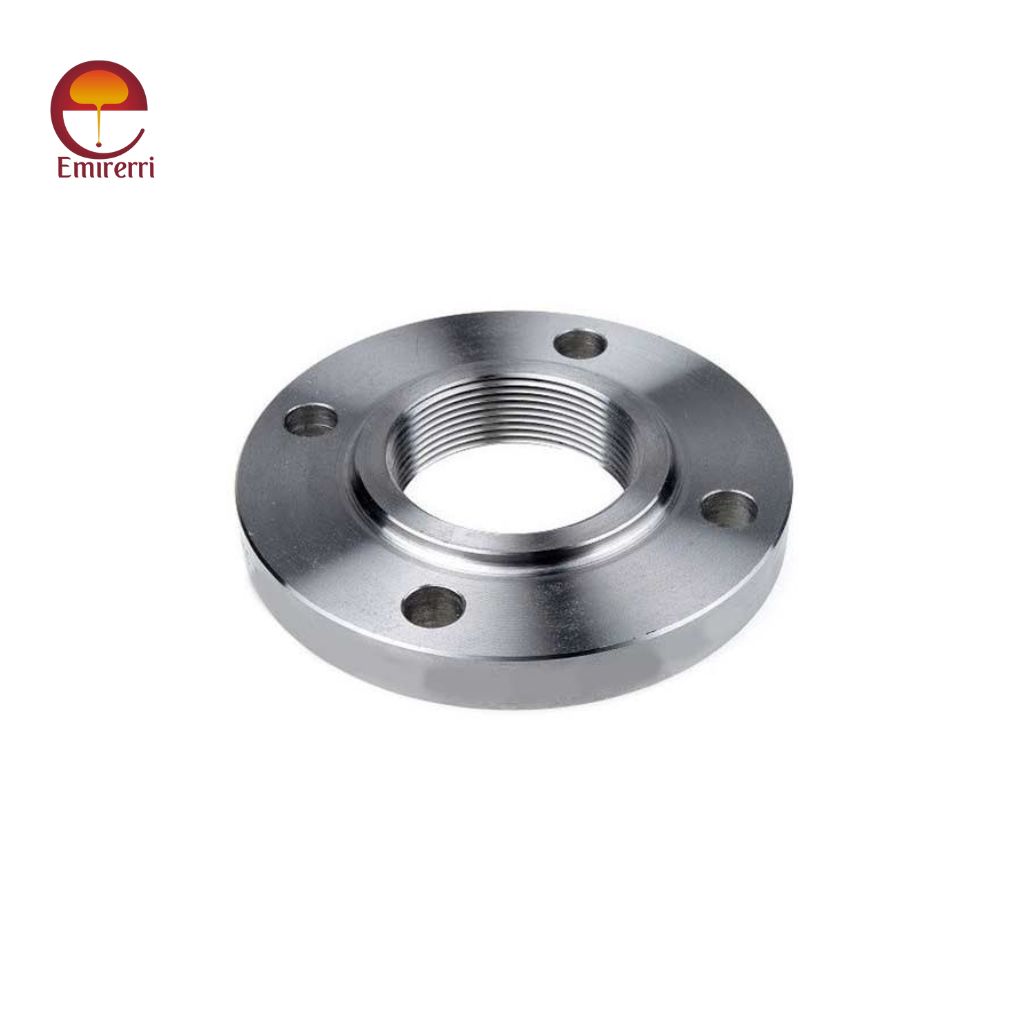
Alloy 20 Threaded Flanges
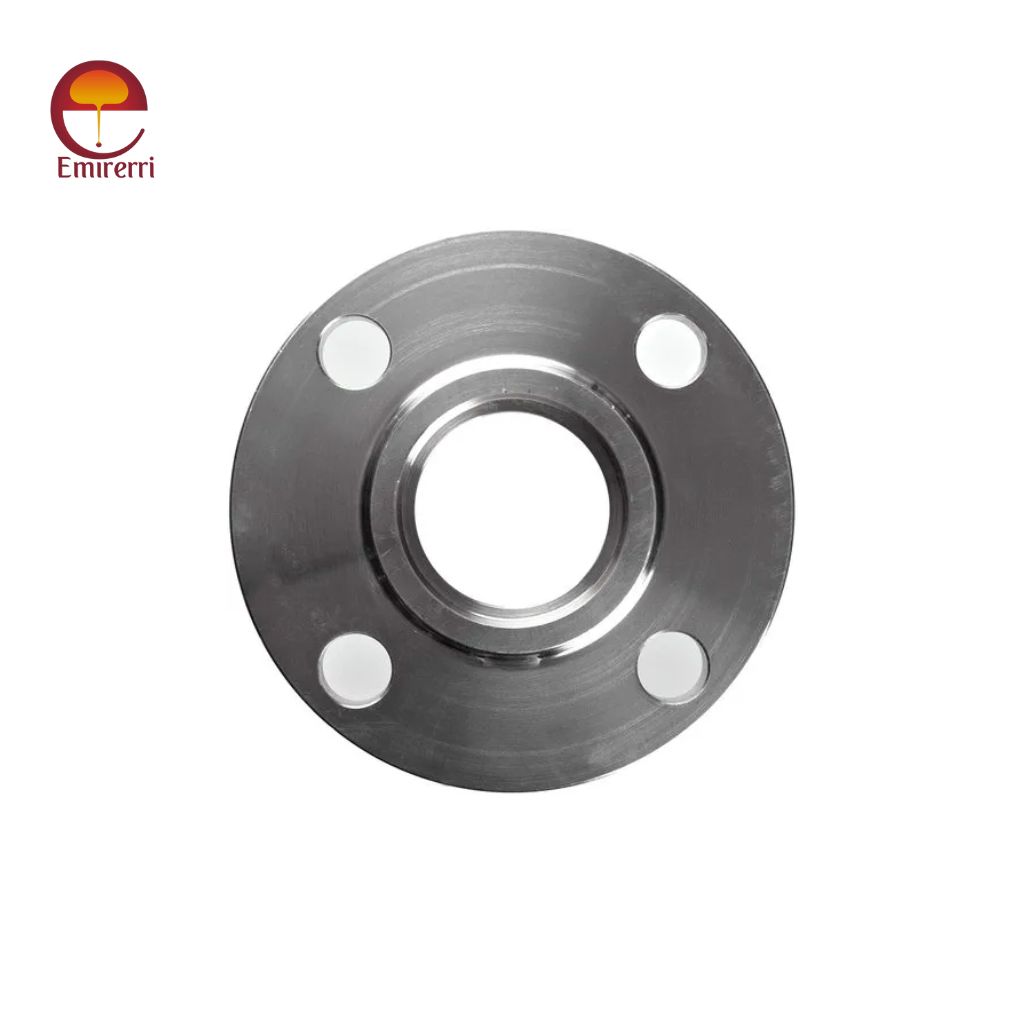
Alloy 20 Socket-Weld Flanges
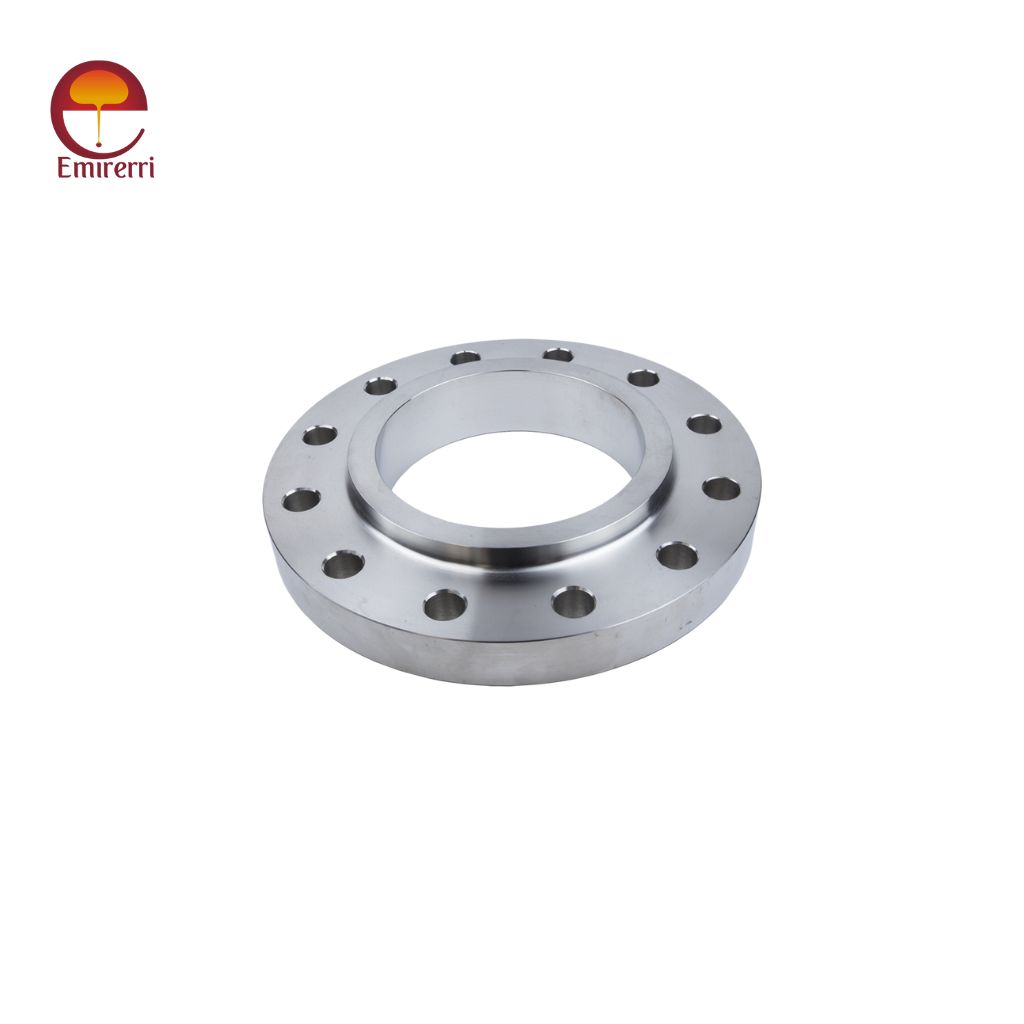
Alloy 20 Slip On Flange
Alloy 20 Lap Joint Flanges
Alloy 20 Weld Neck Flanges
Alloy 20 Blind Flange
Specification
Specification
Details
Standard
ASTM B462 / ASME SB462
Grade
Alloy 20
UNS Number
N08020
Werkstoff Nr.
2.4660
Material Type
Nickel-Iron-Chromium Alloy
Manufacturing Process
Forged / Rolled / Heat Treated
Pressure Class
150#, 300#, 600#, 900#, 1500#, 2500#
Size Range
½” NB to 48” NB
Dimensions
ASME B16.5, B16.47, DIN, EN, JIS, GOST
Surface Finish
Smooth / Serrated / Spiral Serrated
Equivalent Grades
Standard
Equivalent Grade
UNS
N08020
Werkstoff Nr.
2.4660
EN
NiCr20CuMo
BS
NA 45
AFNOR
Z2NCUD31-20AZ
Trade Names
Carpenter® 20, Alloy 20Cb-3®, Incoloy® 20
Available Sizes
Flanges: ½” NB to 48” NB
Forged Fittings: ⅛” to 4”
Custom sizes available upon request
Chemical Composition
Element
Percentage (%)
Carbon (C)
0.07 max
Manganese (Mn)
2.00 max
Silicon (Si)
1.00 max
Phosphorus (P)
0.045 max
Sulfur (S)
0.035 max
Chromium (Cr)
19.00 – 21.00
Nickel (Ni)
32.00 – 38.00
Molybdenum (Mo)
2.00 – 3.00
Copper (Cu)
3.00 – 4.00
Columbium + Tantalum (Cb + Ta)
8xC min, 1.00 max
Iron (Fe)
Balance
Mechanical Properties
Property
Unit
Value
Tensile Strength
MPa
551 min
Yield Strength (0.2% Proof)
MPa
241 min
Elongation
%
30 min
Hardness (Brinell)
HB
217 max
Impact Toughness
J
100 (typical)
Physical Properties
Property
Unit
Value
Density
g/cm³
8.08
Melting Point
°C
1357 – 1430
Thermal Conductivity
W/m·K
11.0 at 20°C
Electrical Resistivity
µΩ·m
1.03
Modulus of Elasticity
GPa
195
Specific Heat
J/kg·K
460
Types of Alloy 20 Flanges
Weld Neck Flanges
Slip-On Flanges
Blind Flanges
Socket Weld Flanges
Threaded Flanges
Lap Joint Flanges
Orifice Flanges
Reducing Flanges
Spectacle Blind Flanges
Long Weld Neck Flanges
Corrosion Resistance
Alloy 20 flanges exhibit outstanding resistance to sulfuric acid, nitric acid, and chloride-induced corrosion. The presence of nickel and molybdenum ensures strong pitting and crevice corrosion resistance, while copper enhances protection against sulfuric and phosphoric acid. The alloy is particularly suited for chemical process environments involving acids and alkalis.
Heat Resistance
Alloy 20 provides good oxidation resistance up to 1000°F (540°C). It maintains structural integrity in moderate heat applications, but prolonged exposure above this temperature is not recommended due to possible phase changes that can affect corrosion resistance.
Heat Treatment
Annealing Temperature: 1725 – 1850°F (940 – 1010°C), followed by rapid water quenching
This treatment optimizes corrosion resistance and ductility.
Hardening: Alloy 20 cannot be hardened by heat treatment; it can only be strengthened through cold working.
Welding
Alloy 20 can be readily welded using GTAW (TIG), GMAW (MIG), or SMAW (Stick) methods.
Recommended Filler Metals: ER320LR or E320LR
Preheating: Not required
Post-Weld Heat Treatment: Optional, but solution annealing may improve corrosion resistance Proper welding procedures minimize the risk of carbide precipitation and intergranular corrosion.
Fabrication
Alloy 20 offers excellent formability, machinability, and forgeability.
Hot Working Range: 2100 – 2250°F (1150 – 1230°C)
Cold Working: Improves strength and surface finish.
Forging: Followed by annealing and water quenching for optimum corrosion resistance. It can be easily machined and formed, though work hardening rates are higher than conventional austenitic stainless steels.
Applications
Sulfuric and Phosphoric Acid Processing Equipment
Chemical and Petrochemical Plants
Food and Pharmaceutical Industry
Heat Exchangers and Condensers
Marine and Offshore Systems
Storage Tanks and Piping Systems
Pumps, Valves, and Flanges in Acid Service
Desalination Equipment and Pollution Control Systems