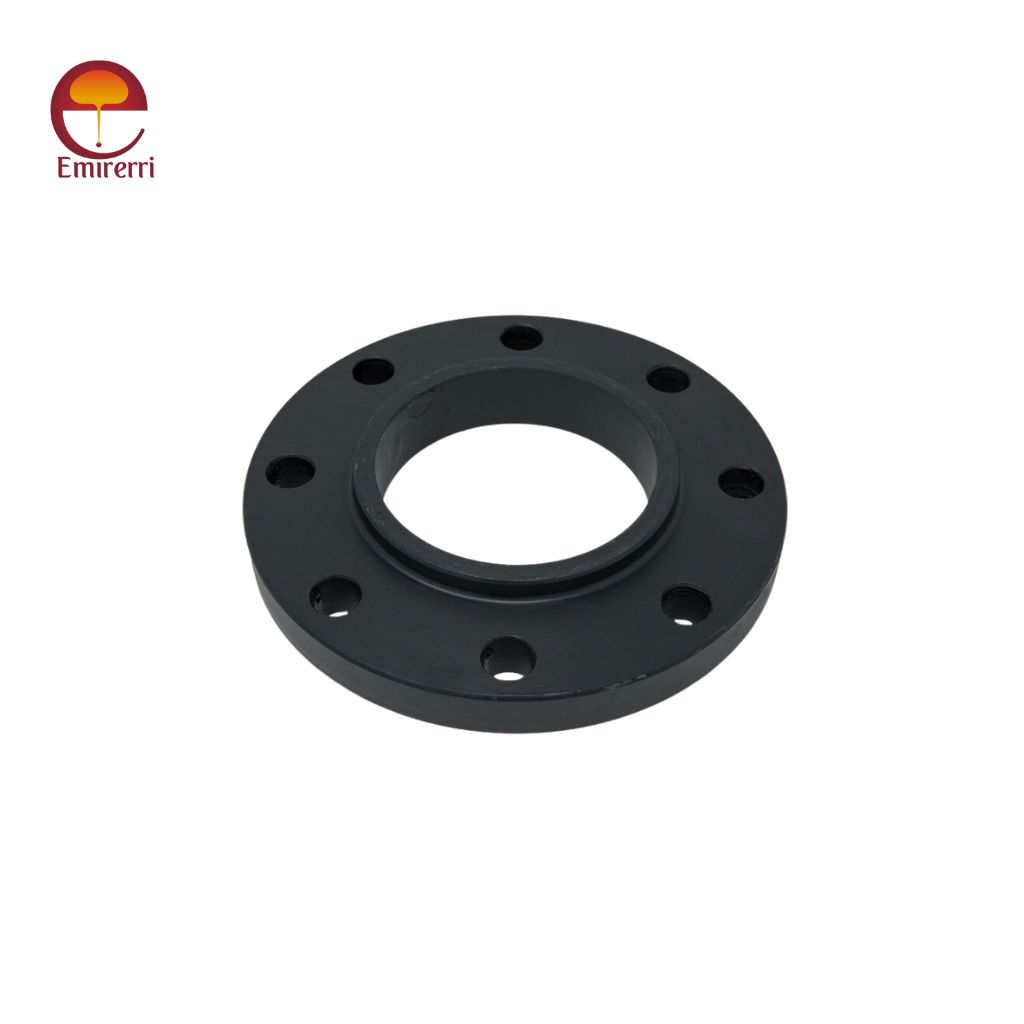
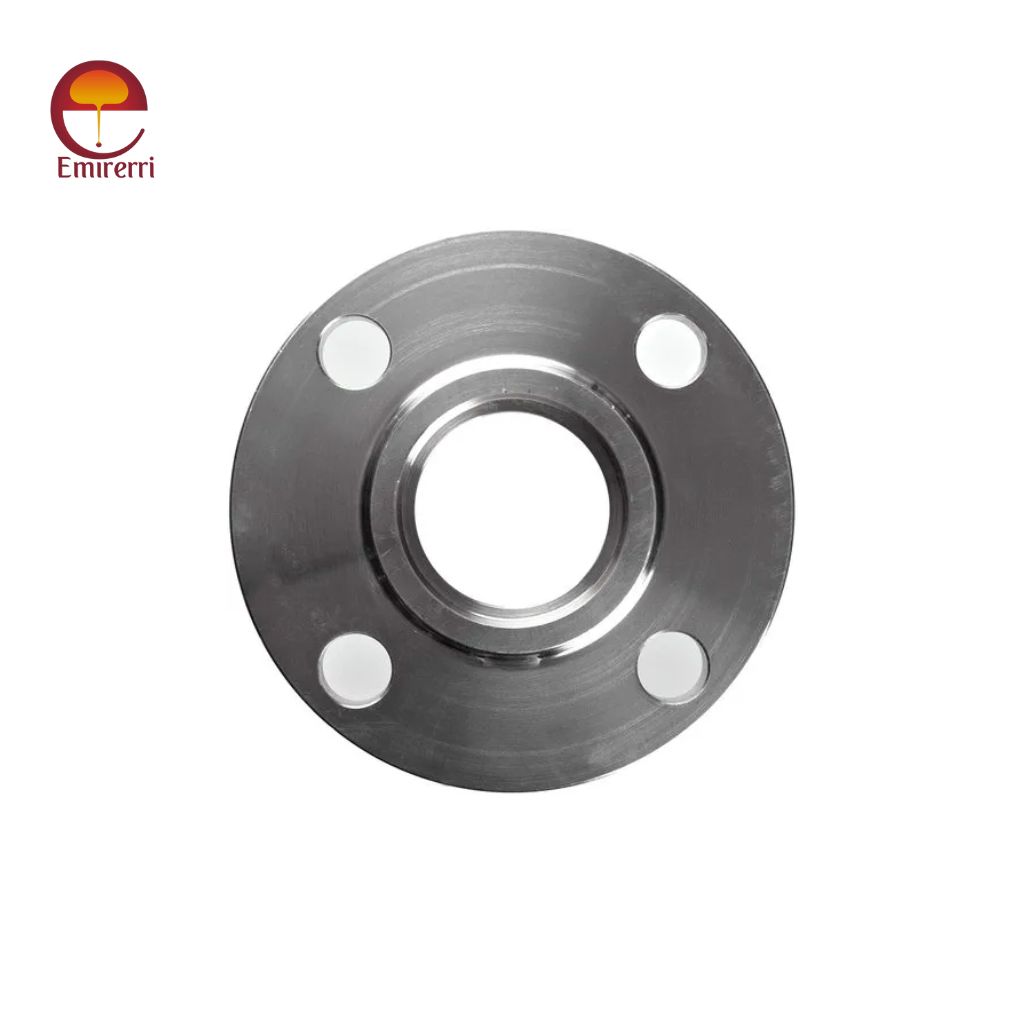
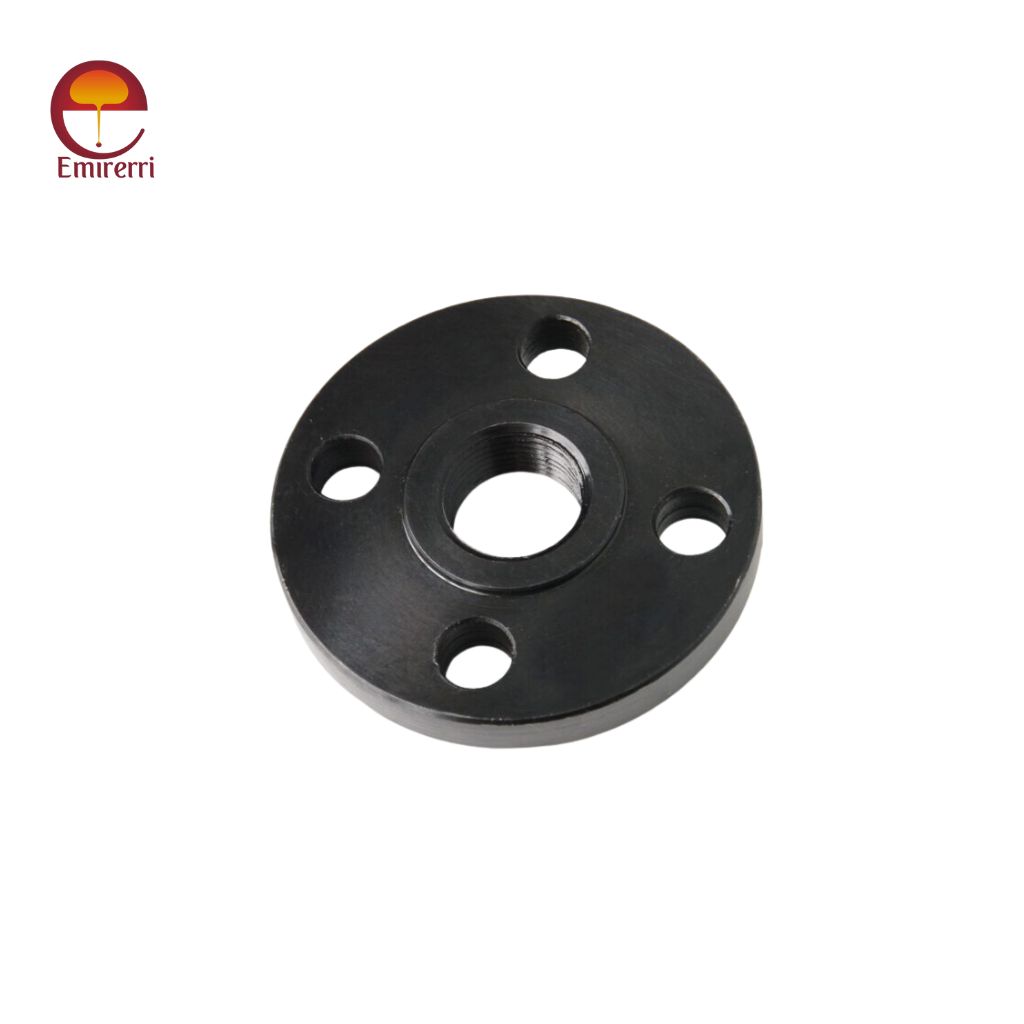
ASTM A350 LF787 is a low-temperature carbon/low-alloy steel grade under the broader ASTM A350/ A350M standard, specifically engineered for forged or ring-rolled flanges, fittings, valves and other pressure-service components in low-temperature environments. The LF787 grade provides enhanced toughness at sub-zero temperatures and is available in specific classes (Class 2 and Class 3) with defined mechanical requirements. At Emirerri Steel, we supply LF787 in flanges, fittings, valves and forgings conforming to global standards, with special attention to low-temperature performance, full traceability and quality certification.
Key Features
Excellent impact toughness in low-temperature and cryogenic environments.
High tensile strength and ductility for pressure service applications.
Available in normalized and precipitation heat-treated or quenched and precipitation heat-treated conditions.
Fully killed and fine-grain steel ensuring high toughness and strength.
Suitable for oil, gas, petrochemical, LNG, and cold service industries.
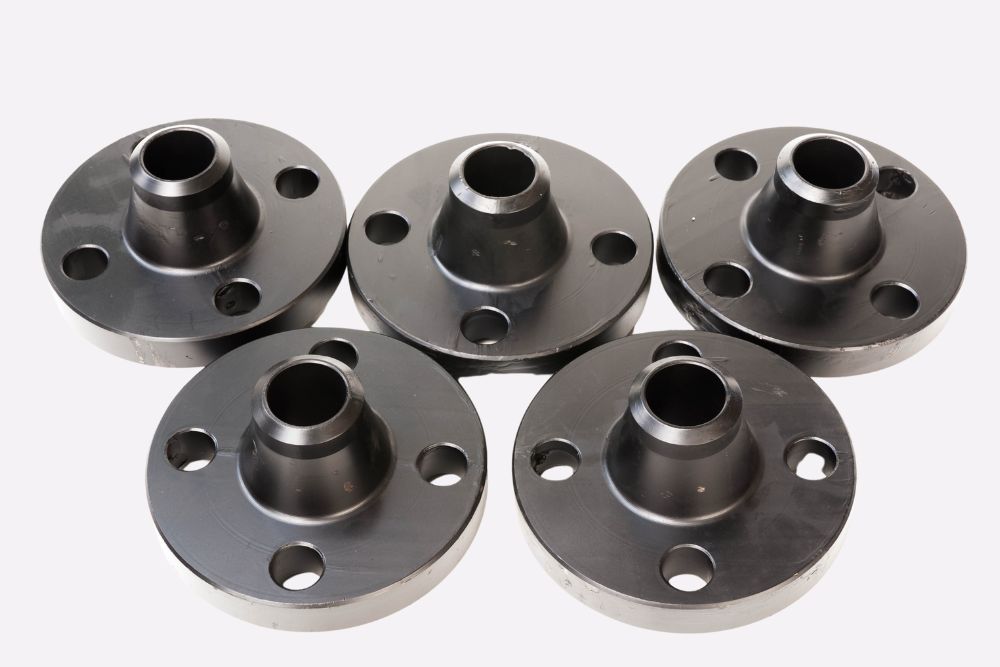
ASTM A350 LF787 Flange
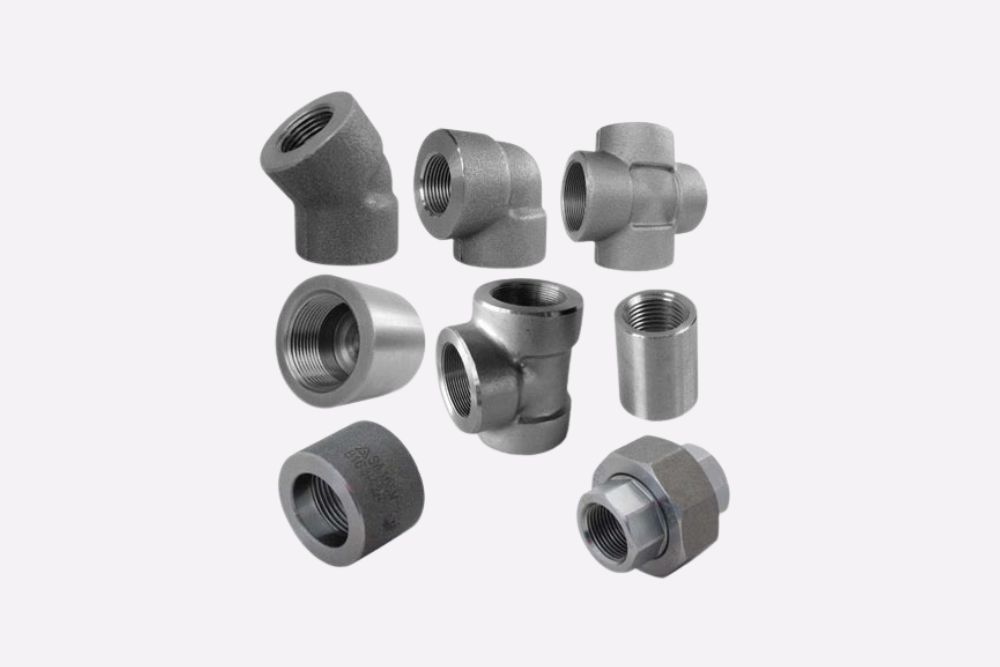
ASTM A350 LF787 Fittings
ASTM A350 LF787 Round Bar
Specification
Standard
ASTM A350 / ASME SA350
Grade
LF787
Class
Class 2 & Class 3
Product Form
Forged flanges, fittings, valves, and other pressure parts
Forged or ring-rolled, fully killed, fine grain practice
Service Condition
Low-temperature and cryogenic service
Equivalent Grades
ASTM/ASME: A350/SA350 Grade LF787
Custom proprietary equivalents available as per manufacturer specifications
Available Sizes & Forms
Flanges: ½” NB to 48” NB
Forged Fittings: ½” NB to 4” NB
Valves and Custom Forgings: As per project requirements
Available in standard and custom dimensions as per ASME/ANSI/EN/DIN standards
Chemical Composition
Element
% (Approximate)
Carbon (C)
0.07 max
Manganese (Mn)
0.40 – 0.70
Phosphorus (P)
0.025 max
Sulfur (S)
0.025 max
Silicon (Si)
0.40 max
Nickel (Ni)
0.70 – 1.00
Chromium (Cr)
0.60 – 0.90
Molybdenum (Mo)
0.15 – 0.25
Copper (Cu)
1.00 – 1.30
Mechanical Properties
Class
Tensile Strength (MPa)
Yield Strength (MPa)
Elongation (%)
Hardness (HB)
Class 2
450 – 585
380
20
197 max
Class 3
515 – 655
450
20
197 max
Impact test: Minimum 20 J (average of three specimens) at specified sub-zero temperature.
Physical Properties
Density: 7.85 g/cm³
Modulus of Elasticity: 200–210 GPa
Thermal Conductivity: 40–45 W/m·K
Specific Heat Capacity: 460–500 J/kg·K
Type of ASTM A350 LF787 Flanges
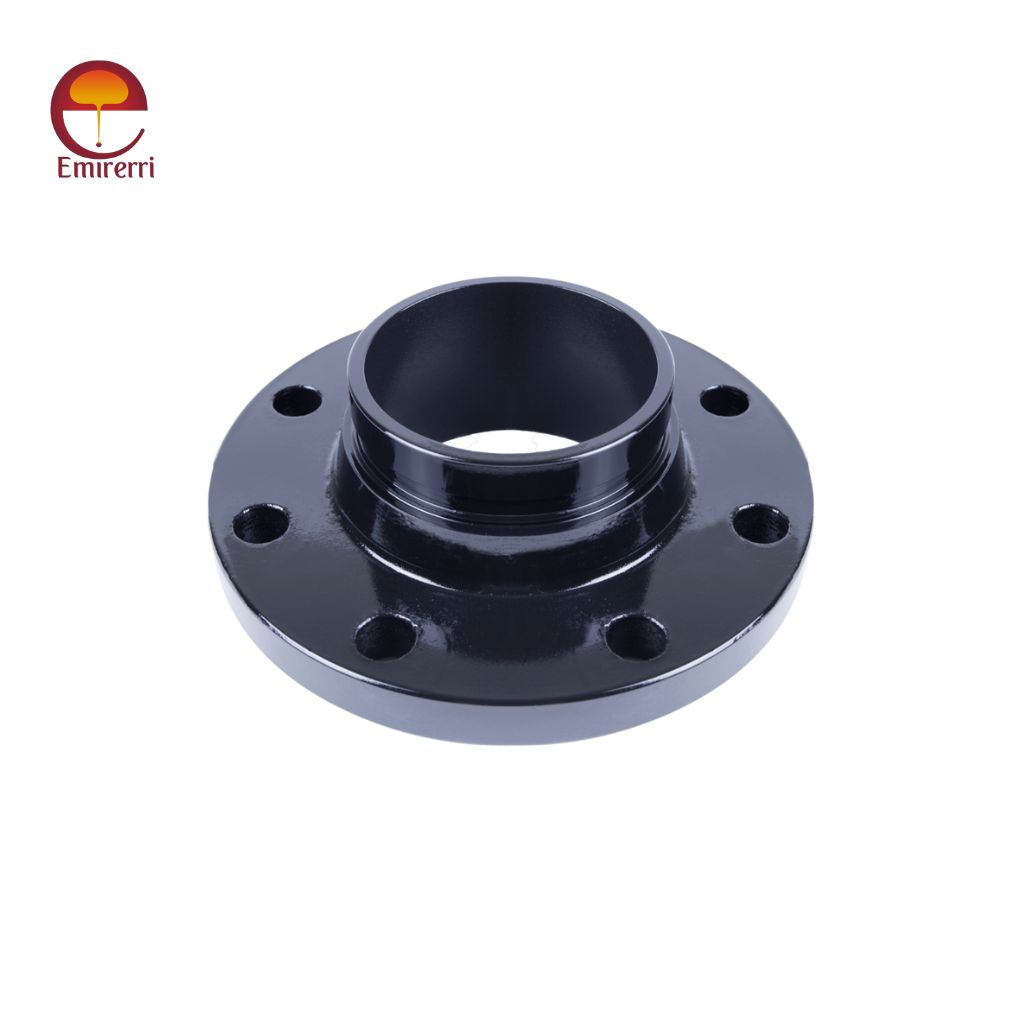
ASTM A350 LF787 Weld Neck Flanges
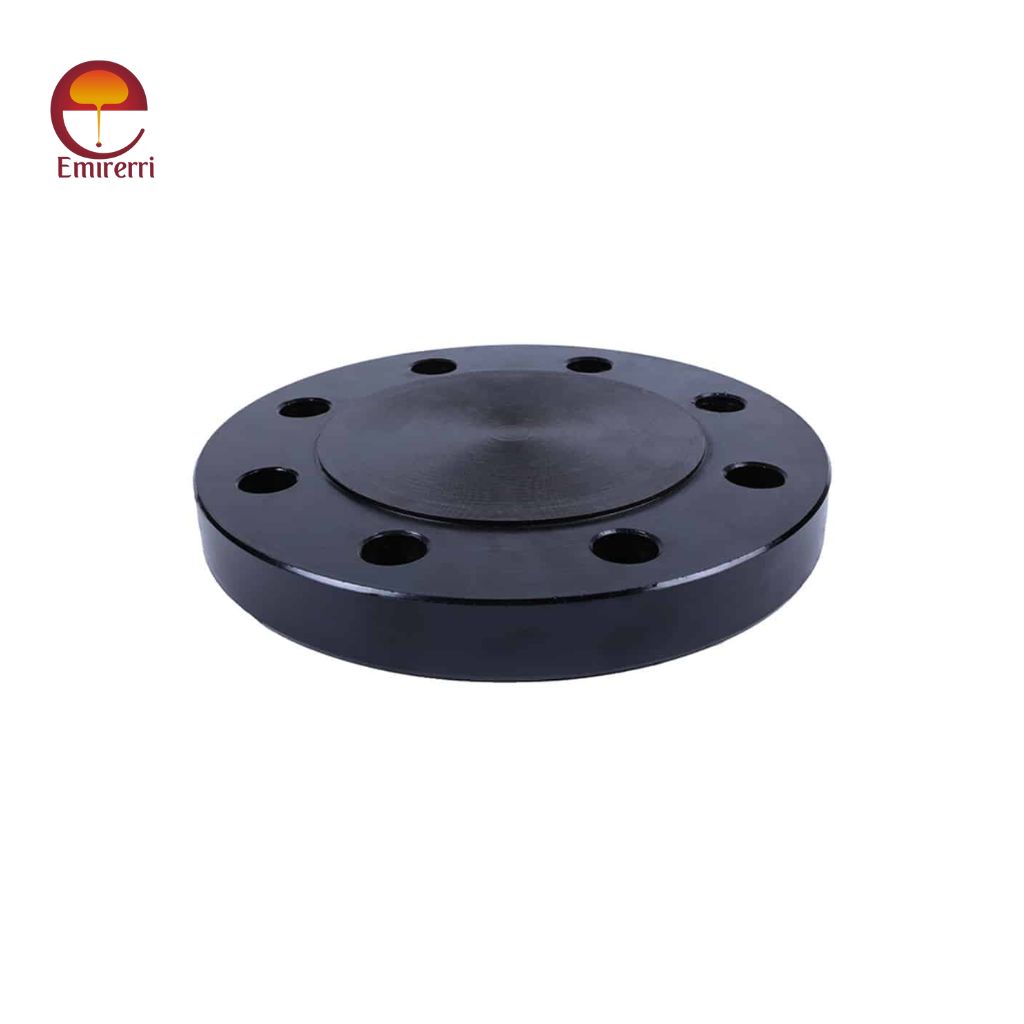
ASTM A350 LF787 Blind Flanges
ASTM A350 LF787 Slip-On Flanges
ASTM A350 LF787 Socket Weld Flanges
ASTM A350 LF787 Threaded Flanges
Corrosion Resistance
ASTM A350 LF787 offers moderate corrosion resistance in atmospheric and mild industrial conditions. Its alloying elements provide improved protection compared to plain carbon steel. For aggressive or marine environments, protective coatings, painting, or galvanizing are recommended to extend service life.
Heat Resistance
Although designed for low-temperature service, LF787 maintains good mechanical strength across a broad temperature range. It is not recommended for prolonged high-temperature exposure and should be used within its rated service limits.
Heat Treatment
ASTM A350 LF787 forgings are supplied in:
Normalized and Precipitation Heat-Treated Condition, or
Quenched and Precipitation Heat-Treated Condition (for Class 3).
This process refines grain structure and ensures high impact toughness at low temperatures.
Welding
ASTM A350 LF787 can be welded using standard procedures for low-alloy steels.
Pre-heating may be necessary depending on section thickness.
Post-weld heat treatment (PWHT) may be applied to restore toughness.
Proper selection of filler material ensures mechanical compatibility and strength retention.
Fabrication
LF787 forgings are easily machinable, formable, and forgeable.
Suitable for precision machining and finishing.
Complies with dimensional accuracy and surface finish standards.