ASTM A181 Class 60 is a specification that covers carbon steel forgings designed for high-temperature and pressure applications such as in valves, flanges, fittings, and other pressure-containing components. Known for its excellent strength, ductility, and toughness, ASTM A181 Cl 60 offers a balanced combination of mechanical and physical properties that make it ideal for general-purpose industrial use.
This material provides superior machinability, weldability, and formability, ensuring reliable performance under demanding conditions. It is widely utilized in power generation, oil & gas, petrochemical, and process industries.
Key Features
High tensile and yield strength for heavy-duty applications
Excellent weldability and machinability
Suitable for moderate to high-temperature service
Consistent microstructure and dimensional stability
Good toughness and ductility under varying temperatures
Cost-effective material for forged components
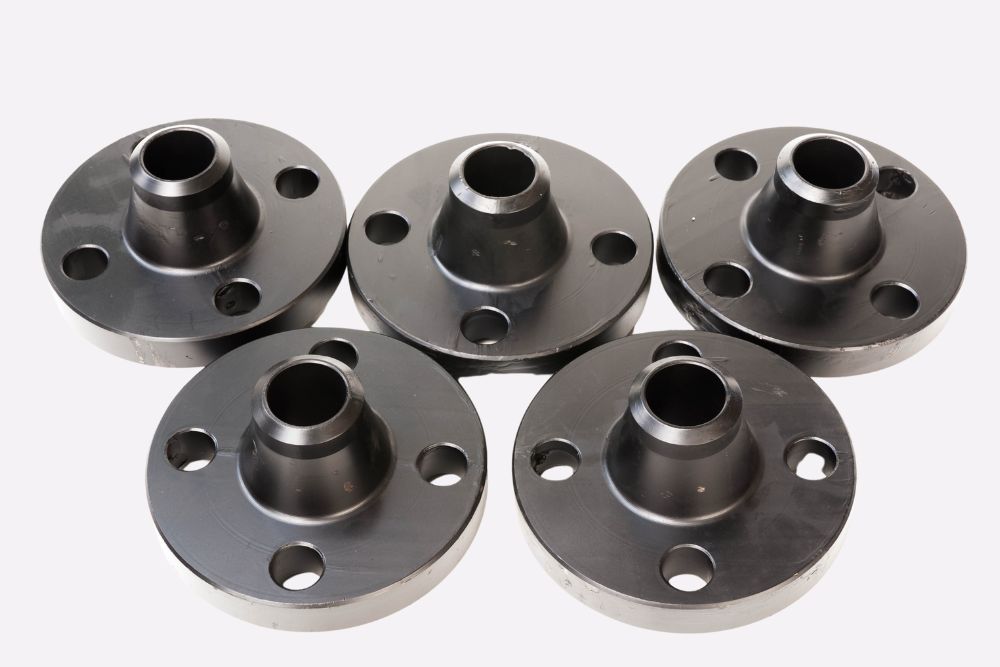
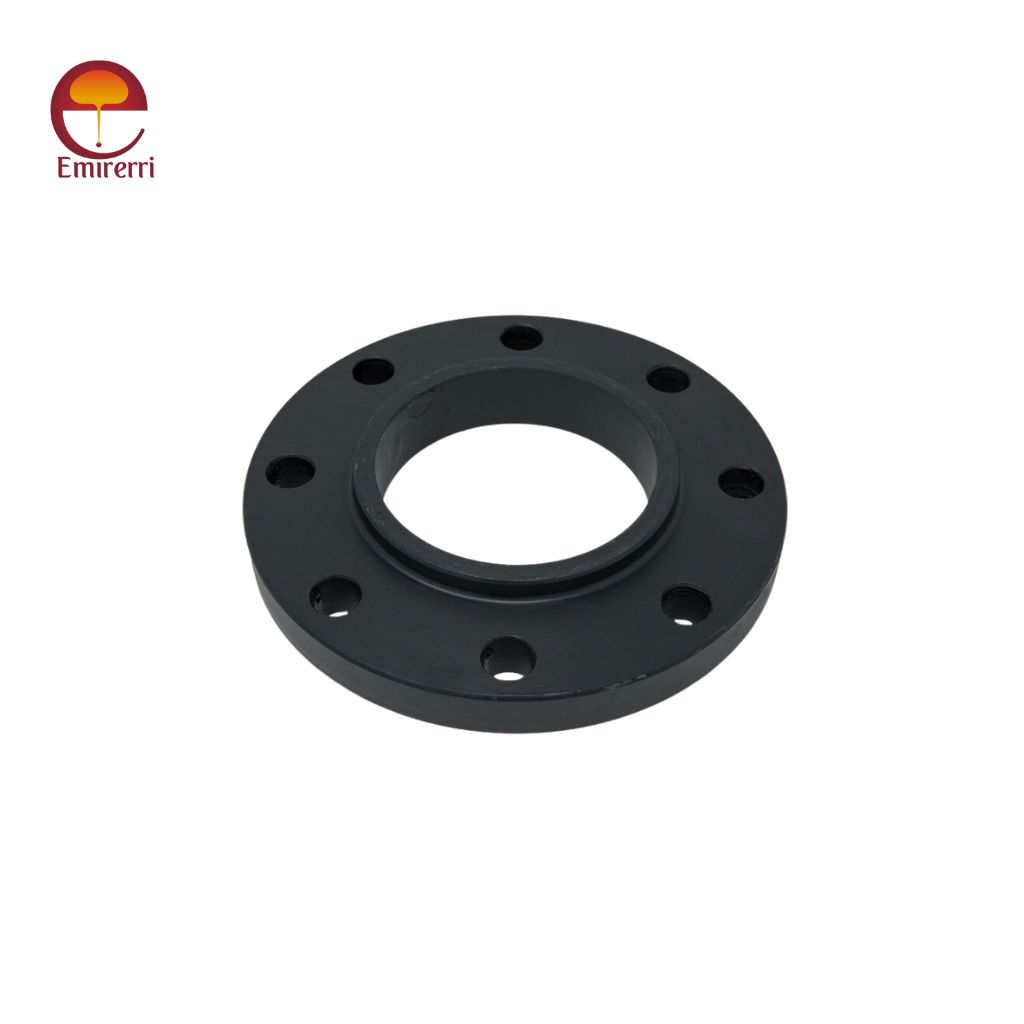
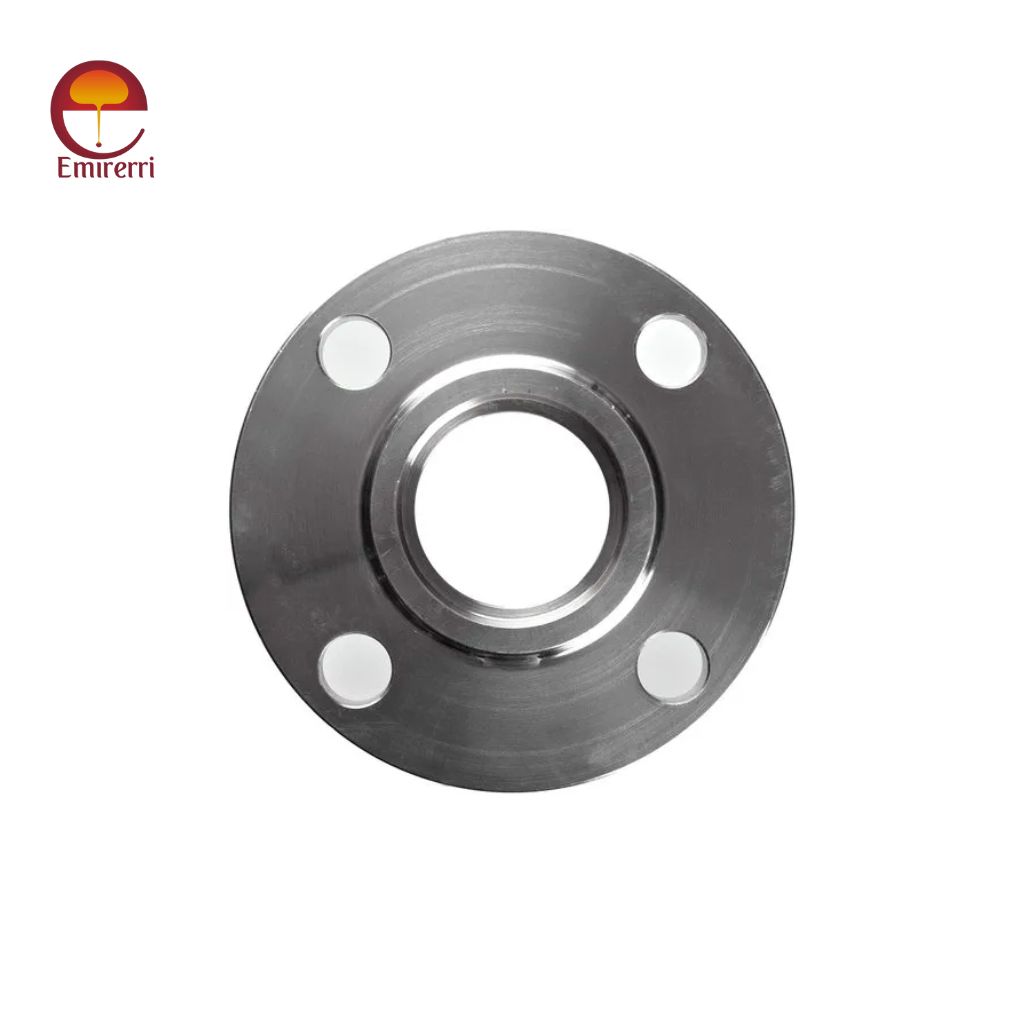
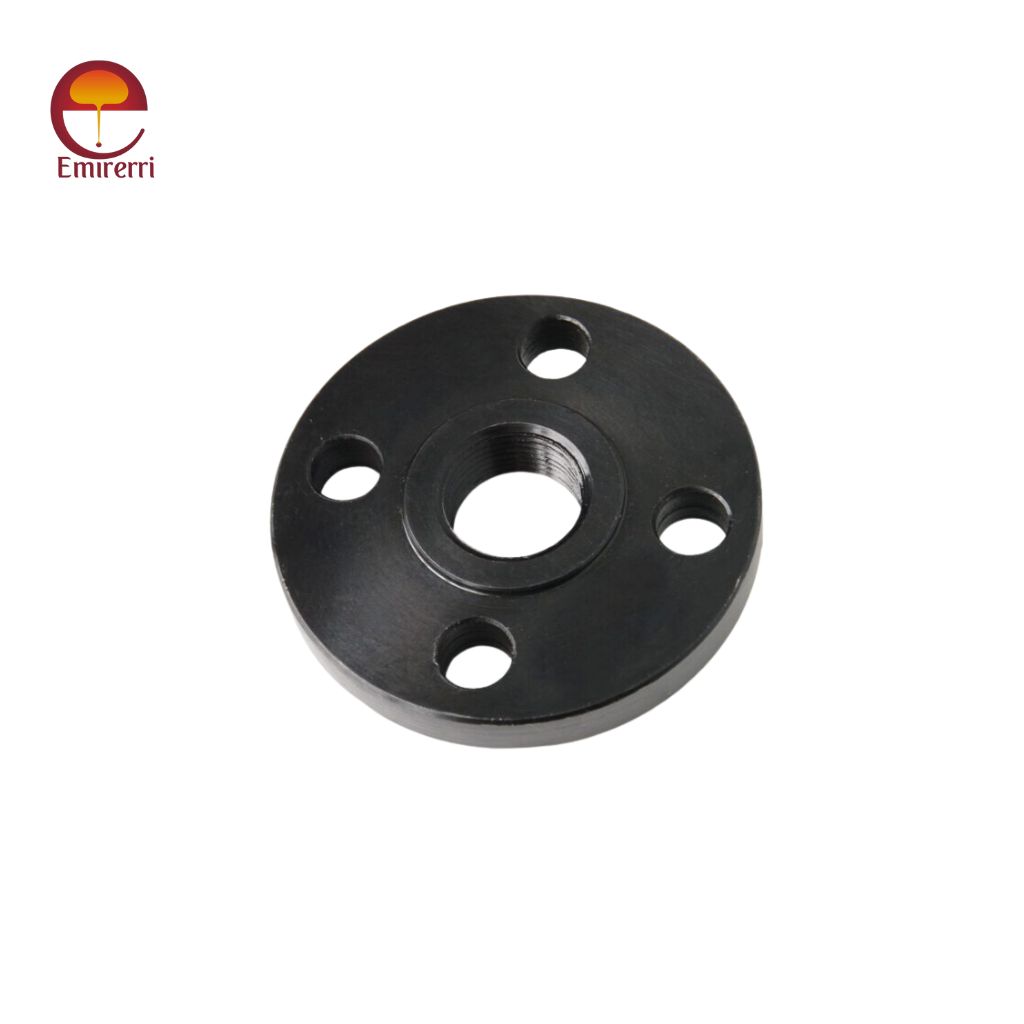
ASTM A181 Class 60 Flange
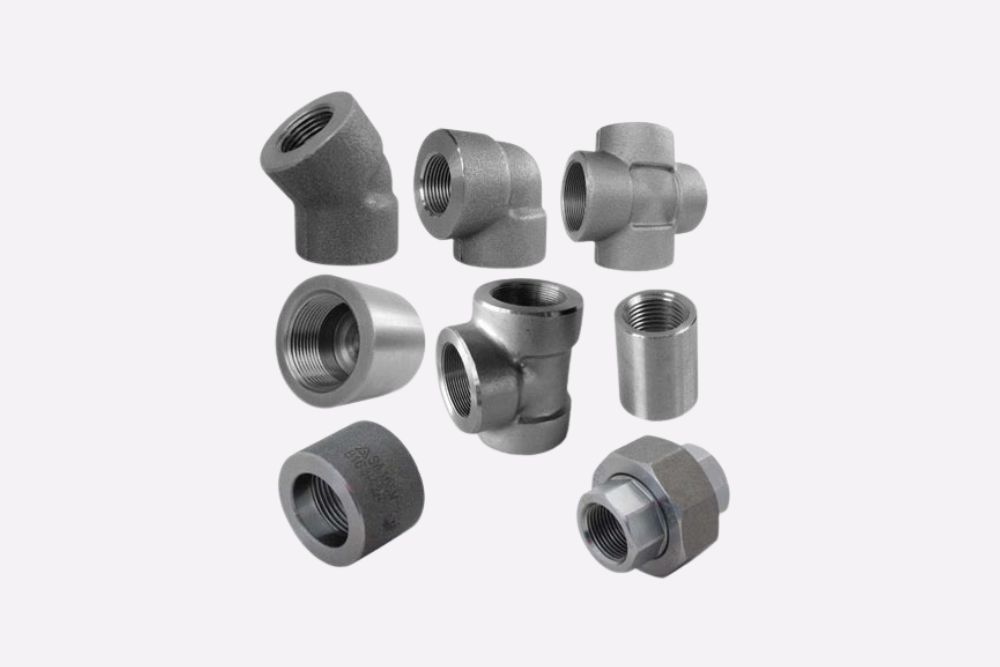
ASTM A181 Class 60 Fittings
Specification
Standard
Specification
Product Form
Forged flanges, fittings, valves, and pressure parts
Material Type
Carbon Steel
Grade
ASTM A181 Class 60
Manufacturing Process
Open die or closed die forging
Heat Treatment
Normalized or annealed as required
Application Temperature
Ambient to moderately elevated temperature service
ASTM A181 Class 60 Equivalent Grades
Standard
Equivalent Grade
ASTM / ASME
A181 Cl 60 / SA181 Cl 60
EN
C45E (1.1191)
DIN
C45
BS
1501-161-440A
Available Sizes
Form
Size Range
Forged Flanges
½” to 24” NB
Forged Fittings
½” to 4” NB
Custom Forged Components
As per client’s requirement
Chemical Composition
Element
Content (%)
Carbon (C)
0.35 – 0.45
Manganese (Mn)
0.60 – 1.00
Phosphorus (P)
0.035 max
Sulphur (S)
0.040 max
Silicon (Si)
0.10 – 0.35
Mechanical Properties
Property
Unit
Value
Tensile Strength
MPa
485 – 655
Yield Strength
MPa
275 min
Elongation
%
20 min
Reduction of Area
%
35 min
Hardness
HB
170 – 197
Physical Properties
Property
Value
Density
7.85 g/cm³
Melting Point
1425 – 1540°C
Modulus of Elasticity
200 GPa
Thermal Conductivity
51 W/m·K
Electrical Resistivity
0.1 µΩ·m
Type of ASTM A181 Class 60 Flanges
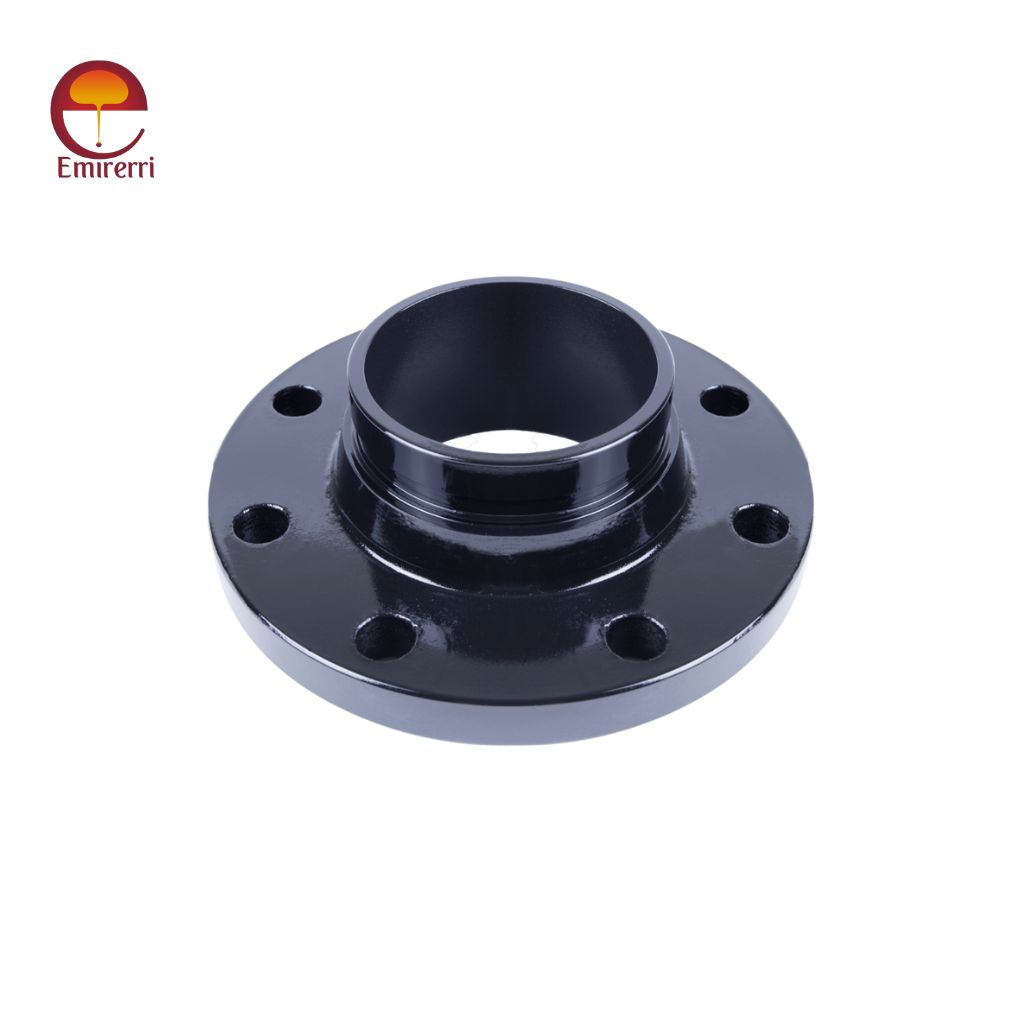
ASTM A181 Class 60 Weld Neck Flanges
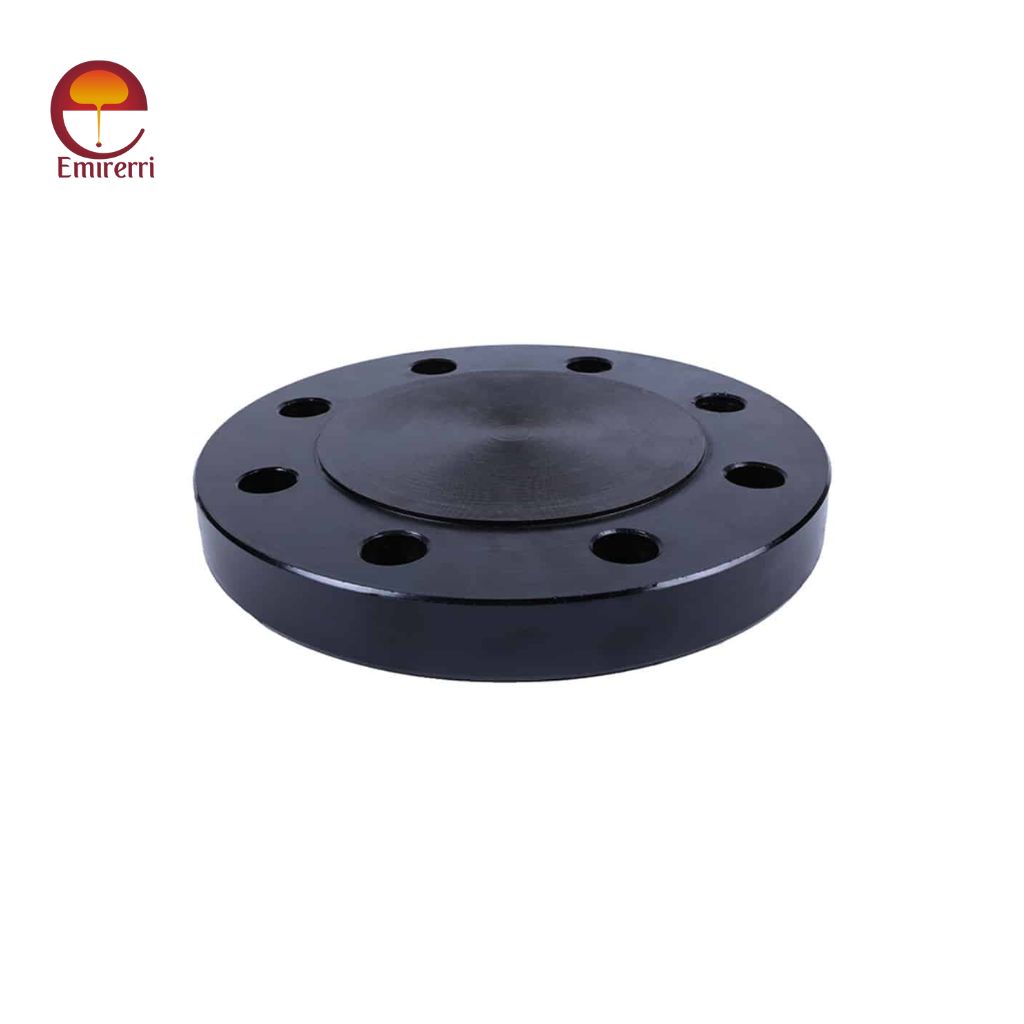
ASTM A181 Class 60 Blind Flanges
ASTM A181 Class 60 Slip-On Flanges
ASTM A181 Class 60 Socket Weld Flanges
ASTM A181 Class 60 Threaded Flanges
Corrosion Resistance
ASTM A181 Class 60 exhibits good resistance to mild atmospheric and chemical corrosion. However, it is not suitable for highly corrosive or marine environments without additional surface protection. For enhanced durability, protective coatings such as galvanizing, painting, or plating are recommended.
Heat Resistance
This material performs well at temperatures up to 425°C, maintaining stable strength and structural integrity. It is suitable for use in moderate temperature and pressure applications, though prolonged exposure to higher temperatures may reduce toughness.
Heat Treatment
Normalizing: 880°C – 940°C followed by air cooling
Annealing: 850°C – 900°C followed by slow cooling These treatments refine grain structure and improve machinability, toughness, and uniformity.
Welding
ASTM A181 Class 60 can be welded using common methods such as SMAW, GMAW, or GTAW. Preheating is recommended for thick sections, and post-weld stress relieving may be performed to minimize residual stresses. Proper filler materials should be selected for consistent joint strength.
Fabrication
The steel is easily forged, formed, and machined. Hot forging should be done between 900°C and 1200°C, followed by appropriate heat treatment. The material’s good machinability ensures precision in valves, flanges, and pressure components.