
ASTM A182 F91
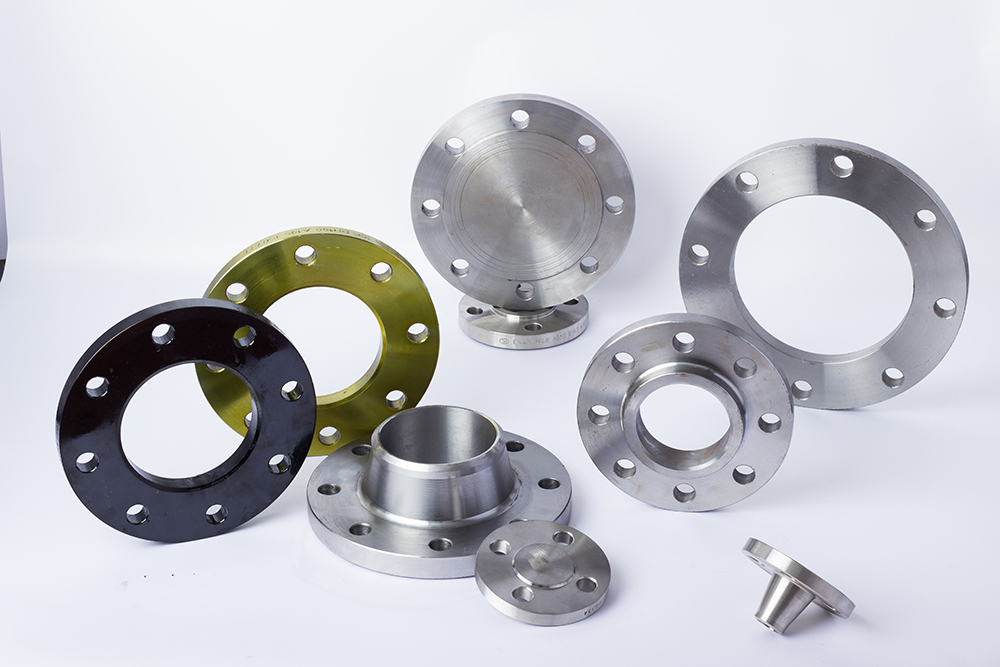
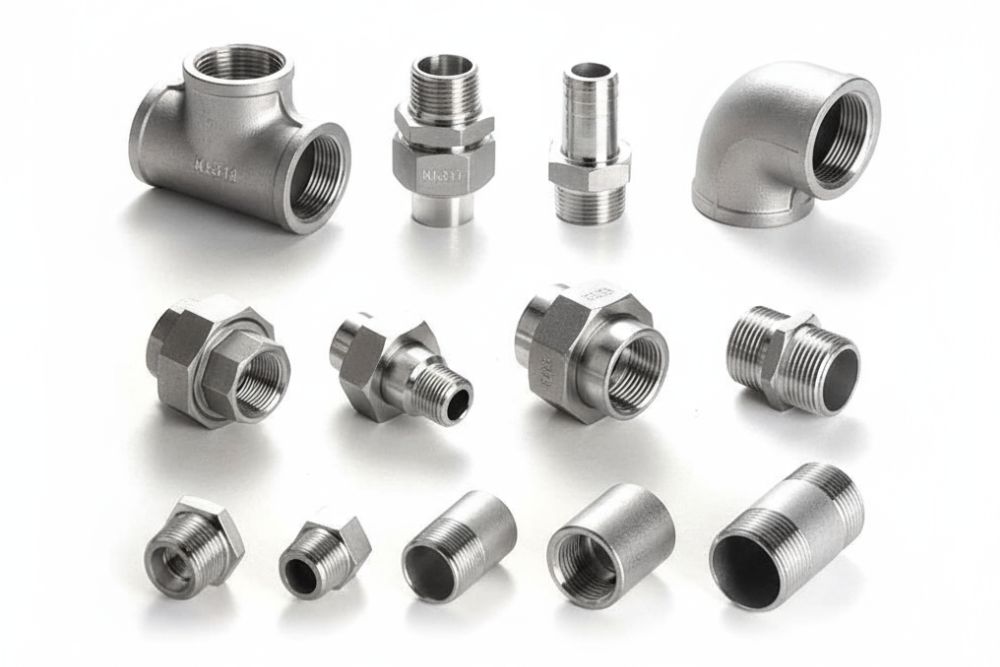
ASTM A182 F91 Alloy Steel Flange / Fittings
ASTM A182 F91 is a high-performance 9% Chromium and 1% Molybdenum (9Cr-1Mo) alloy steel grade designed for high-temperature, high-pressure, and creep-resistant applications. F91 is widely used in power plants, boilers, turbines, and petrochemical units due to its superior strength, oxidation resistance, and long-term stability at elevated temperatures.
The grade undergoes a unique normalizing and tempering (N+T) heat treatment, which enhances creep strength and improves microstructural stability, making it one of the most commonly used materials for ultra-supercritical power generation components.
Key Features
Outstanding high-temperature strength and creep resistance
Excellent thermal stability for long-term service
High chromium content for superior oxidation resistance
Suitable for elevated temperature pressure equipment
Improved weldability with controlled heat treatment
Excellent hardness retention at high temperatures
Better performance compared to other Cr-Mo grades like F11 and F22
Specification
| Property | Details |
|---|---|
| Grade | ASTM A182 F91 |
| UNS | K91560 |
| Material | 9Cr-1Mo-V-Nb Alloy Steel |
| Standard | ASTM A182 / ASME SA182 |
| Classes | 150, 300, 600, 900, 1500, 2500 |
| Manufacturing Process | Forged / Normalized & Tempered |
| Product Forms | Flanges, Fittings, Rings, Shafts, Pipe Spools |
| Size Range | ½” to 48” (depending on product type) |
Equivalent Grades
| Standard | Grade |
|---|---|
| ASME | SA182 F91 |
| UNS | K91560 |
| EN | X10CrMoVNb9-1 |
| DIN | 1.4903 |
| BS | 622-515 / 3604 |
| JIS | SUH 616 |
Available Sizes
Flanges
½” to 48”
Class 150 to 2500
Raised Face, RTJ, Flat Face available
Forged Fittings
½” to 4”
3000#, 6000#, 9000#
Bars / Shafts
20mm to 500mm diameter
Custom Forged Components
Rings, discs, blocks, machined components
Chemical Composition
| Element | Percentage (%) |
|---|---|
| Carbon (C) | 0.08 – 0.12 |
| Manganese (Mn) | 0.30 – 0.60 |
| Silicon (Si) | 0.20 – 0.50 |
| Chromium (Cr) | 8.00 – 9.50 |
| Molybdenum (Mo) | 0.85 – 1.05 |
| Vanadium (V) | 0.18 – 0.25 |
| Niobium (Nb) | 0.06 – 0.10 |
| Nitrogen (N) | 0.03 – 0.07 |
| Phosphorus (P) | ≤ 0.020 |
| Sulfur (S) | ≤ 0.010 |
Mechanical Properties
| Property | Value |
|---|---|
| Tensile Strength | 585 MPa (Min) |
| Yield Strength | 415 MPa (Min) |
| Elongation | 20% (Min) |
| Hardness | 190–250 HB |
| Impact Strength | Excellent at elevated temperatures |
| Creep Strength | Exceptional long-term creep resistance |
Physical Properties
| Property | Value |
|---|---|
| Density | 7.78 g/cm³ |
| Melting Point | 1420–1460°C |
| Thermal Conductivity | 27–31 W/m·K |
| Modulus of Elasticity | 200–215 GPa |
| Specific Heat | 460 J/kg·K |
| Thermal Expansion Coefficient | 11.5 µm/m°C |
Types
1. Forged Flanges
Weld Neck Flange
Slip-On Flange
Blind Flange
Threaded Flange
Lap Joint Flange
Socket Weld Flange
RTJ Flange
Orifice Flange
Spectacle Blinds
2. Forged Fittings
Elbows (45° & 90°)
Equal Tee & Reducing Tee
Cross
Couplings
Caps
Plugs
Unions
Swage Nipples
3. Custom Forgings
Rings
Discs
Forged Bars
Shafts
Blocks
Corrosion Resistance
ASTM A182 F91 offers:
Excellent oxidation resistance due to 9% Cr content
Good corrosion resistance in steam environments
Resistant to sulfidation and crevice corrosion
Stable performance in high-temperature acidic gas atmospheres
Heat Resistance
ASTM A182 F91 is engineered for:
Continuous service up to 650–700°C
High resistance to thermal fatigue
Superior resistance to creep, rupture, and stress corrosion cracking
Excellent performance in high-pressure, high-temperature steam systems
Heat Treatment
Typical heat treatment for F91 includes:
| Process | Temperature |
|---|---|
| Normalizing | 1040–1080°C |
| Tempering | 730–780°C |
| Annealing | Not recommended for final properties |
| PWHT After Welding | 730–780°C |
Heat treatment stabilizes the martensitic structure and improves creep resistance.
Welding
F91 is weldable using:
GTAW (TIG)
GMAW (MIG/MAG)
SMAW
SAW
Welding Guidelines
Preheat: 200–300°C
Interpass Temperature: ≤ 350°C
Mandatory PWHT to relieve residual stress
Low hydrogen electrodes required
Fabrication
Good forgeability at 900–1200°C
Machining requires carbide tools due to hardness
Dimensional stability during high-temperature service
Suitable for forming high-strength pressure components
Applications
Superheater and reheater tubes
Power plant piping & steam lines
High-pressure boiler components
Turbine casings and rotors
Petrochemical furnace parts
Heat exchanger systems
Oil & gas refinery applications
Pressure vessels operating at elevated temperatures