ASTM A815 WP410

ASTM A815 WP410 Martensitic Stainless Steel Pipe Fittings

ASTM A815 WP410 pipe fittings are manufactured from martensitic stainless steel Grade 410, conforming to the ASTM A815 standard for wrought ferritic, austenitic, and martensitic stainless steel fittings used in pressure and high-temperature applications.

Grade WP410 (UNS S41000) is a hardenable martensitic stainless steel known for its high strength, wear resistance, and good corrosion resistance after proper heat treatment. It contains 11.5–13.5% chromium, providing moderate corrosion protection in mild environments and excellent mechanical properties under elevated temperatures.

Key Features

  • High tensile and yield strength.

  • Excellent resistance to scaling and oxidation up to 650°C.

  • Good corrosion resistance in mildly corrosive environments.

  • Can be hardened through heat treatment for improved wear resistance.

  • Magnetic in all conditions.

  • Cost-effective and versatile for mechanical and pressure service.

Butt Weld Stainless Steel Pipe Fitting

Specification

StandardASTM A815 / ASME SA815
GradeWP410
Material TypeMartensitic Stainless Steel
UNS NumberS41000
W.Nr.1.4006
FormElbows, Tees, Reducers, Caps, Stub Ends, Crosses
Manufacturing ProcessSeamless / Welded / Fabricated
Size Range½” NB to 48” NB
ScheduleSCH 10S to SCH 160 / XXS
End ConnectionBeveled, Plain, or Custom Ends

Equivalent Grades

StandardGrade
ASTM / ASMEWP410
UNSS41000
ENX12Cr13
W.Nr1.4006
JISSUS410
BS410S21

Available Sizes

  • Seamless Fittings: ½” to 24” NB

  • Welded Fittings: ½” to 48” NB

  • Wall Thickness: SCH 10S, SCH 40S, SCH 80S, SCH 160, XXS

  • Custom Dimensions: Available upon request

Chemical Composition

ElementContent (%)
Carbon (C)0.08 – 0.15
Manganese (Mn)≤ 1.00
Silicon (Si)≤ 1.00
Phosphorus (P)≤ 0.040
Sulfur (S)≤ 0.030
Chromium (Cr)11.5 – 13.5
Nickel (Ni)≤ 0.75
Iron (Fe)Balance

Mechanical Properties

PropertyValue
Tensile Strength480 MPa (min)
Yield Strength (0.2% Proof)275 MPa (min)
Elongation20% (min)
Hardness (Brinell)≤ 223 HB
Impact ToughnessGood (improves after tempering)

Physical Properties

PropertyValue
Density7.75 g/cm³
Melting Point1450°C
Modulus of Elasticity200 GPa
Thermal Conductivity24.9 W/m·K at 100°C
Electrical Resistivity0.57 µΩ·m at 20°C

Types of ASTM A815 WP410 Fittings

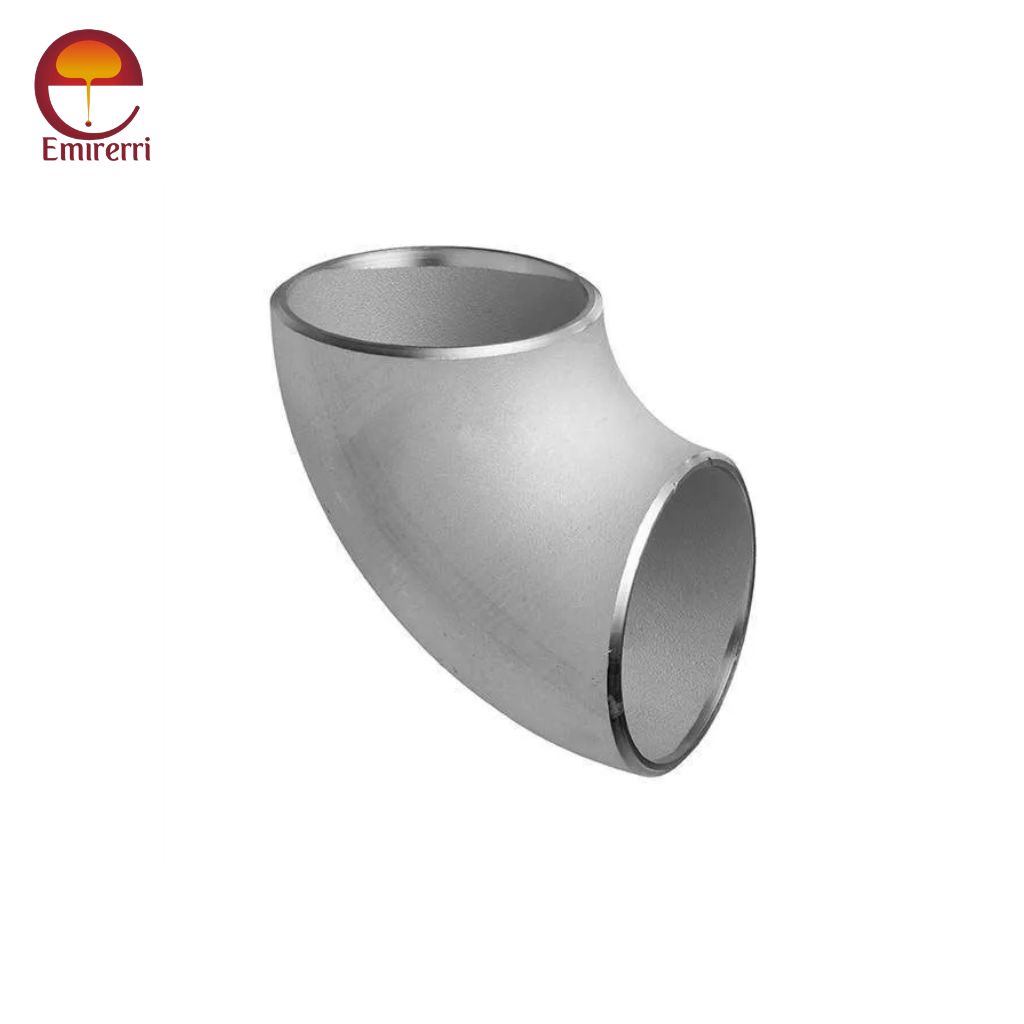
Stainless Steel 45 Degree Elbow

ASTM A815 WP410 Elbow

Stainless Steel Butt Weld Equal Tee

ASTM A815 WP410 Tee

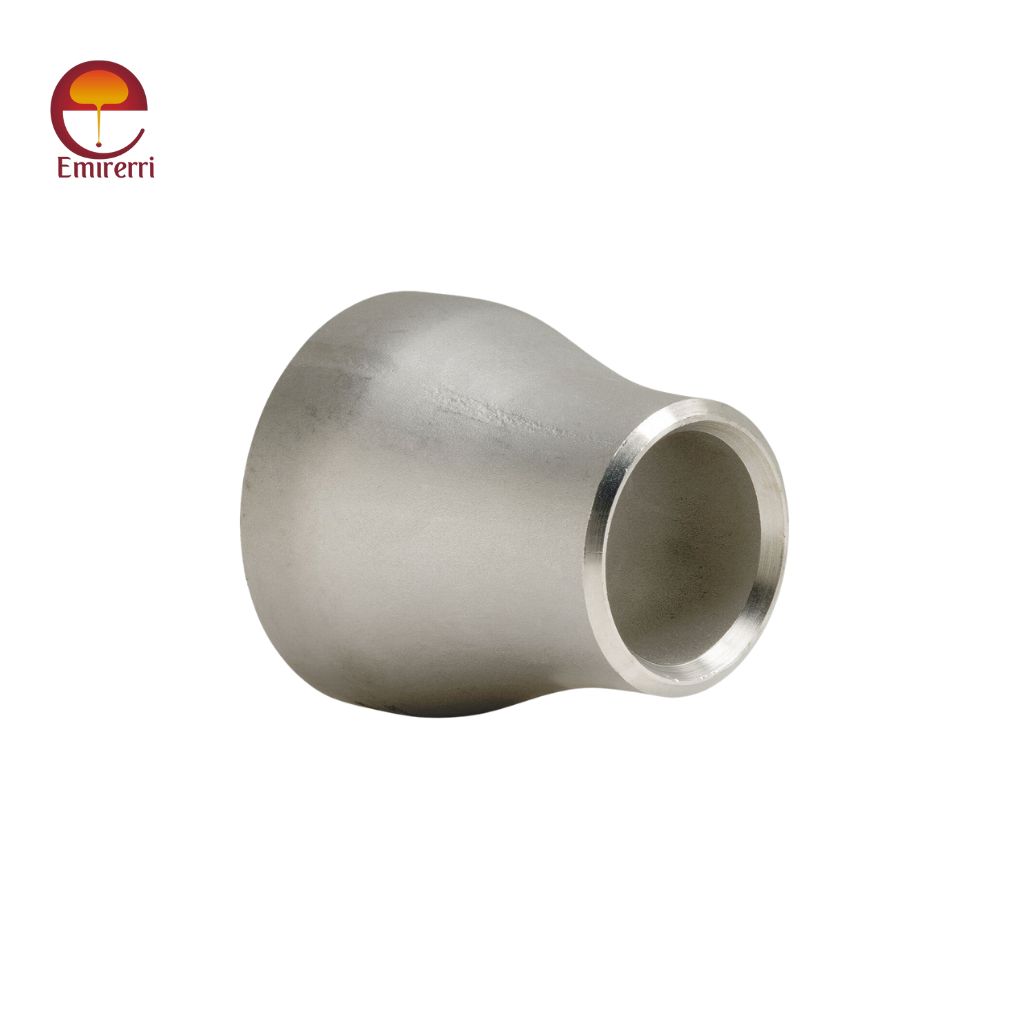
Stainless Steel Concentric Reducer

ASTM A815 WP410 Reducers

Butt Weld Stainless Steel Cap

ASTM A815 WP410 Caps

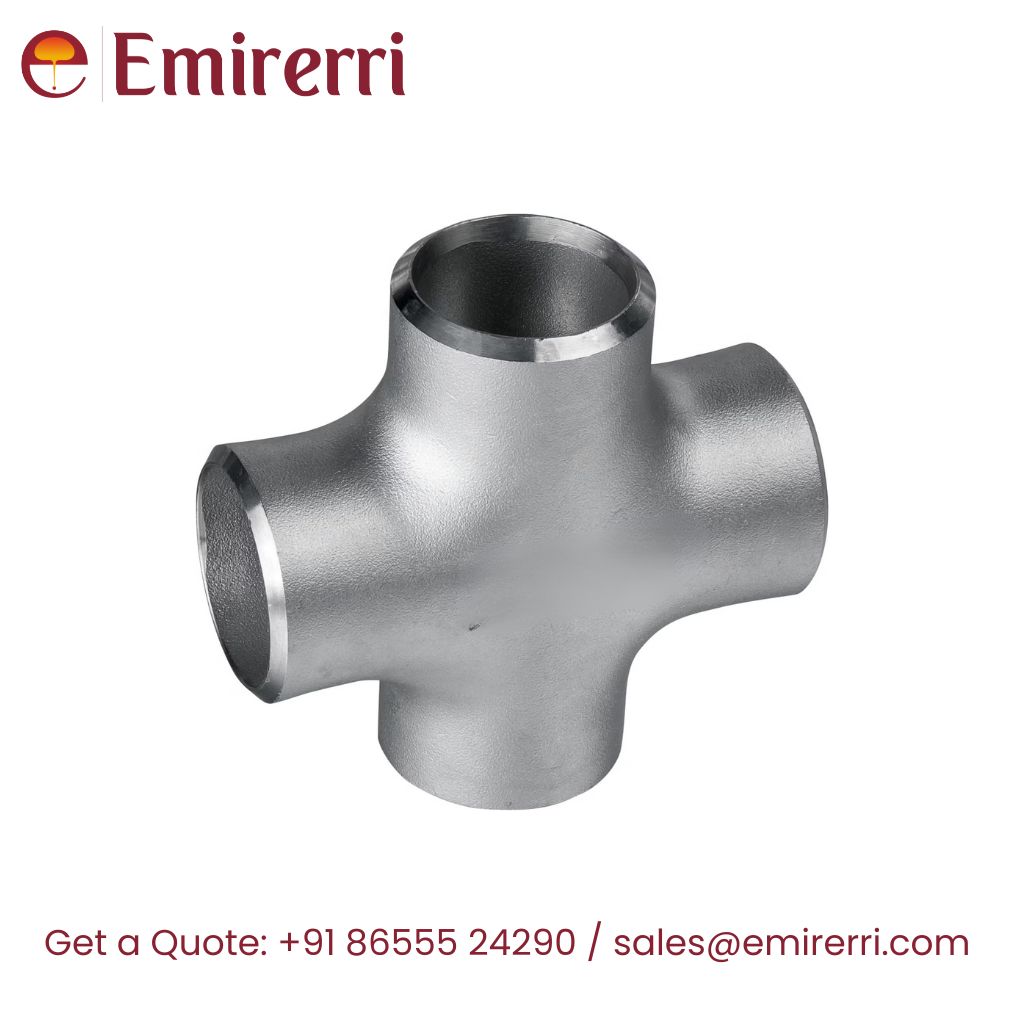
Stainless Steel Butt Weld Cross

ASTM A815 WP410 Cross Fittings

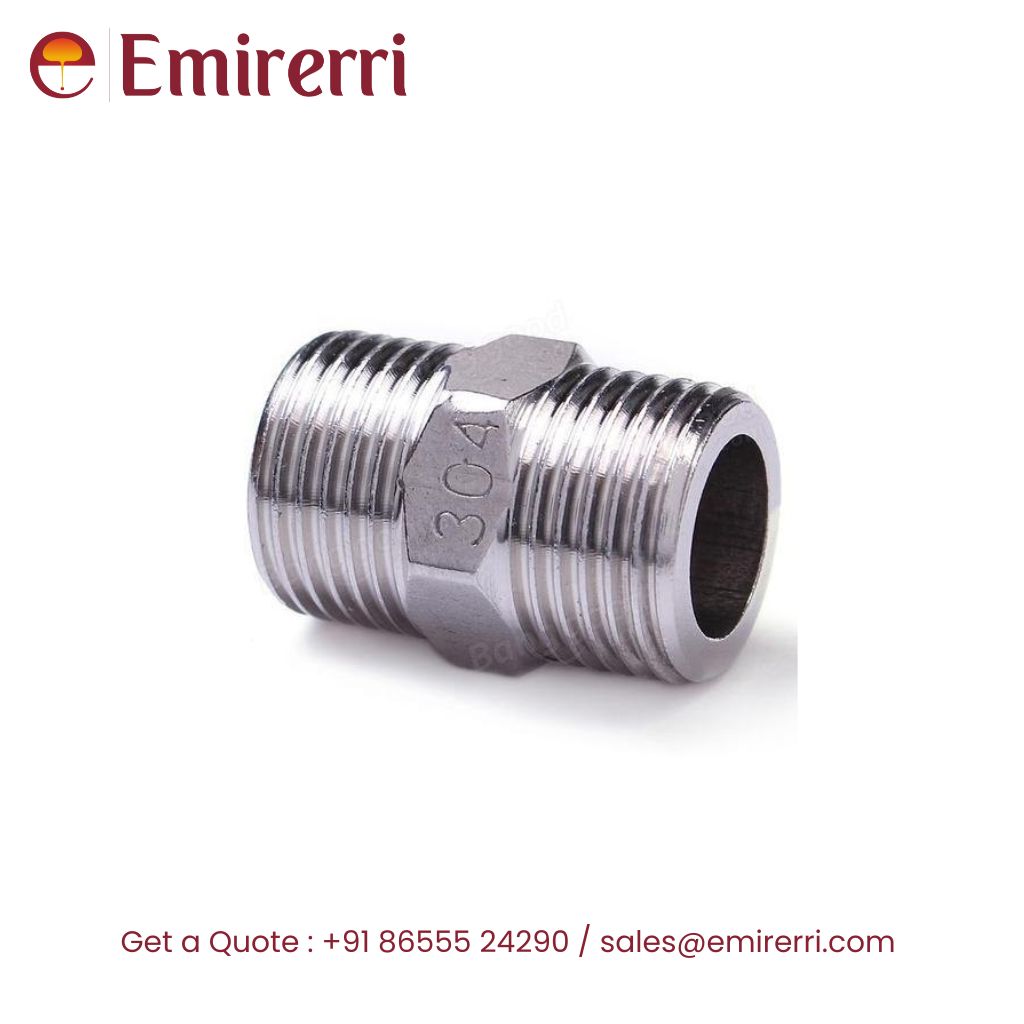
Stainless Steel Hex Nipple

ASTM A815 WP410 Nipples

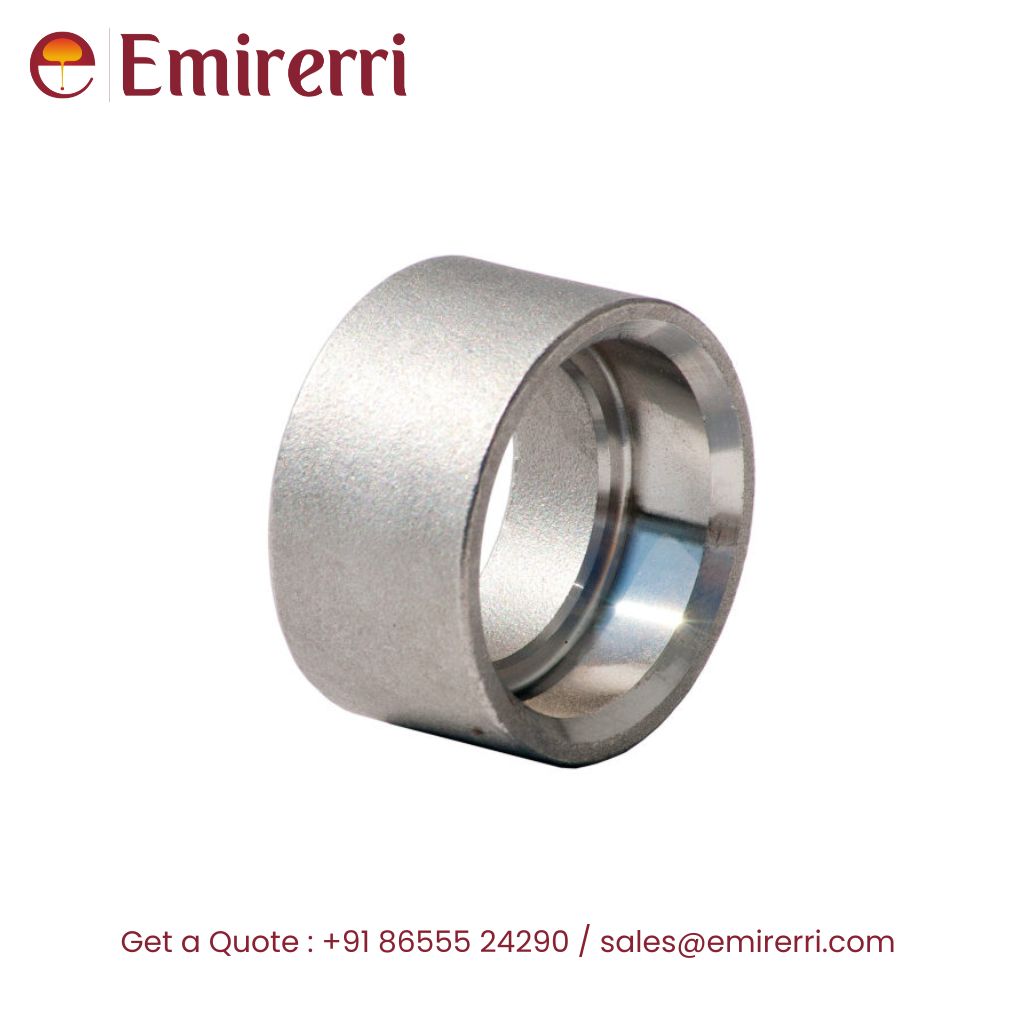
Stainless Steel Socket Weld Half Coupling

ASTM A815 WP410 Couplings

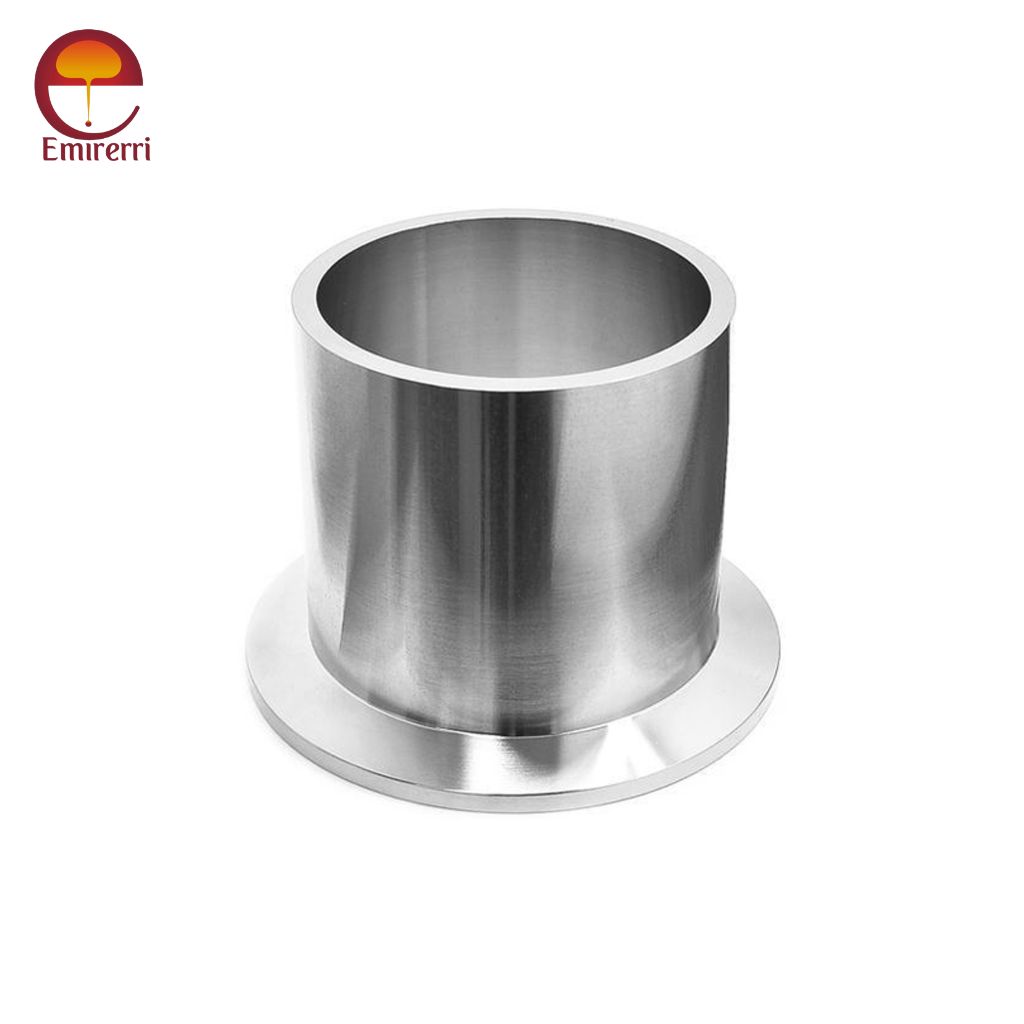
Stainless Steel Long Stub End

ASTM A815 WP410 Stub Ends

Corrosion Resistance

ASTM A815 WP410 offers moderate corrosion resistance in:

  • Freshwater and Mild Industrial Atmospheres

  • Steam and Mild Acids

  • Oil and Petroleum Environments

However, it is not recommended for highly corrosive or chloride-rich environments. The corrosion resistance can be enhanced through polishing, hardening, and tempering treatments.

Heat Resistance

  • Resists oxidation and scaling up to 650°C (1200°F) in continuous service.

  • Maintains strength and hardness at moderately high temperatures.

  • Prolonged exposure between 400–600°C should be avoided to prevent embrittlement.

Heat Treatment

  • Annealing: 815–900°C followed by slow furnace cooling.

  • Hardening: 925–1010°C, followed by air or oil quenching.

  • Tempering: 150–370°C depending on required mechanical properties.

  • Heat treatment enhances both hardness and corrosion resistance.

Welding

  • Readily weldable using standard methods such as GTAW (TIG) or GMAW (MIG), though preheating and post-weld heat treatment are recommended.

  • Preheat: 200–300°C

  • Post-weld Tempering: 650–750°C to restore ductility and corrosion resistance.

  • Filler metals such as AWS E410 or E309 are recommended.

Fabrication

  • Easily machinable in the annealed condition.

  • Forming and bending operations require preheating to avoid cracking.

  • Post-forming annealing is recommended to relieve stresses.

  • Magnetic in all conditions and readily polishable.

Applications

  • Steam Turbine Components

  • Oil & Gas Refining Equipment

  • Power Generation Plants

  • Heat Exchangers

  • Pump & Valve Parts

  • Automotive Exhaust Systems

  • Mechanical and Structural Components

Get A Quote


Please enable JavaScript in your browser to complete this form.
Name

This will close in 0 seconds

Scroll to Top