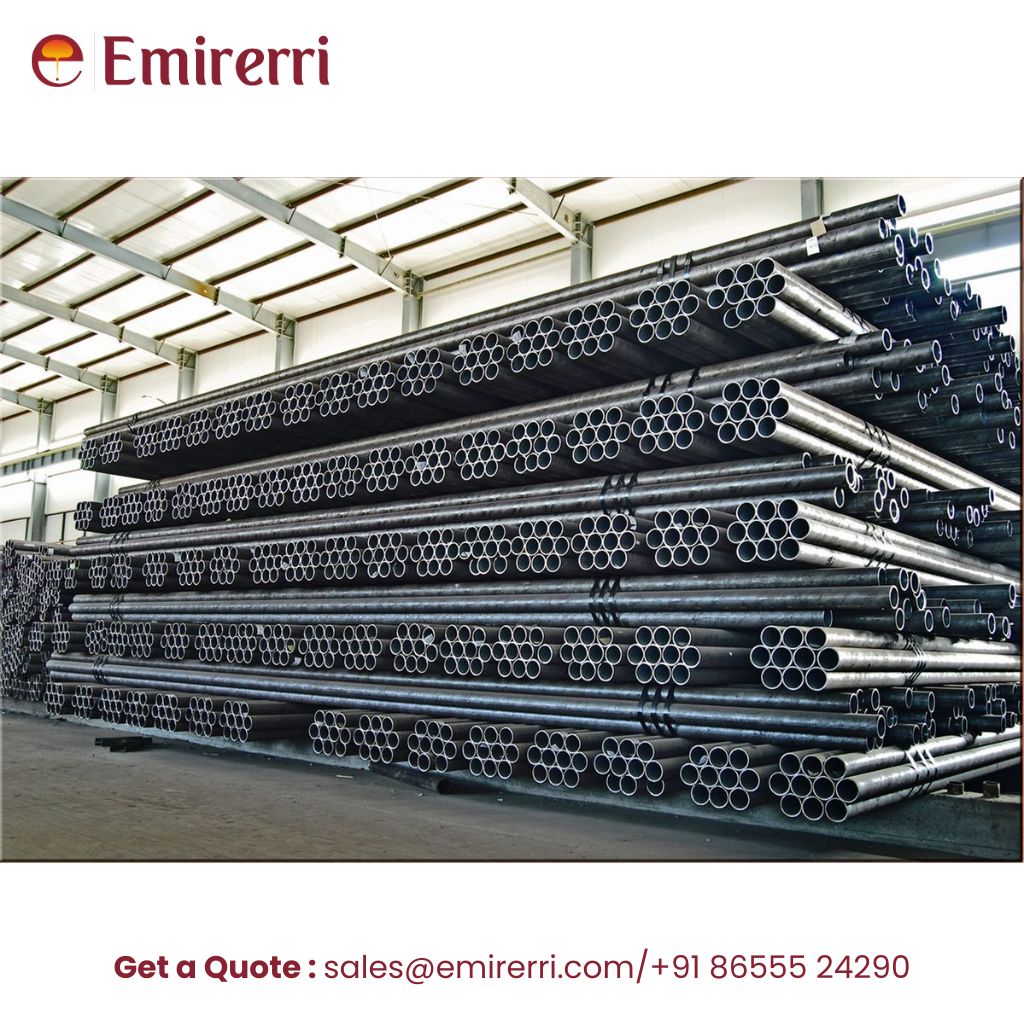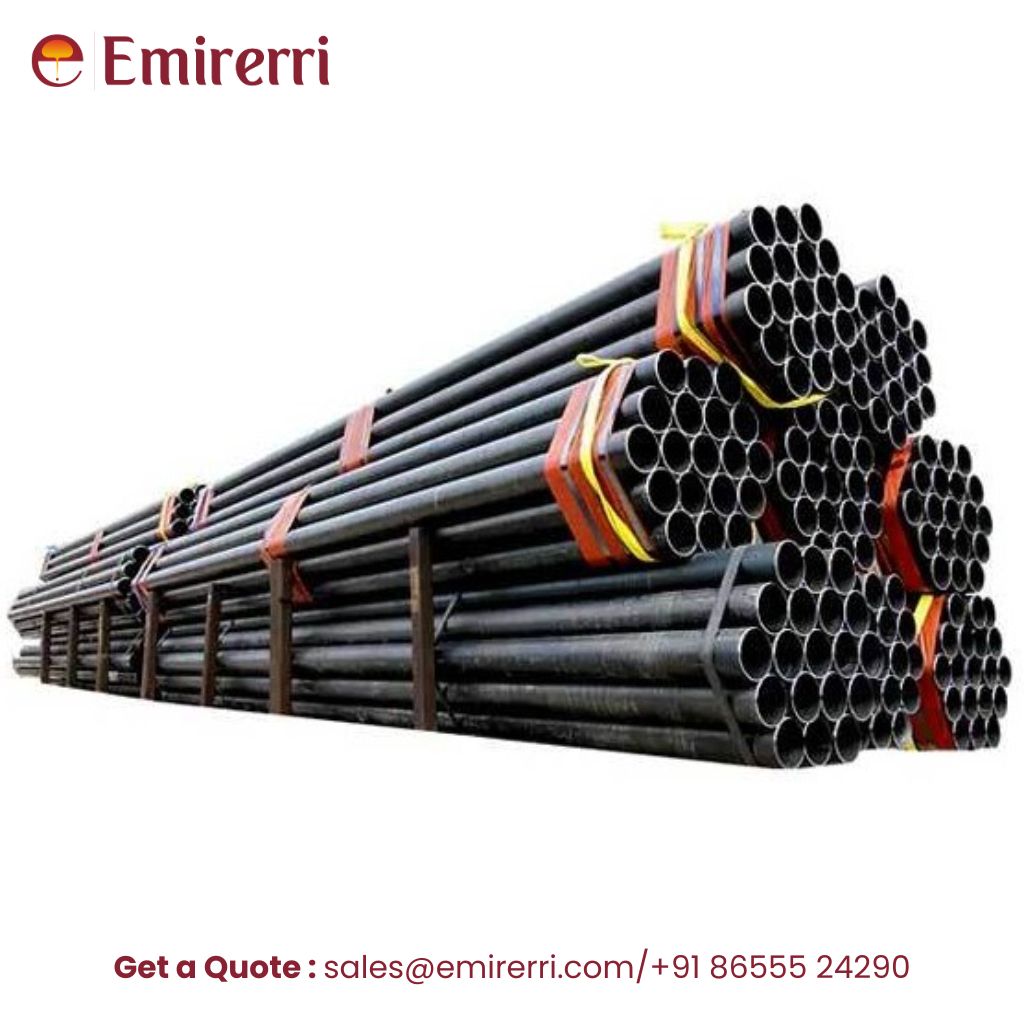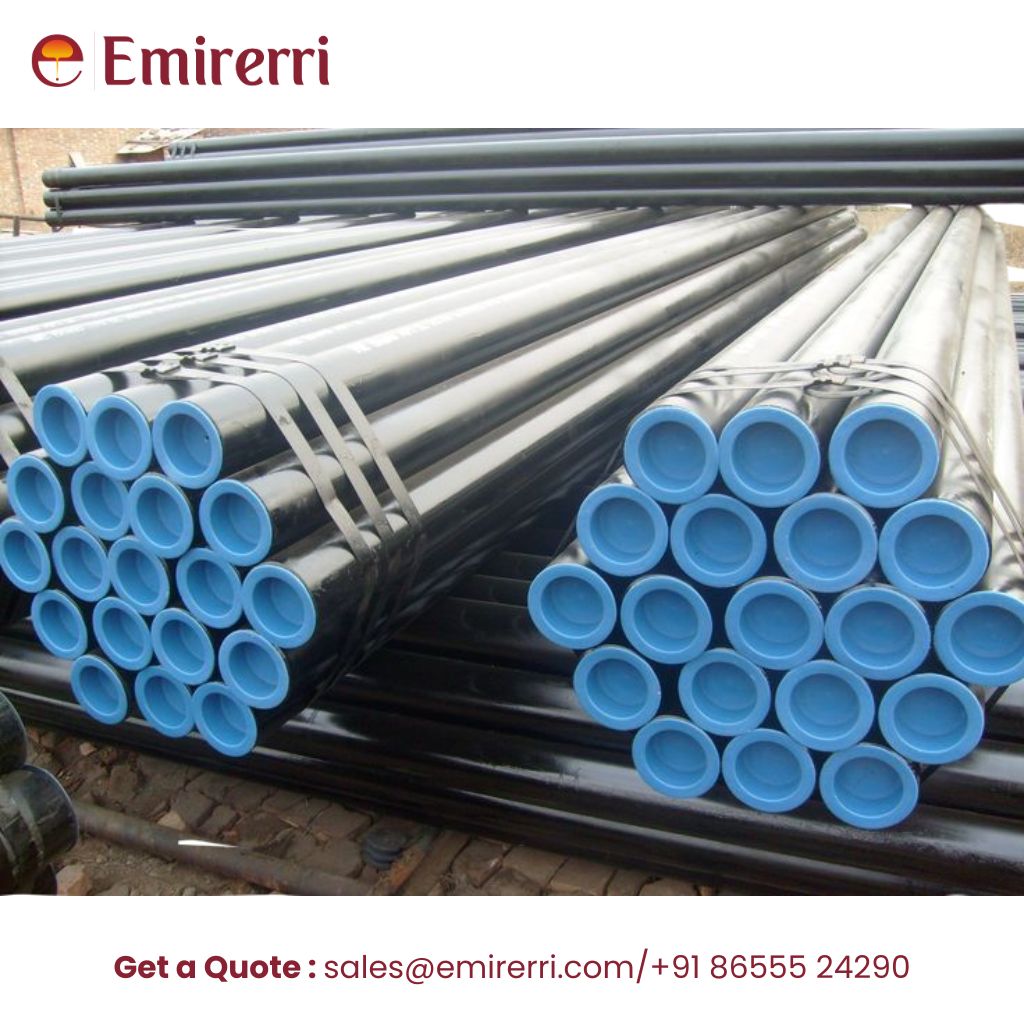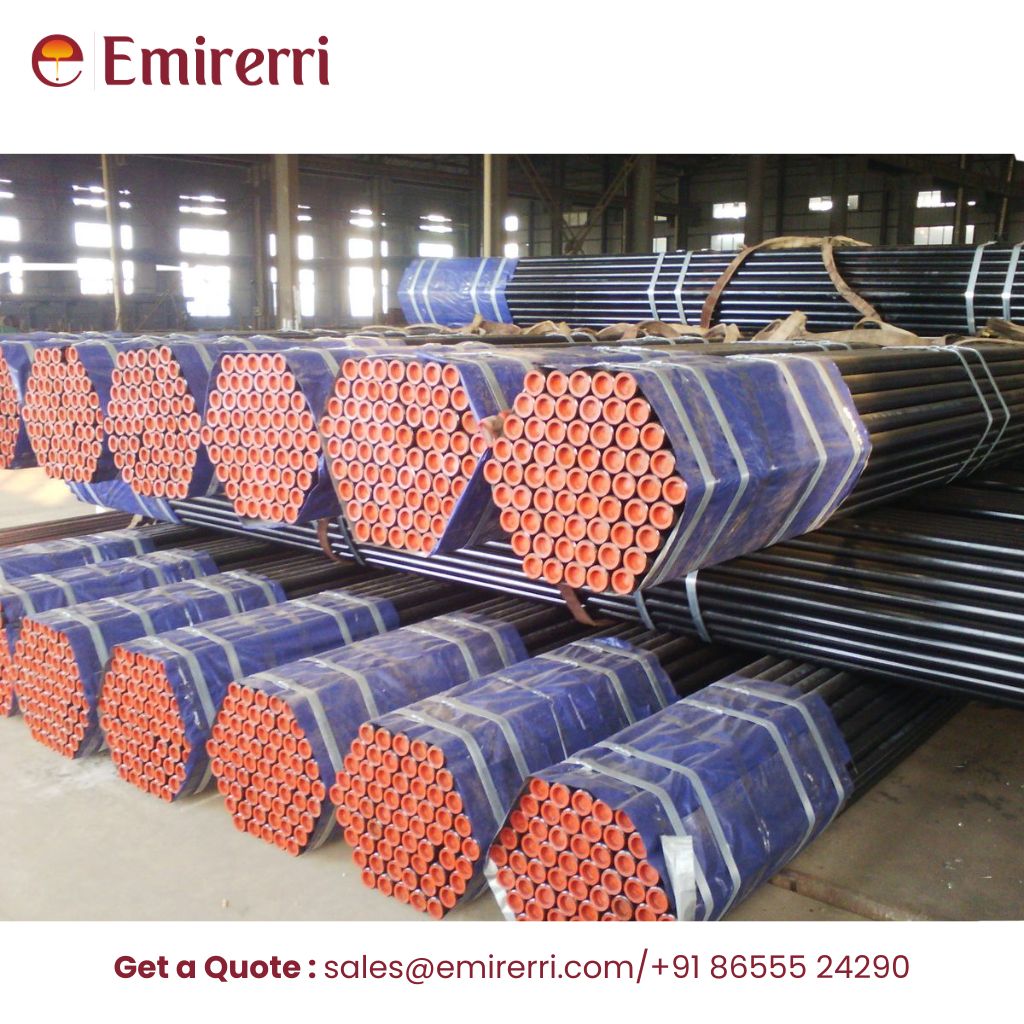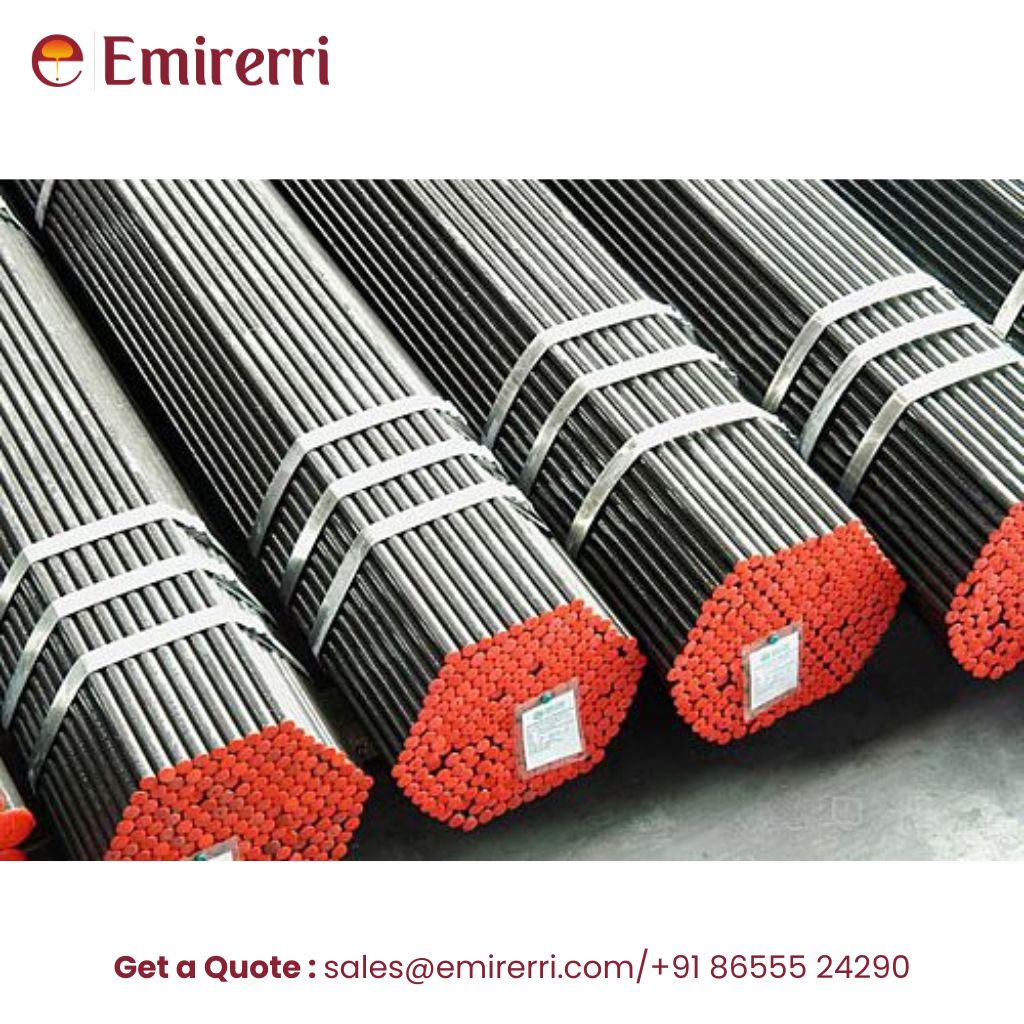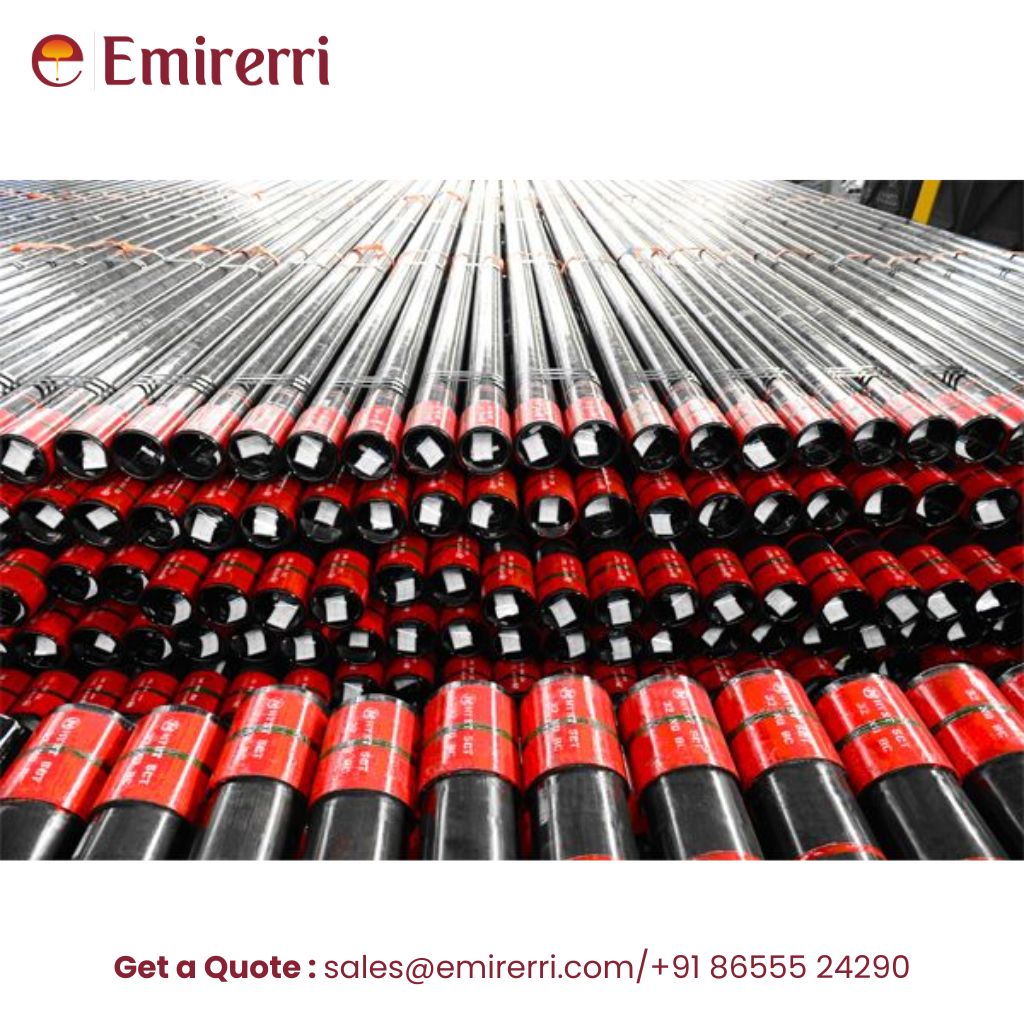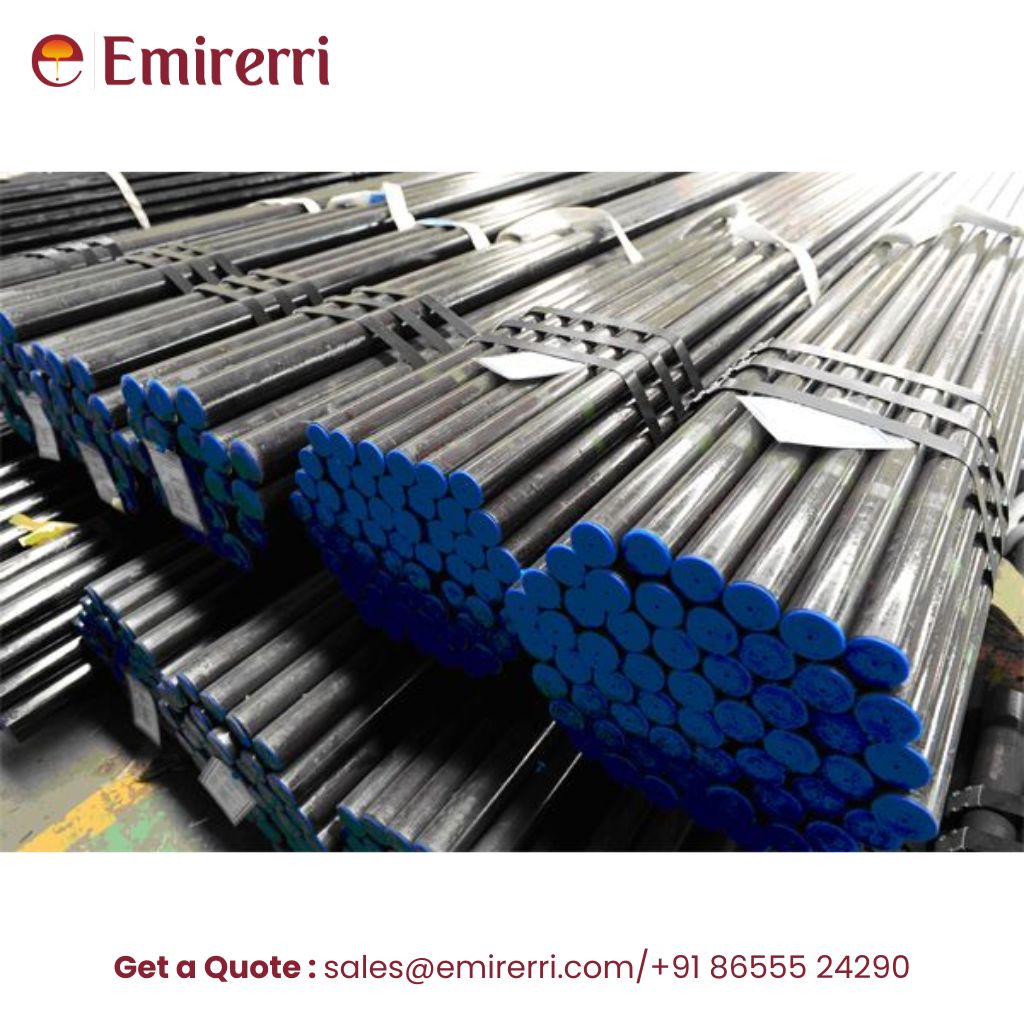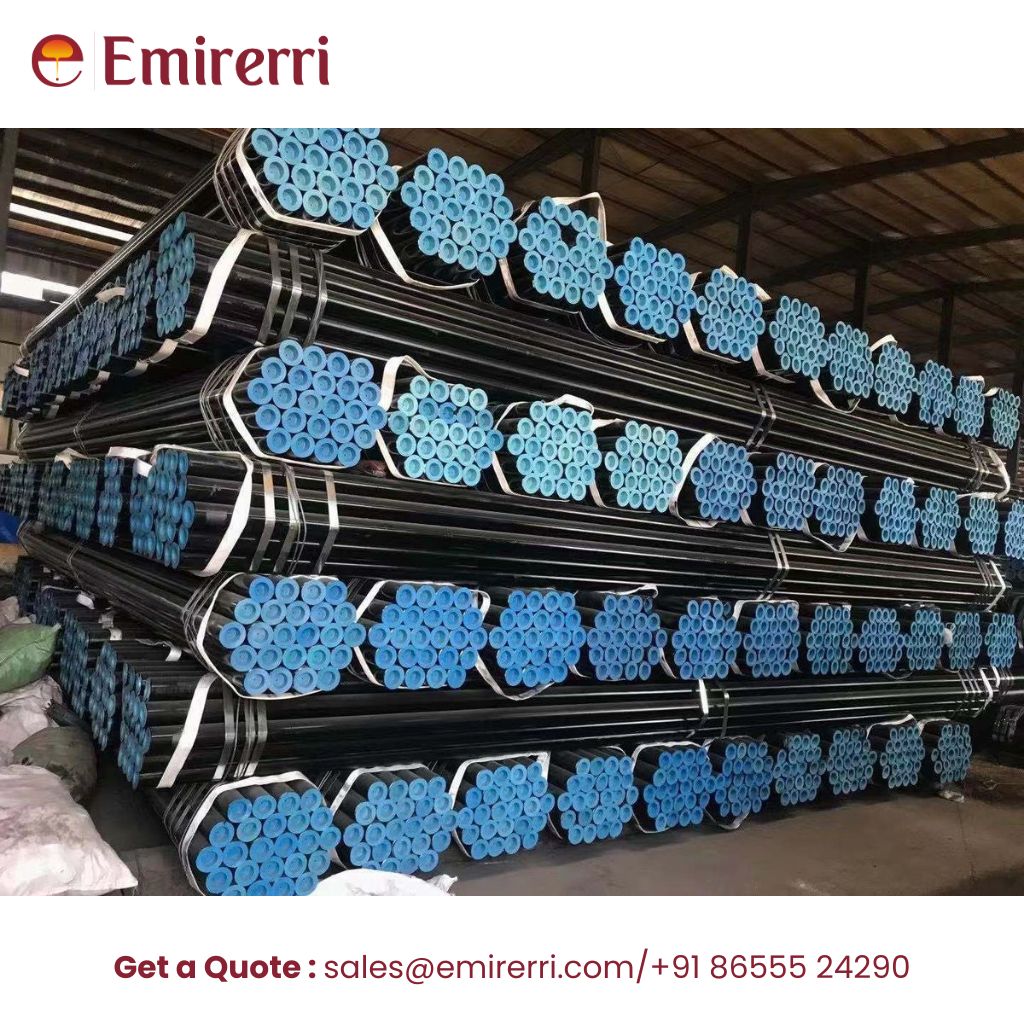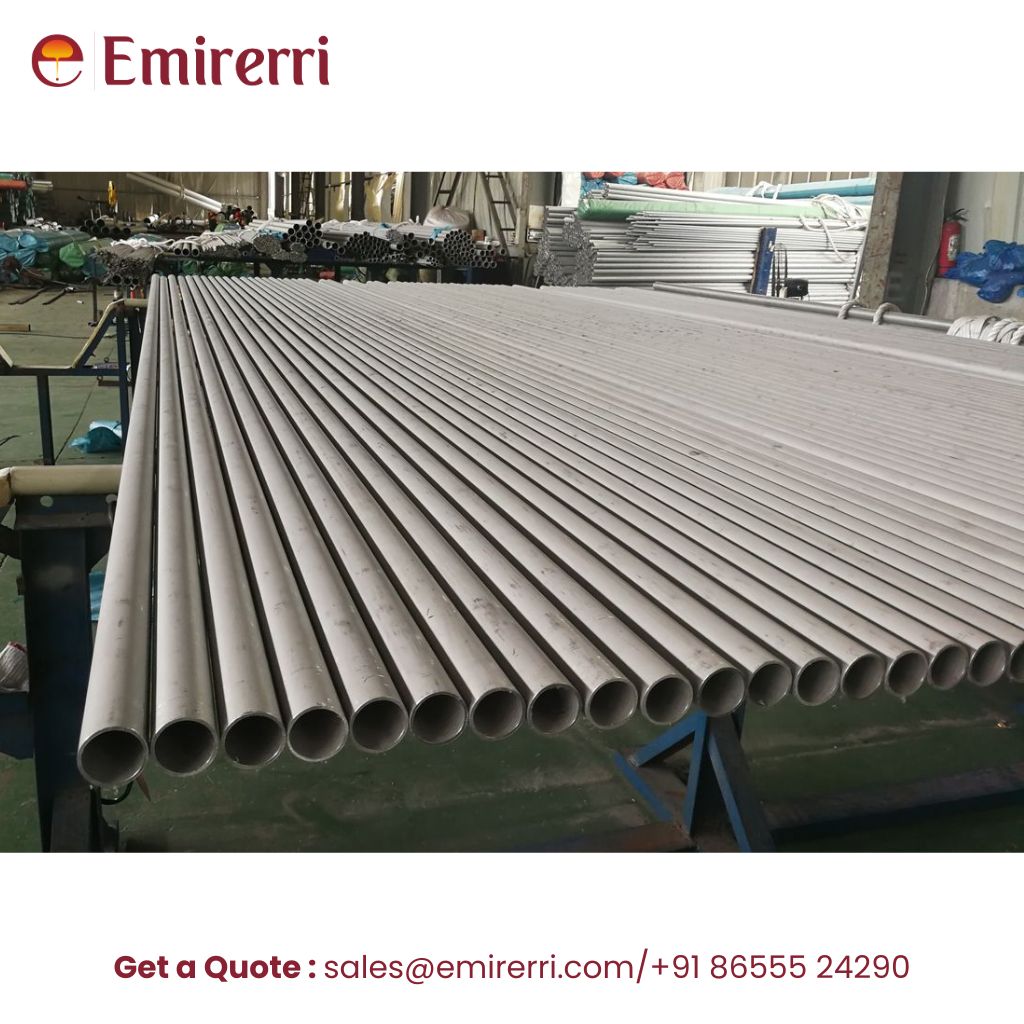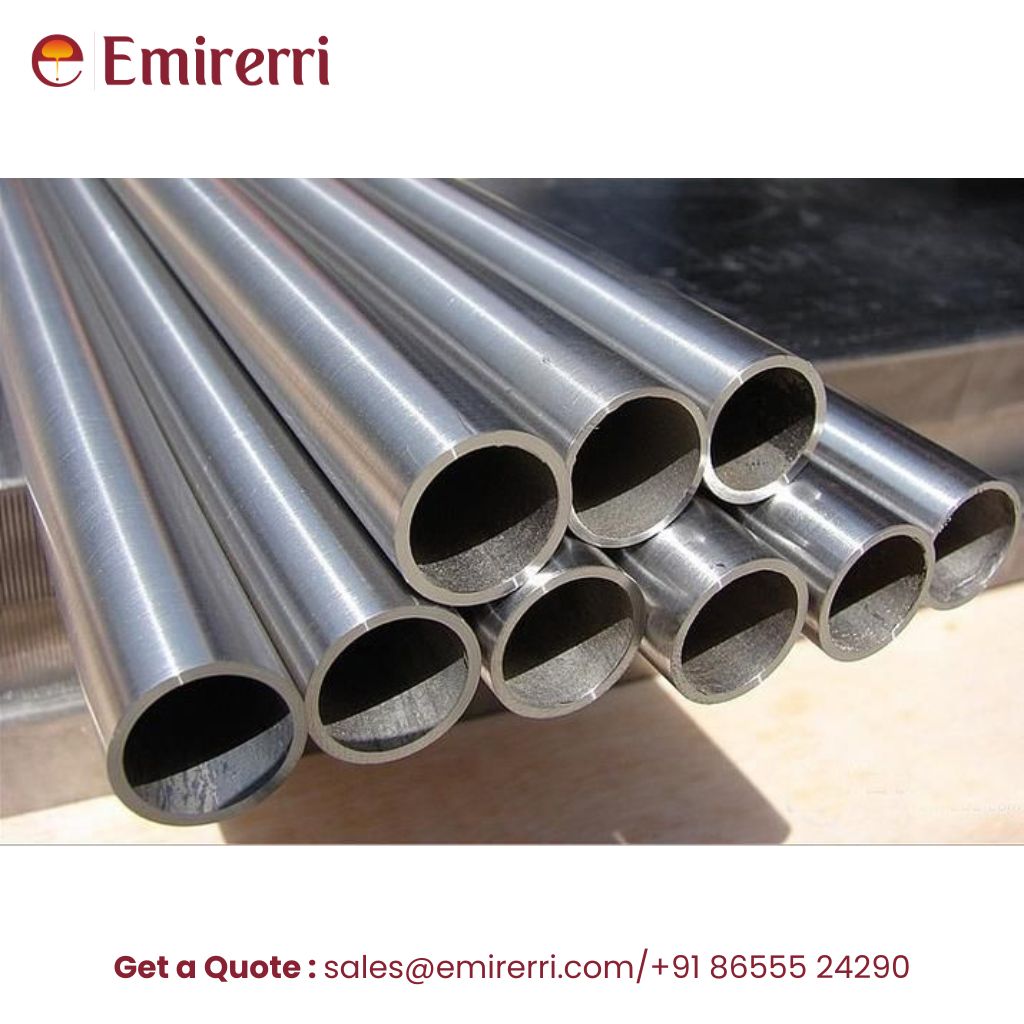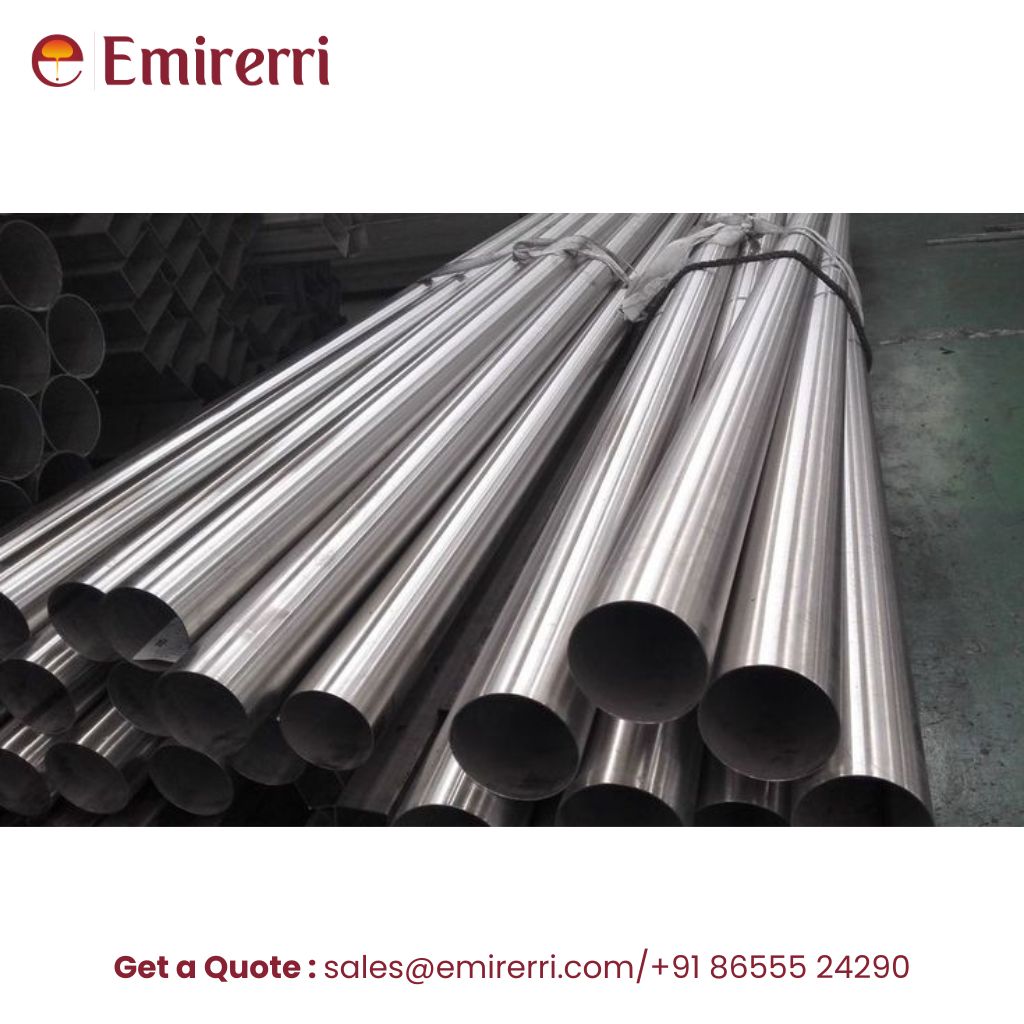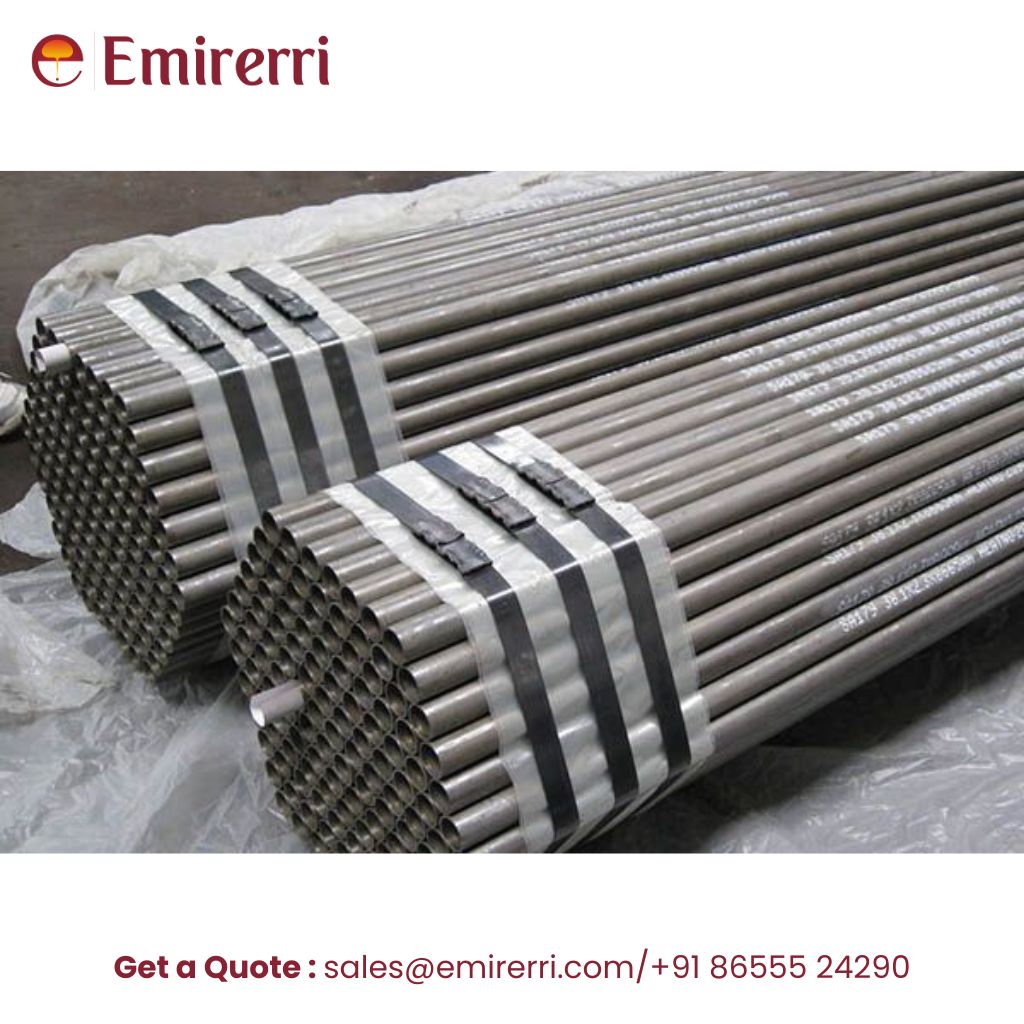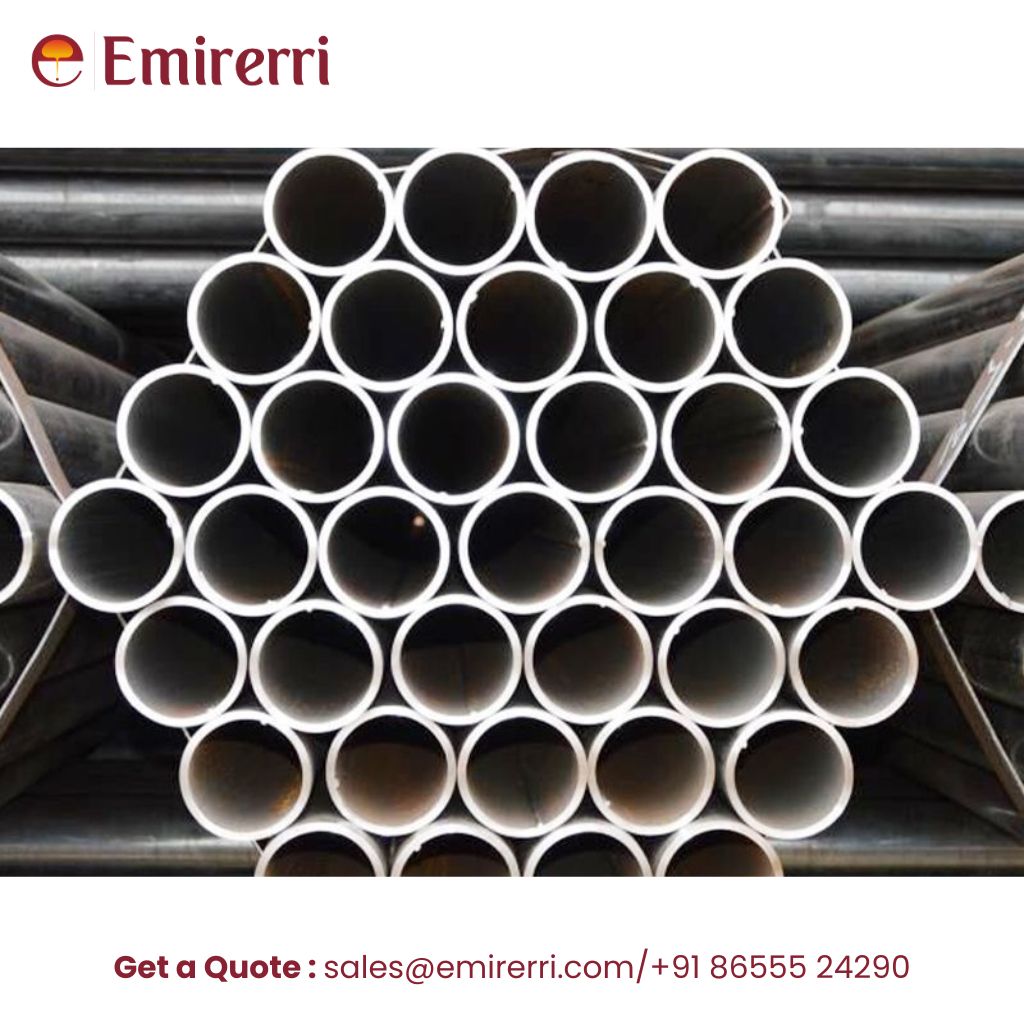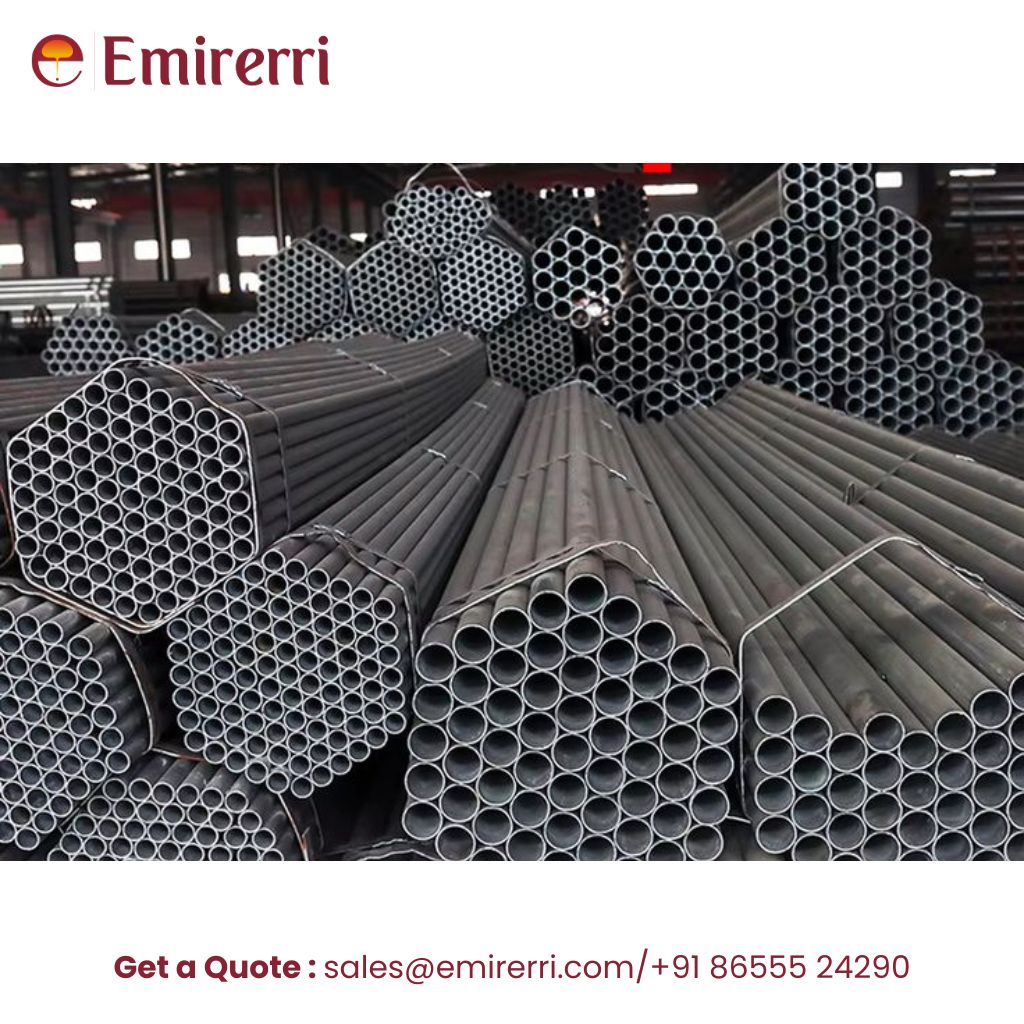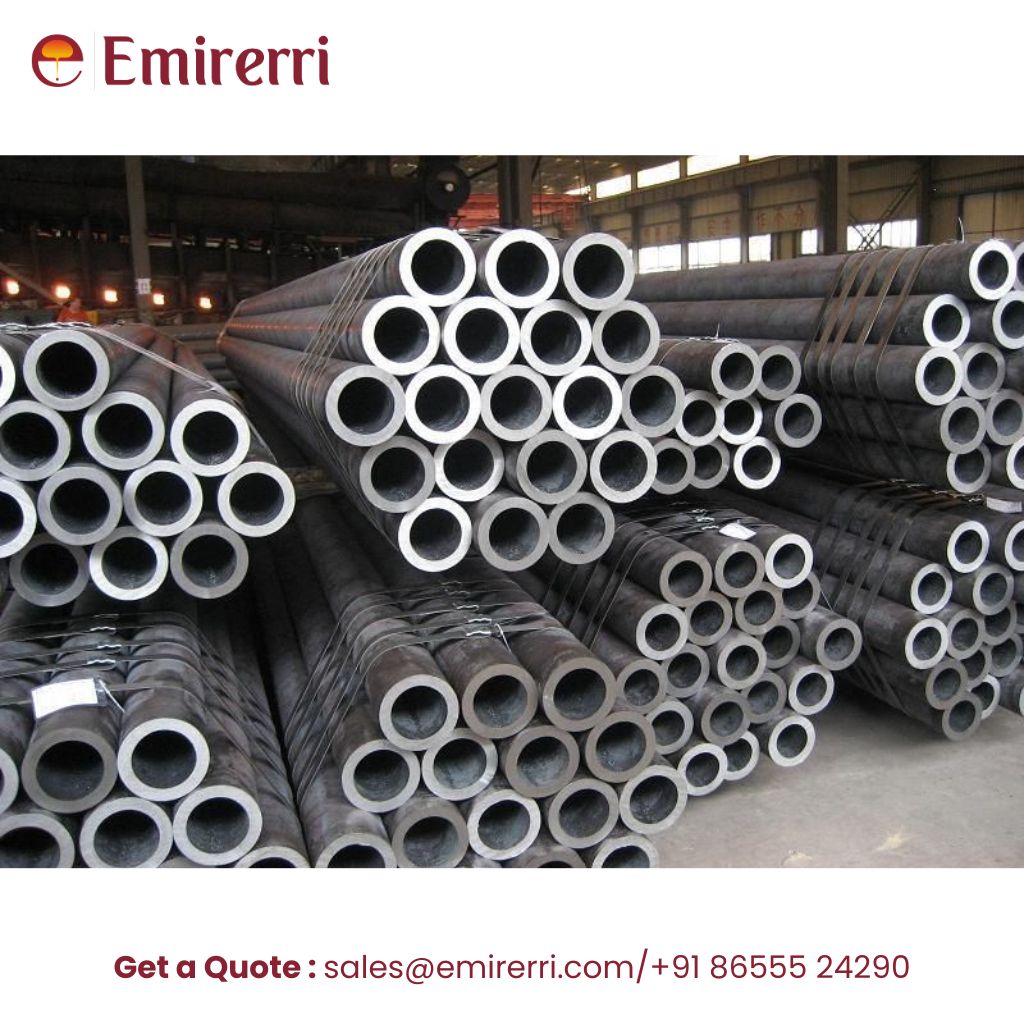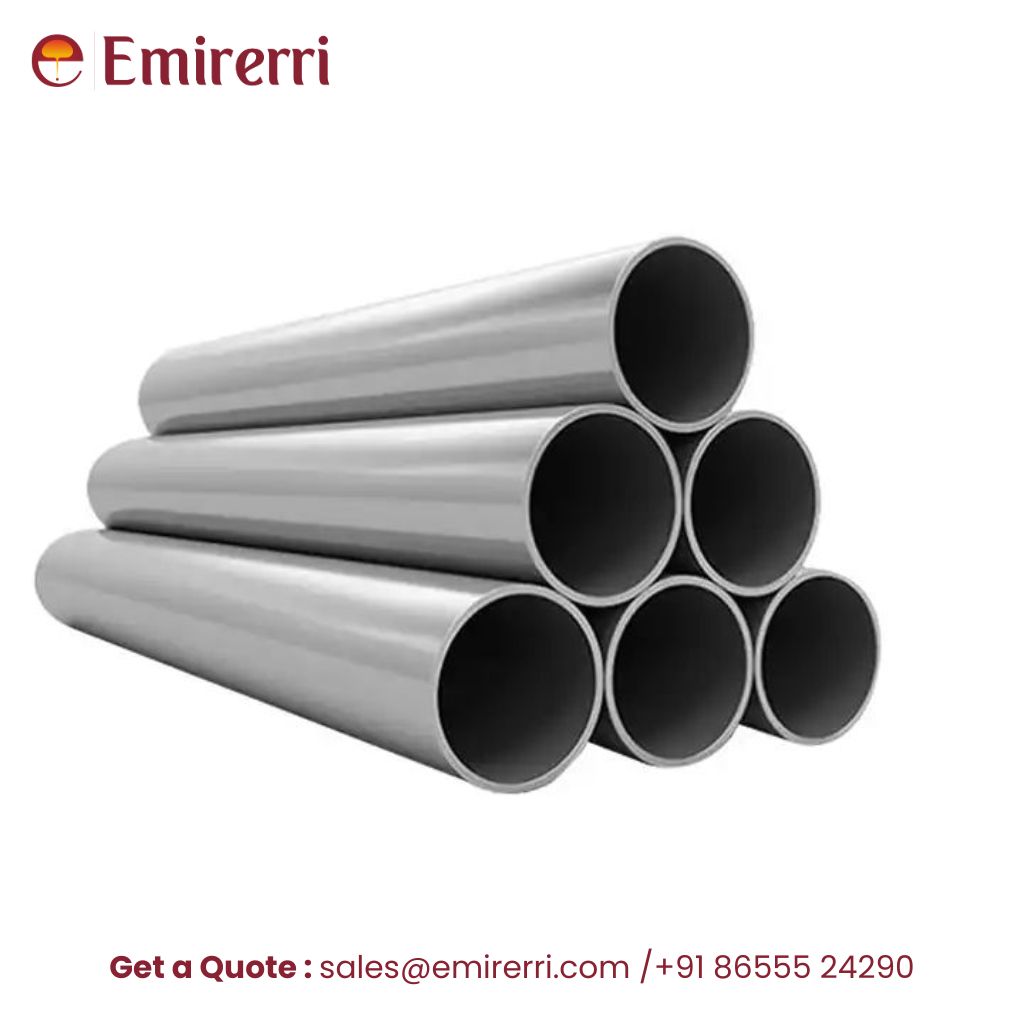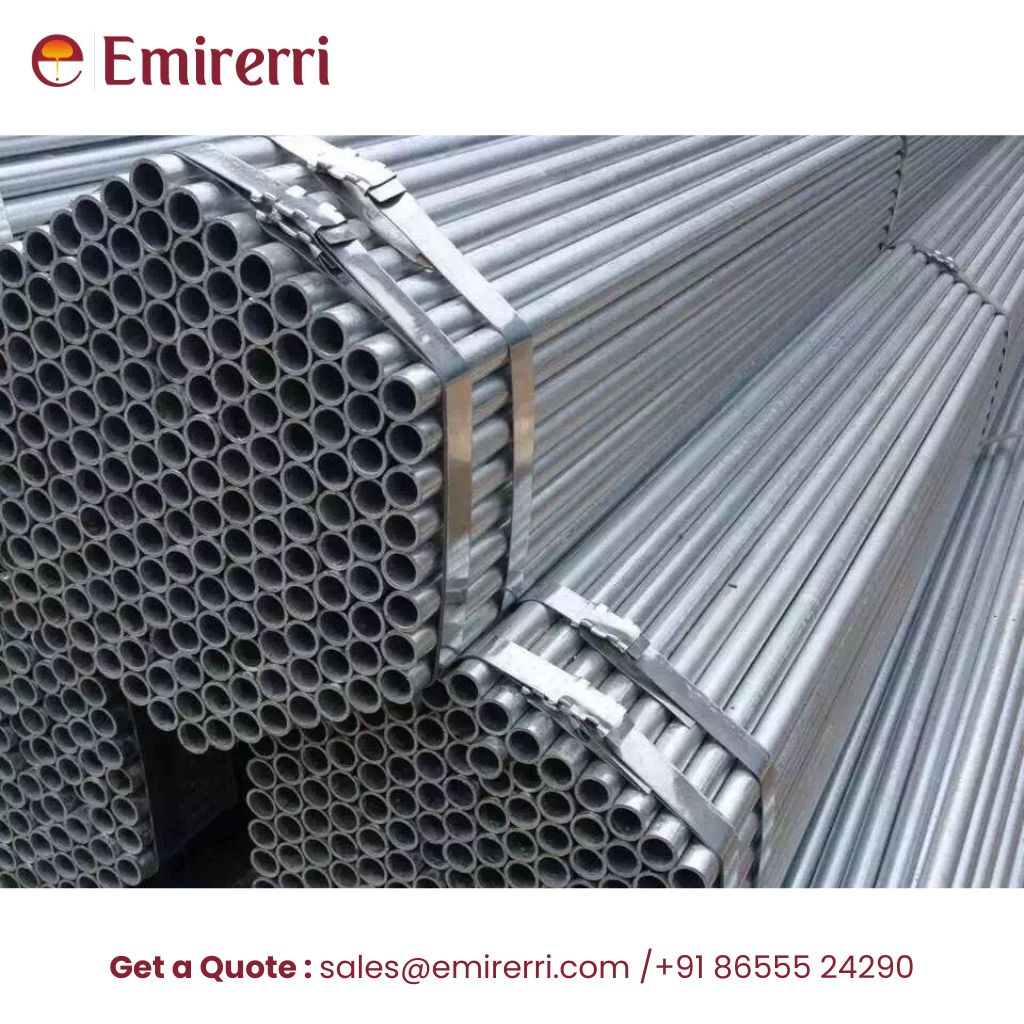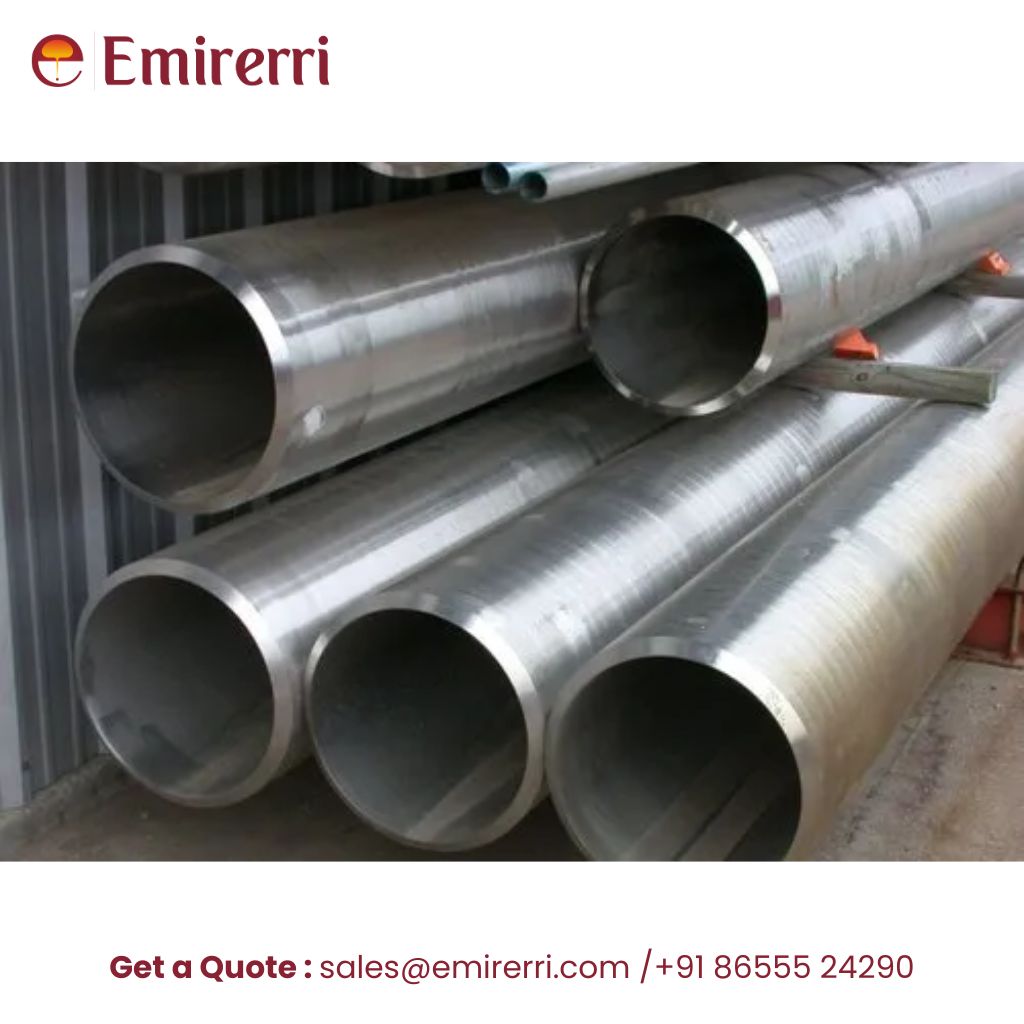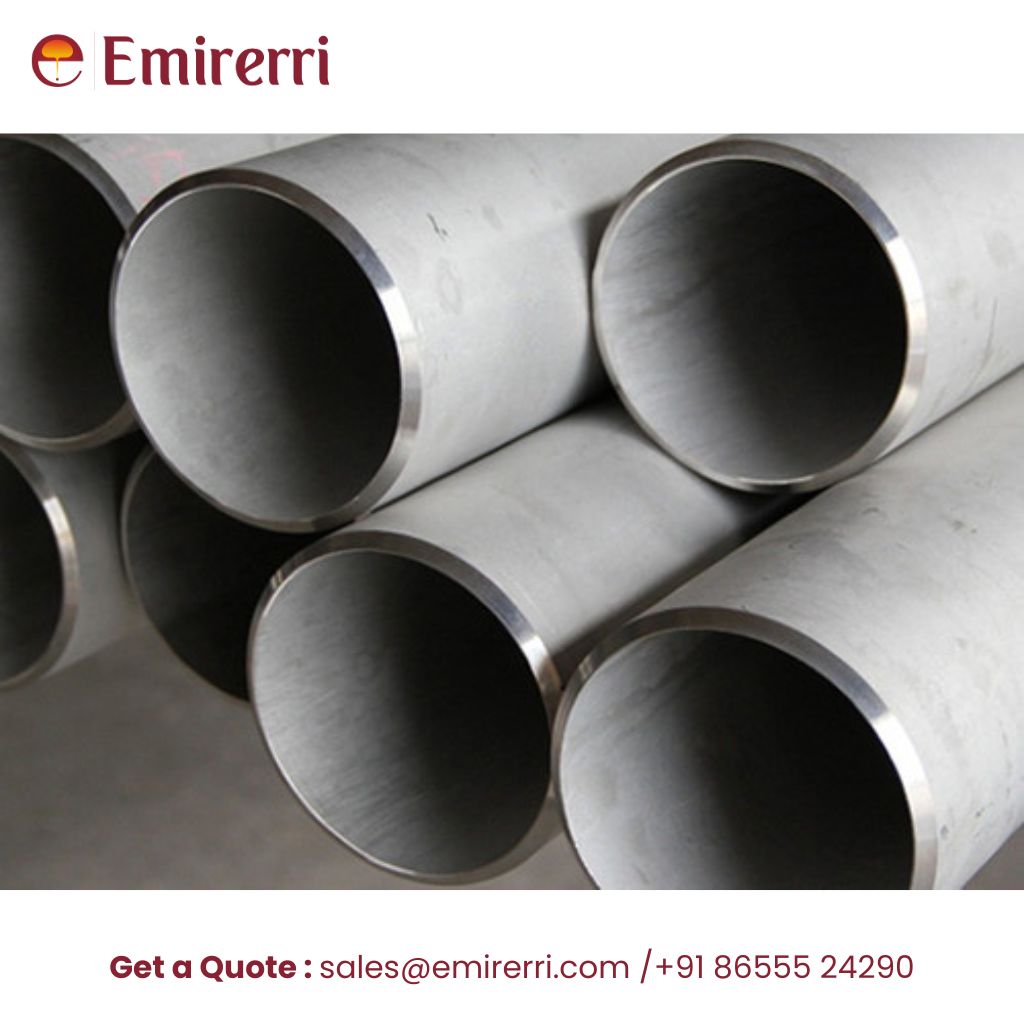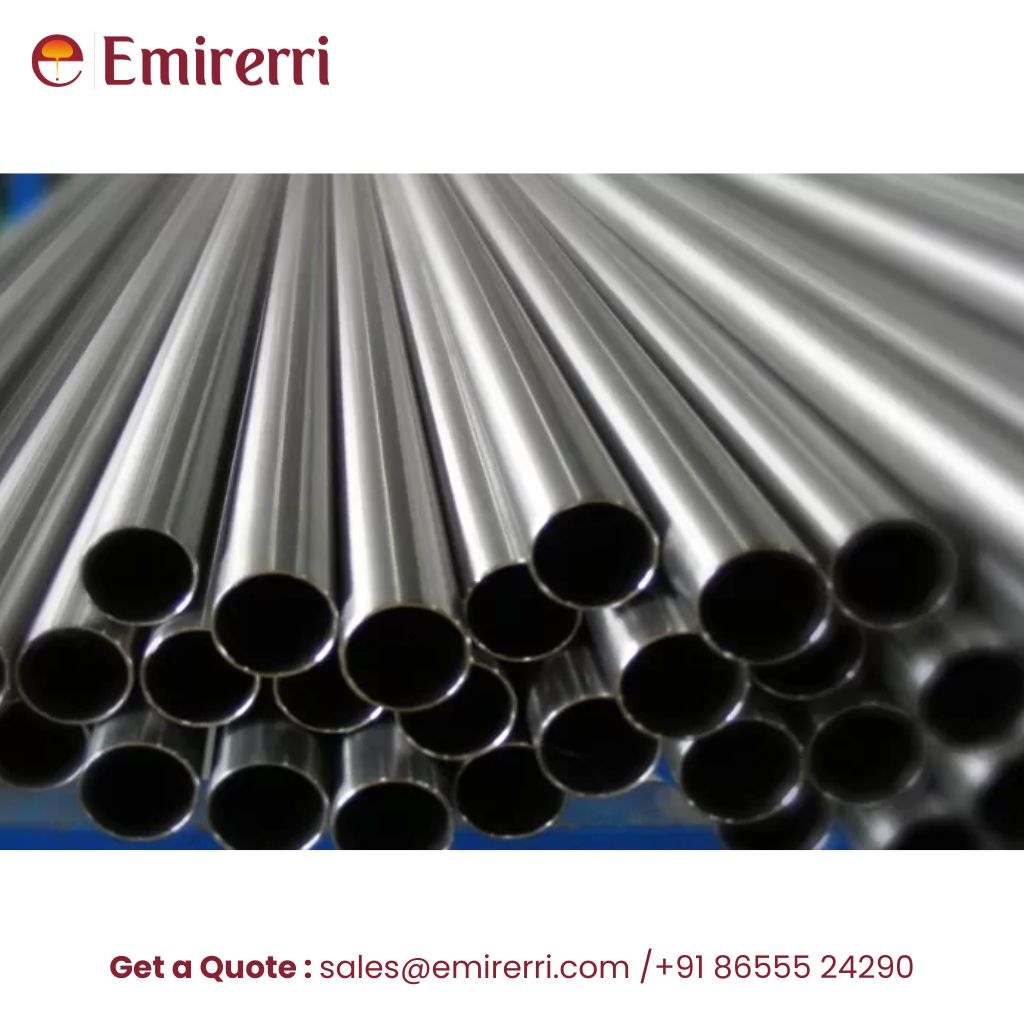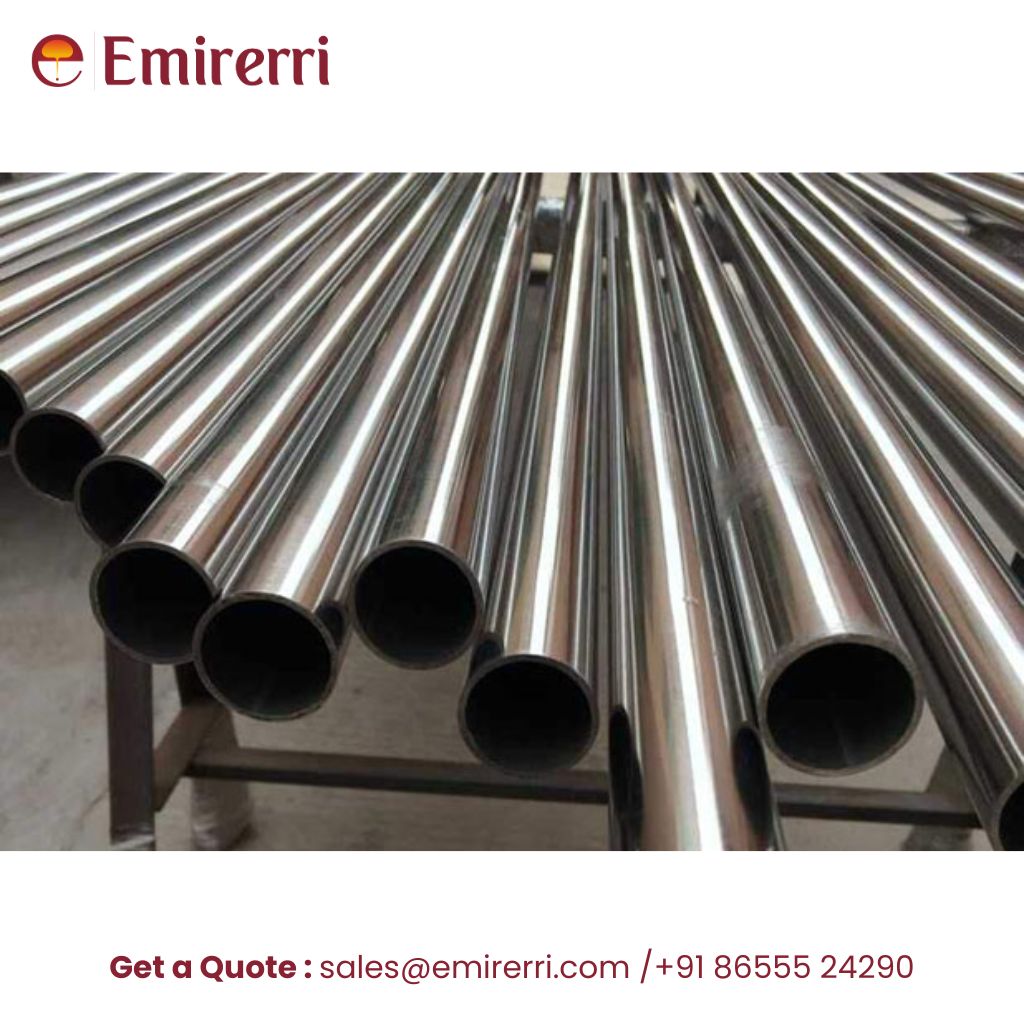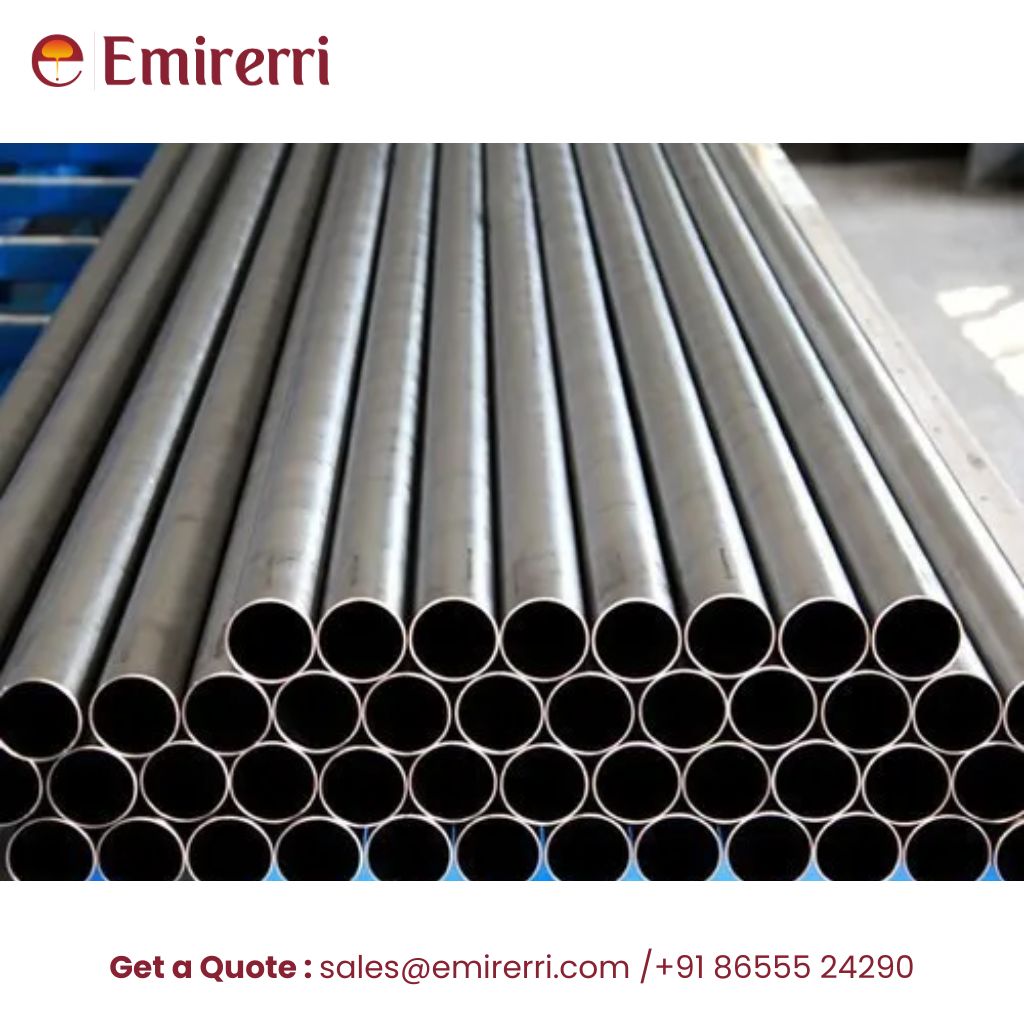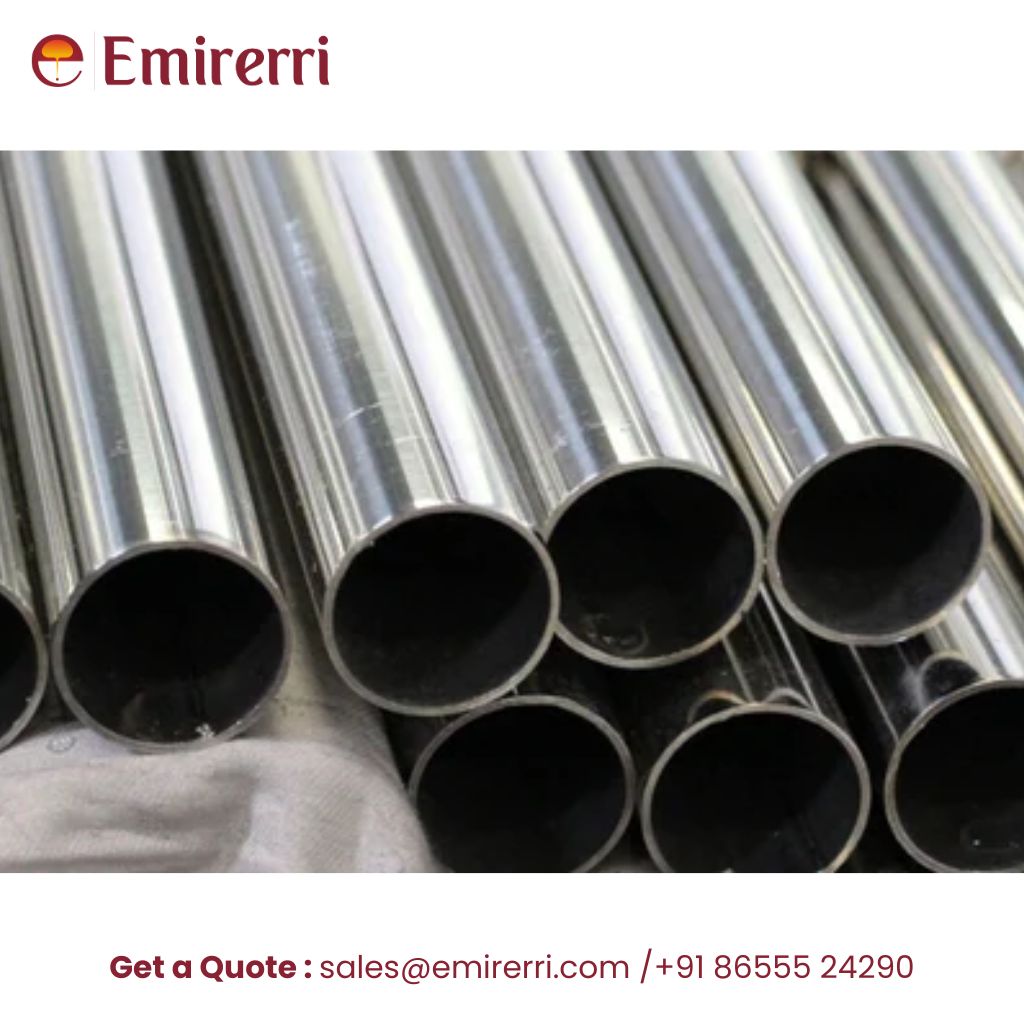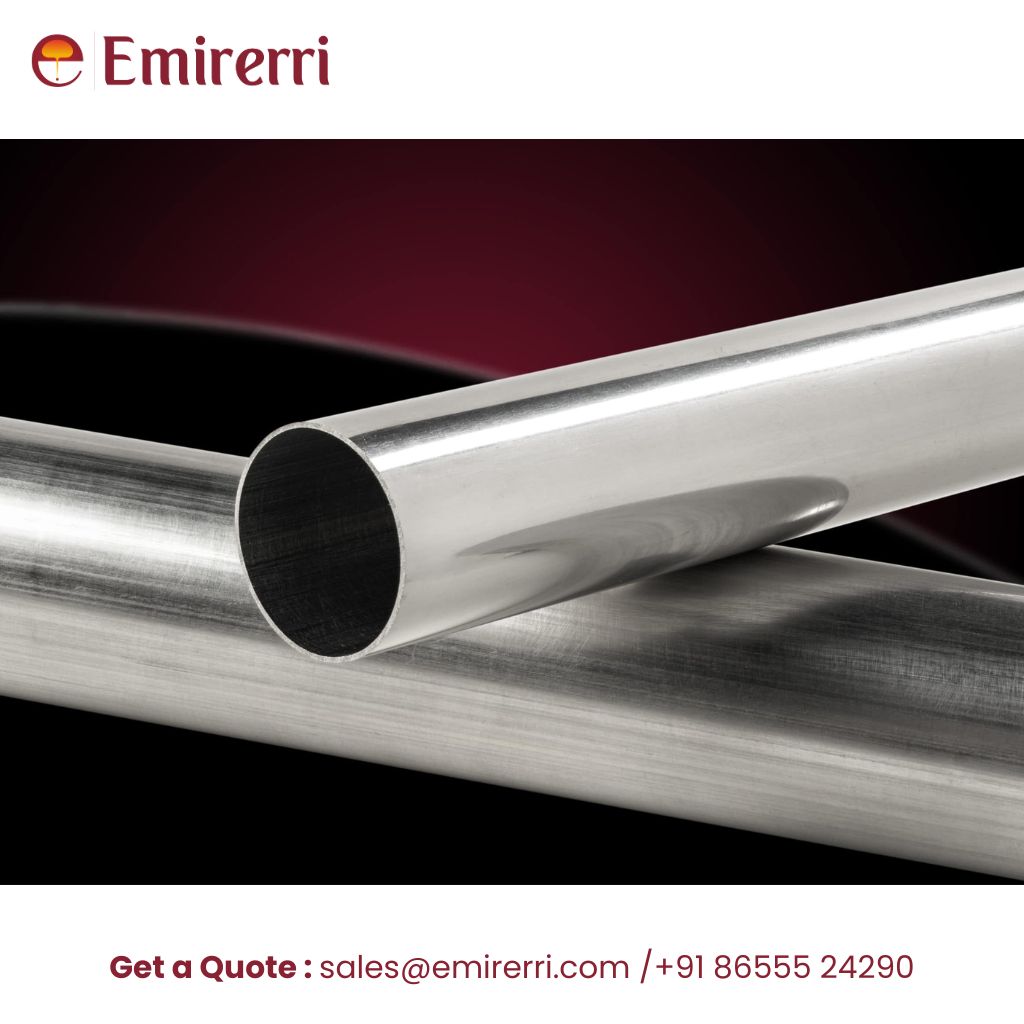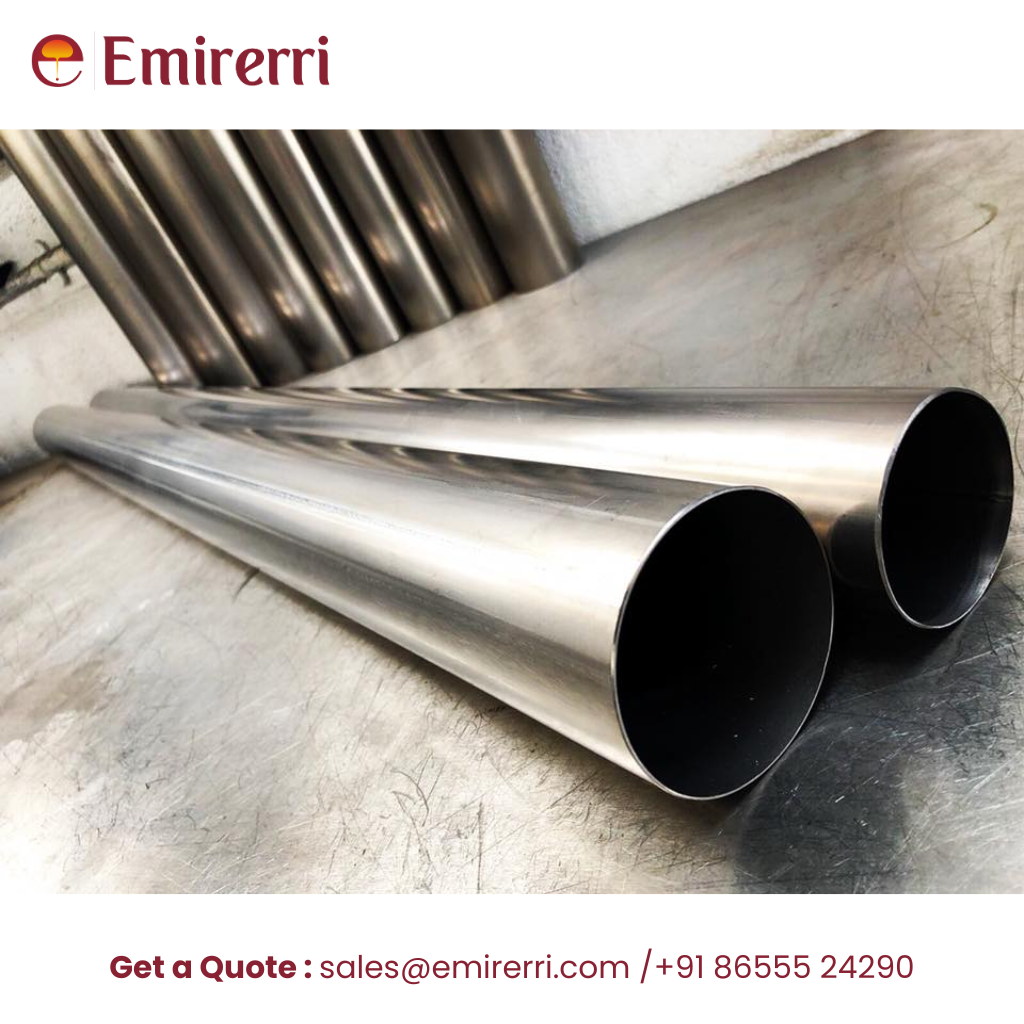
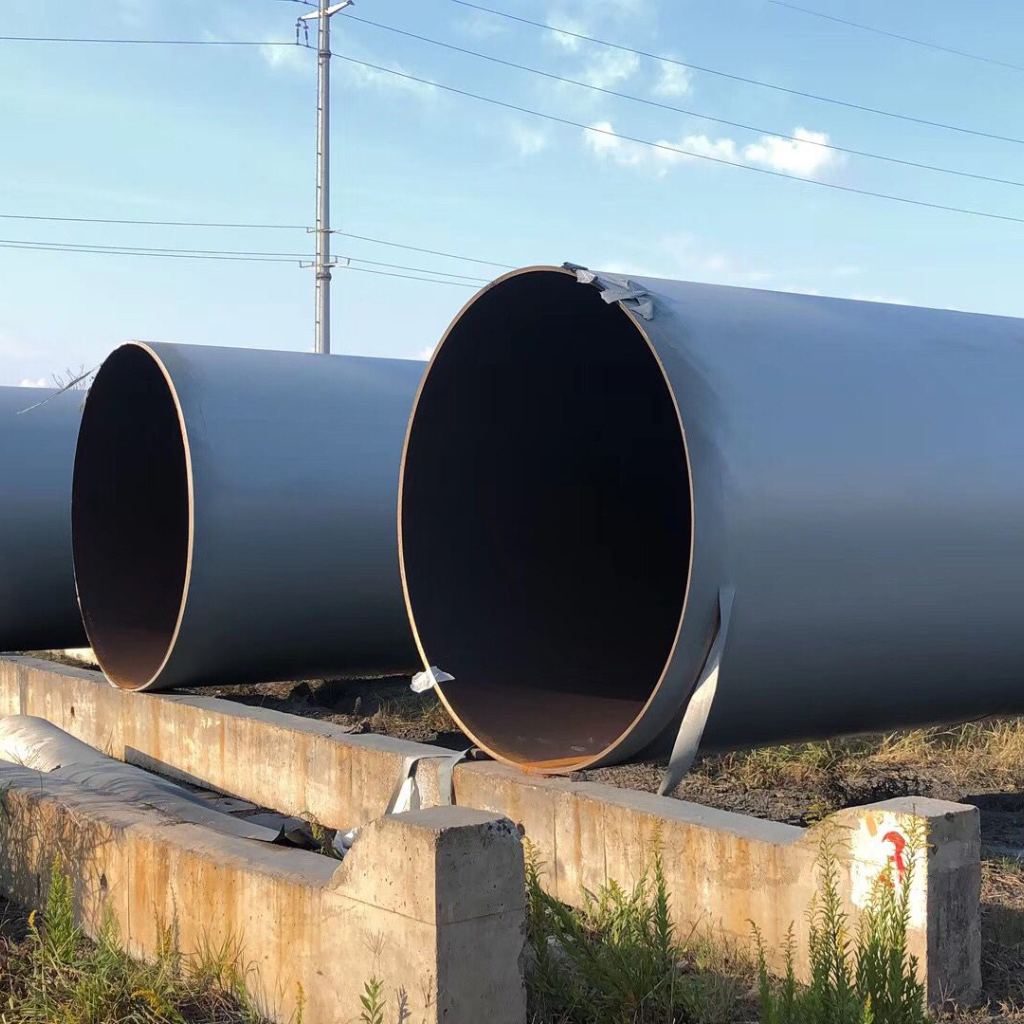
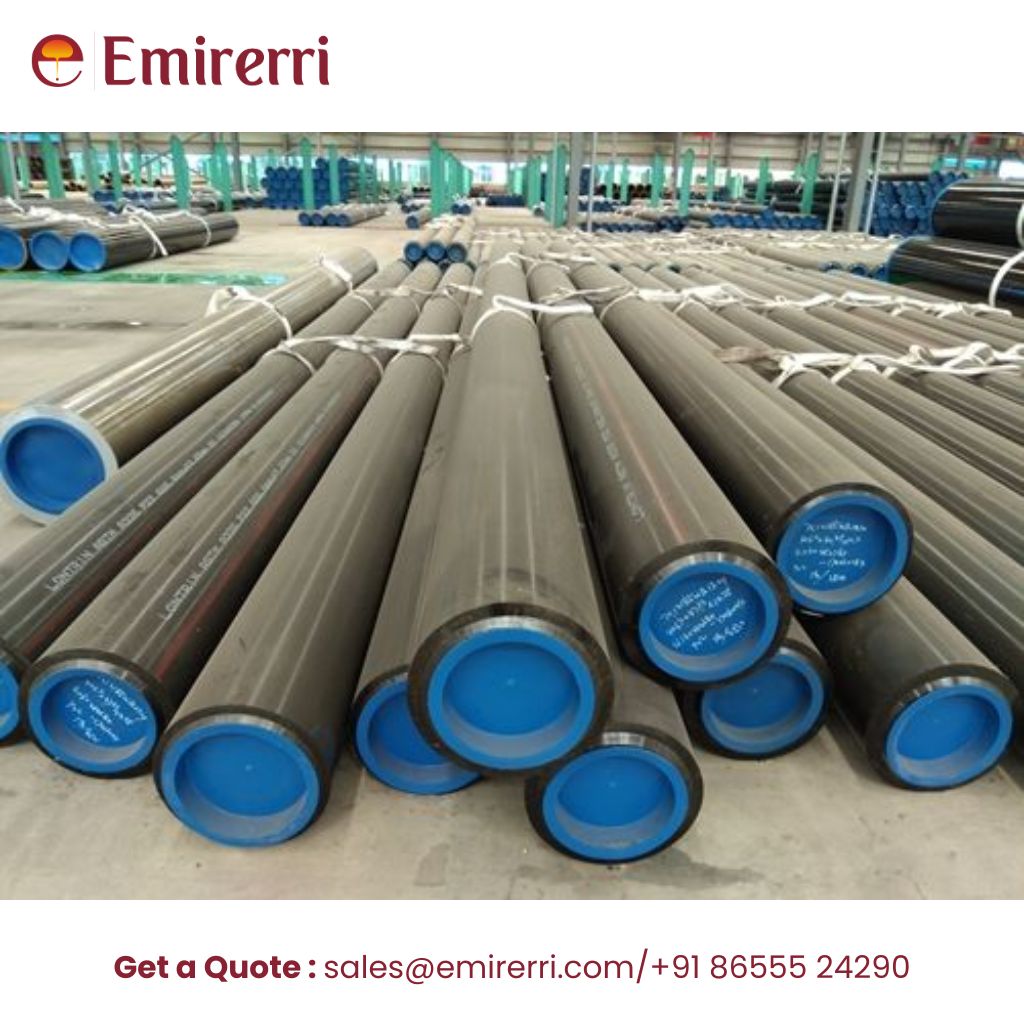
Welded Steel Pipe
Welded Steel Pipe Manufacturer & Supplier
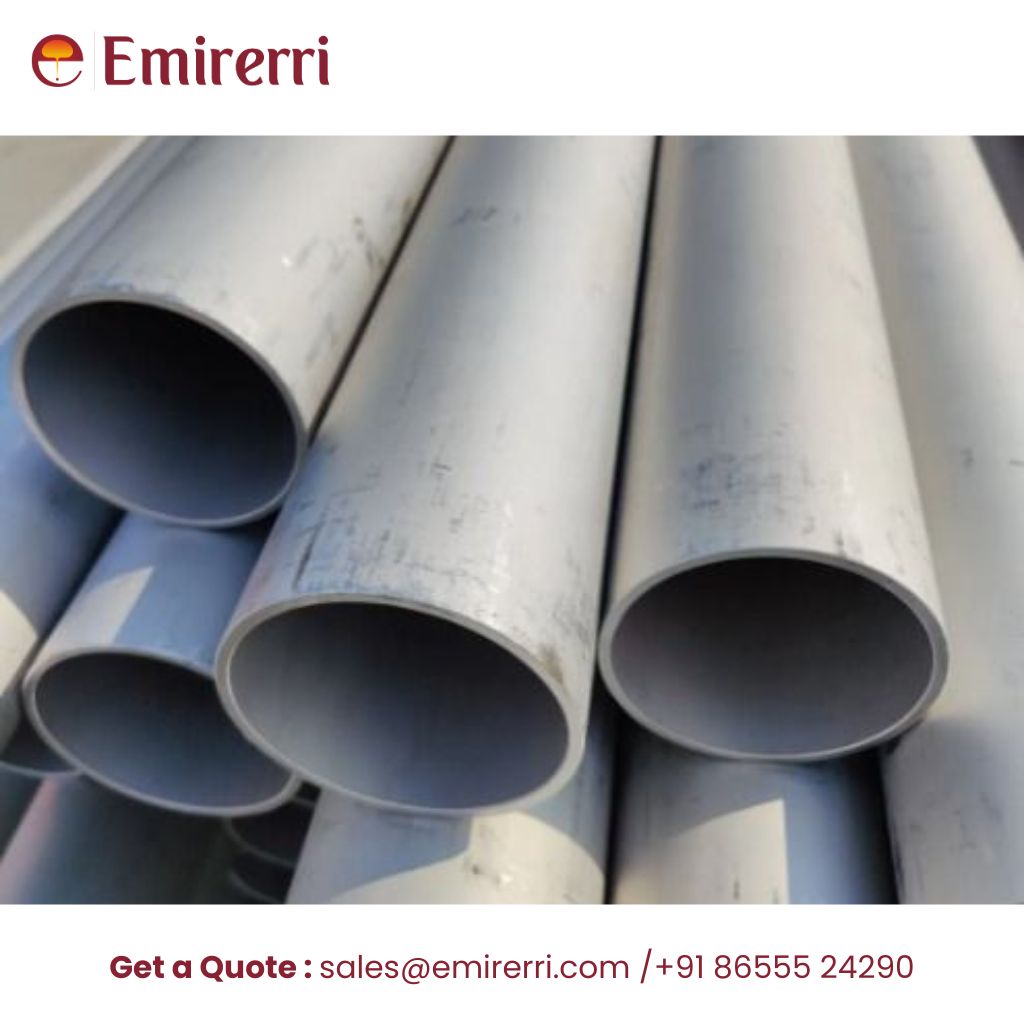
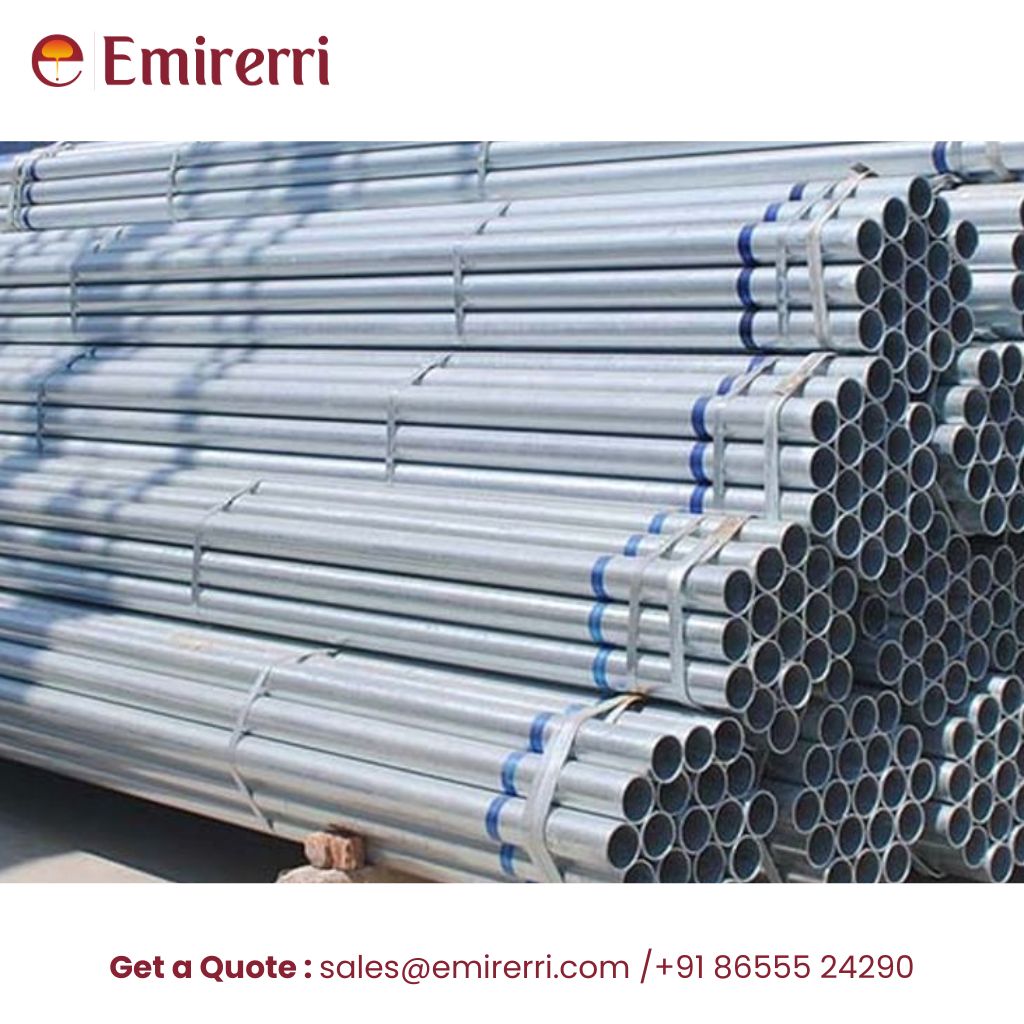
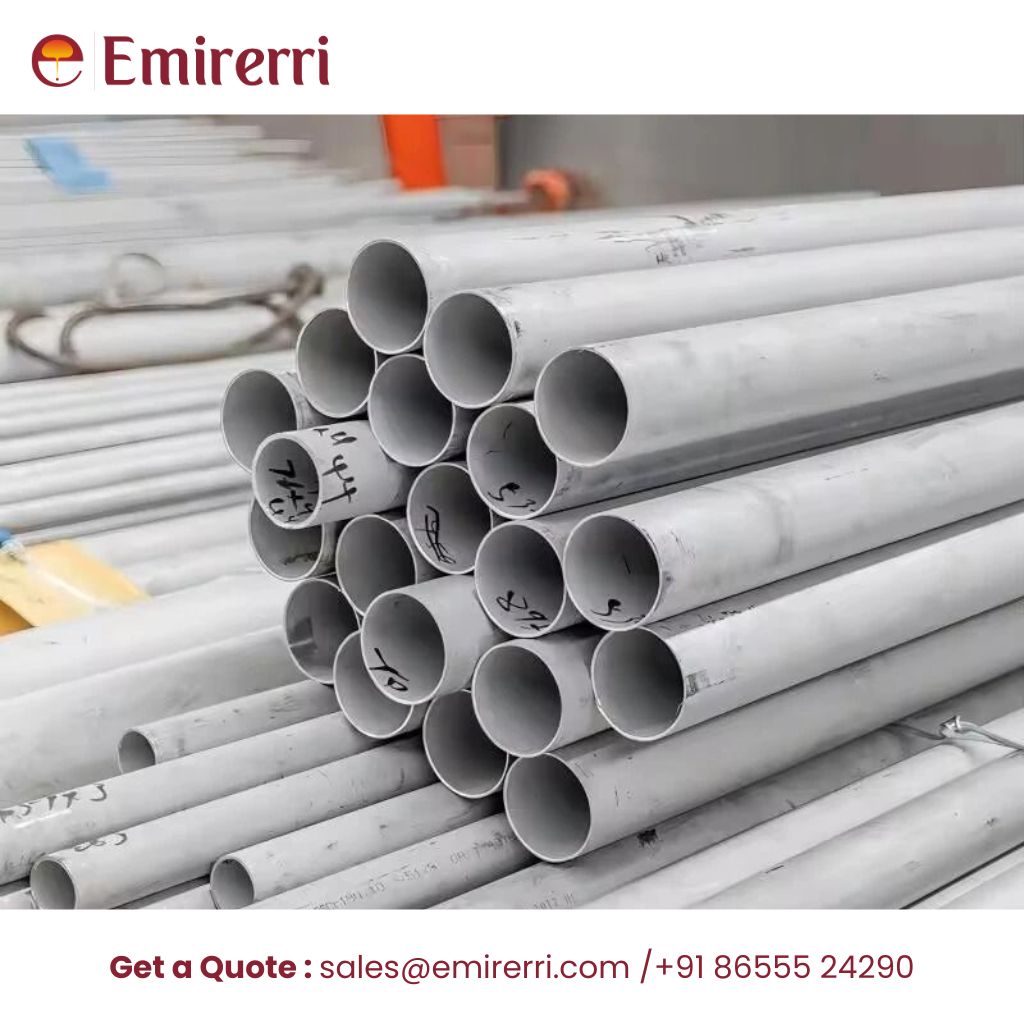
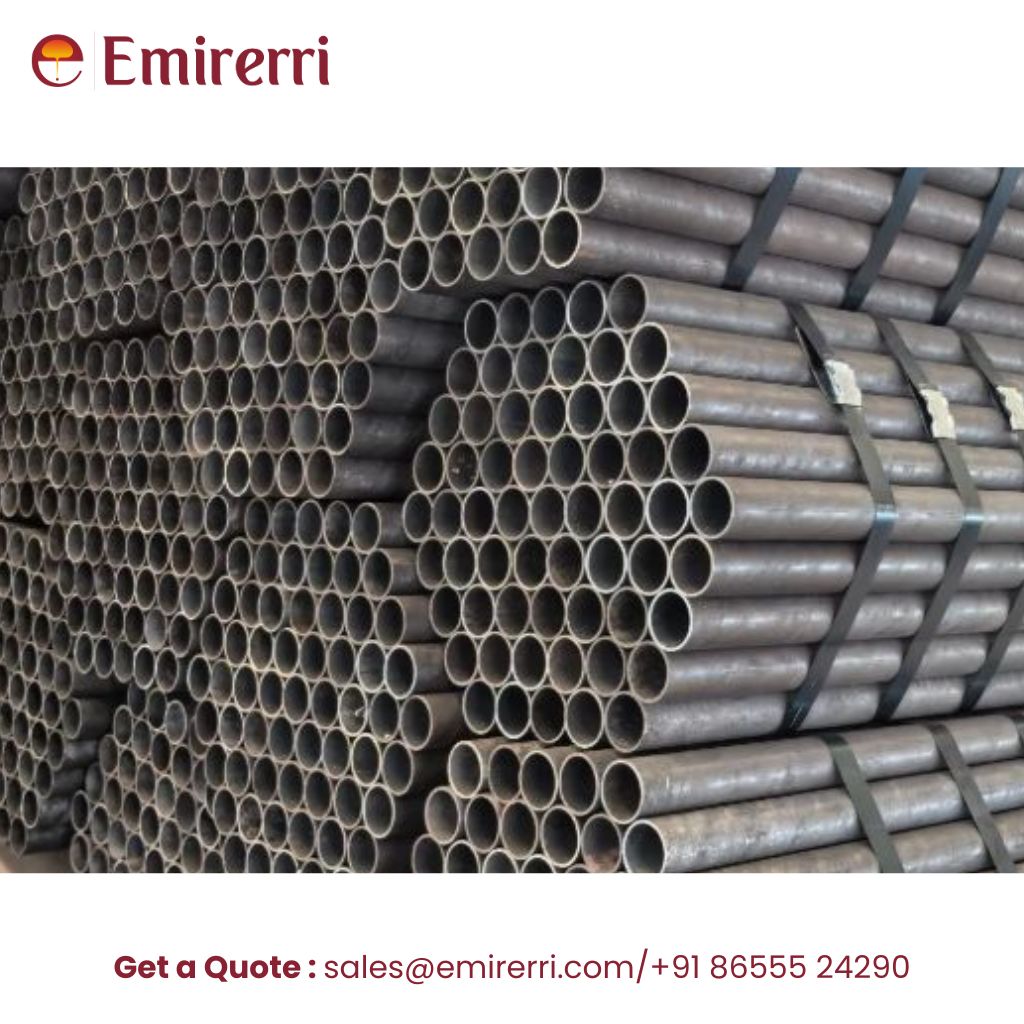
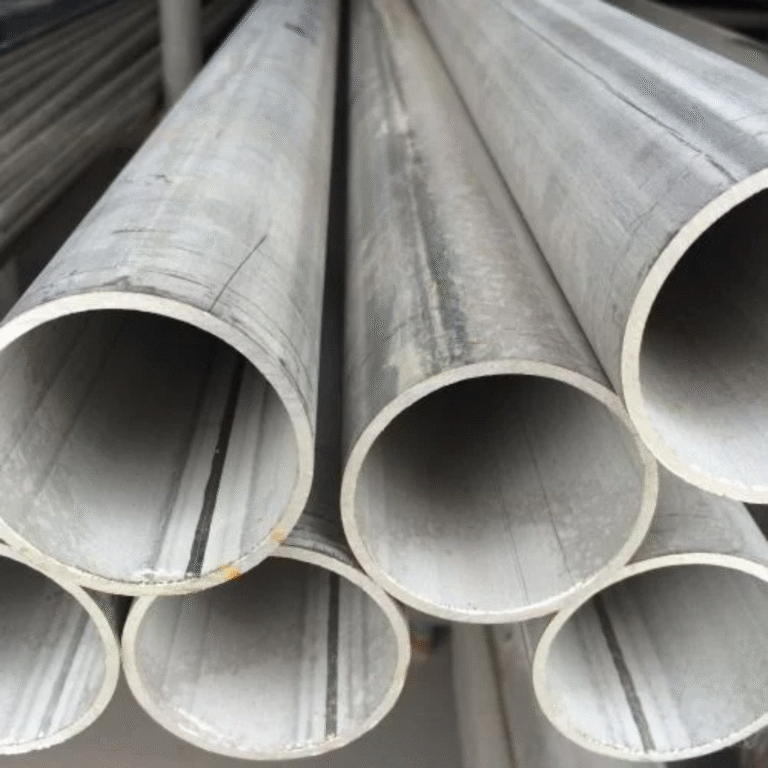
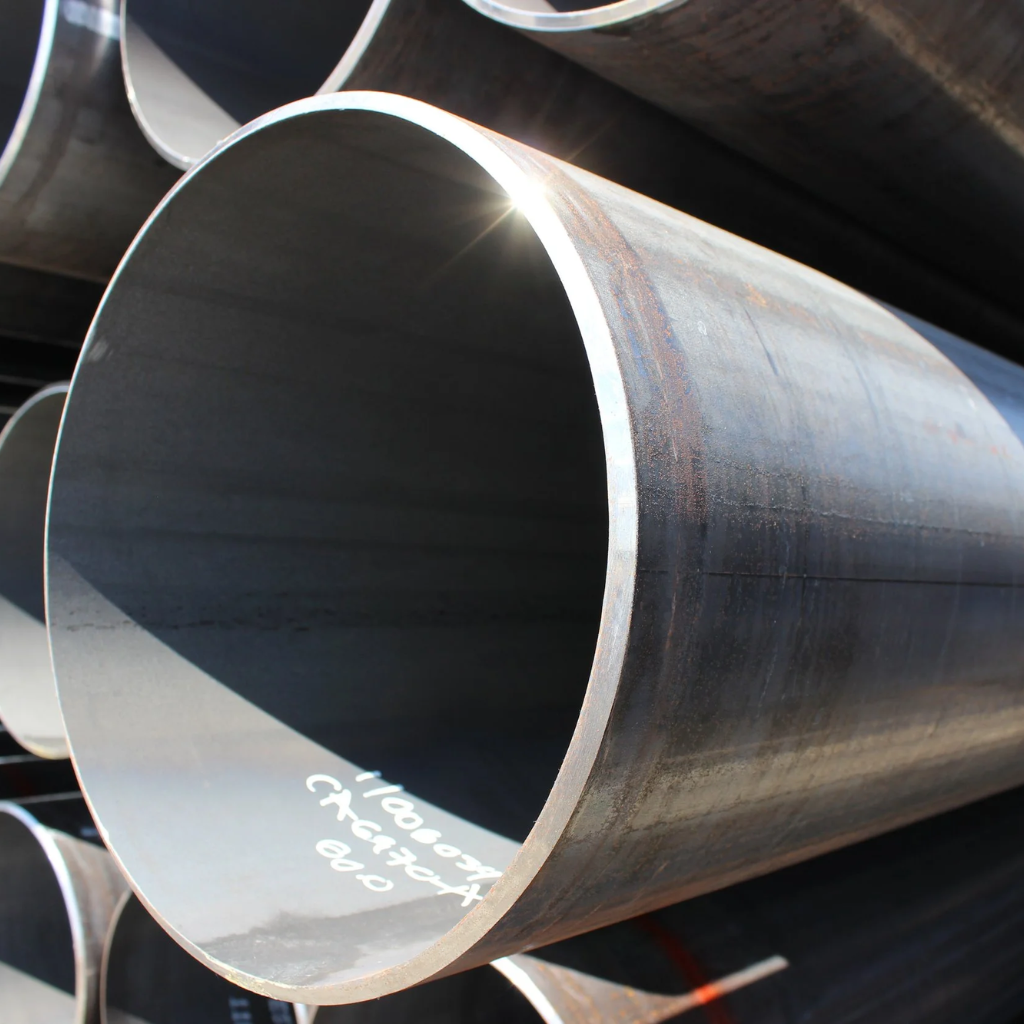
Welded steel pipes are one of the most widely used steel products in the global market due to their cost-effectiveness, consistent dimensions, and adaptability across industries. Unlike seamless pipes, which are formed from a solid billet, welded pipes are manufactured by rolling steel plates or coils into cylindrical shapes and welding the seams. This makes them an economical option for transporting fluids, gases, and solids, as well as for use in structural applications.
At Emirerri Steel, we specialize in supplying high-quality welded steel pipes that meet international standards, ensuring reliability, durability, and precision. With a broad product portfolio including ERW, LSAW, SSAW, and HFIW pipes, we cater to industries such as oil & gas, construction, petrochemicals, water treatment, and power generation.
What is a Welded Steel Pipe?
A welded steel pipe is produced by bending steel plates or coils into a cylindrical form and welding the seam using different techniques. The weld can be longitudinal (straight seam) or spiral (helical seam), depending on the production method.
Key characteristics of welded pipes include:
High dimensional accuracy
Smooth surface finish
Cost-effectiveness compared to seamless pipes
Availability in larger diameters and long lengths
Suitability for low to medium pressure applications
Manufacturing Process of Welded Steel Pipe
The production process of welded steel pipe varies depending on the method but generally includes:
Raw Material Selection
High-quality steel plates or coils are chosen based on the desired grade and specification.
Forming
The plate or strip is rolled into a cylindrical shape either by longitudinal bending or spiral rolling.
Welding
The edges are welded together using techniques such as Electric Resistance Welding (ERW), Submerged Arc Welding (SAW), or High-Frequency Induction Welding (HFIW).
Heat Treatment
Pipes may undergo post-weld heat treatment to relieve stress and enhance mechanical properties.
Sizing & Shaping
Pipes are passed through sizing mills to achieve precise dimensions and roundness.
Inspection & Testing
Pipes are subjected to hydrostatic testing, ultrasonic testing, and visual inspection to ensure compliance with ASTM, API, EN, and ISO standards.
Types of Welded Steel Pipes
Welded pipes come in different types based on manufacturing technology and application:
ERW (Electric Resistance Welded) Pipe
Produced by cold-forming steel coils and welding the seam using electrical resistance. Commonly used for water pipelines, scaffolding, and low-pressure applications.
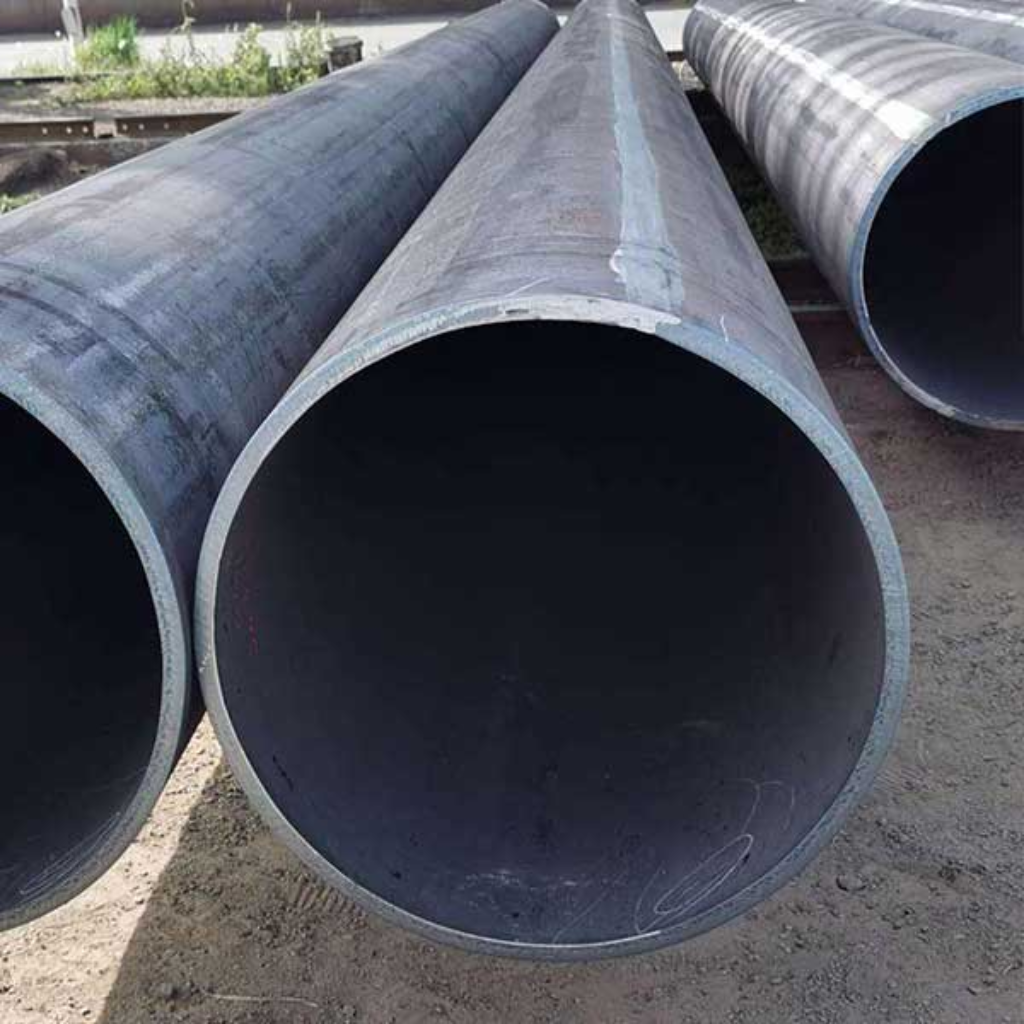
LSAW (Longitudinal Submerged Arc Welded) Pipe
Manufactured by bending plates and welding longitudinal seams. Suitable for high-pressure and long-distance oil & gas pipelines.
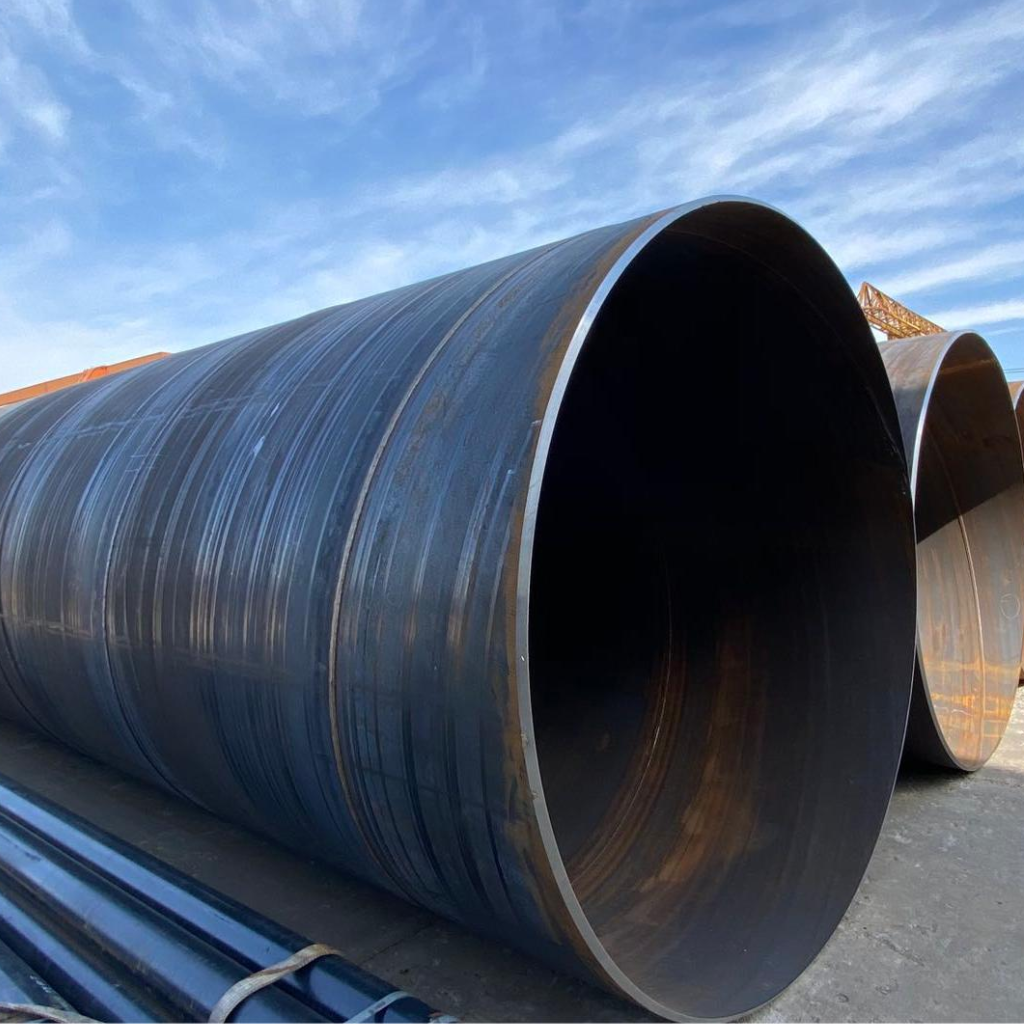
SSAW (Spiral Submerged Arc Welded) Pipe
Made by spiral rolling steel plates and welding helically. Ideal for large-diameter pipelines in water, oil, and gas transmission.
HFIW (High-Frequency Induction Welded) Pipe
Welded using high-frequency induction for strong seam bonding. Widely used in structural applications and fluid transportation.
Advantages of Welded Steel Pipe
Welded pipes are chosen for numerous applications due to their distinct advantages:
Cost-Effective Solution – Less expensive compared to seamless pipes, making them economical for large projects.
Availability in Large Sizes – Can be manufactured in large diameters, making them suitable for infrastructure projects.
High Dimensional Accuracy – Consistent wall thickness and surface finish due to controlled manufacturing.
Versatility – Can be used in water supply, oil & gas, structural supports, and mechanical applications.
Customization – Easy to produce with different coatings, thicknesses, and lengths according to project needs.
Applications of Welded Steel Pipe
Welded steel pipes play a critical role across multiple sectors:
Oil & Gas Industry
Used in long-distance transportation pipelines for crude oil, natural gas, and petroleum products.
Construction & Infrastructure
Applied in structural frameworks, bridges, piling, and scaffolding.
Water Supply & Sewage Systems
Ideal for transporting potable water, wastewater, and industrial fluids.
Power Generation & Energy
Used in boilers, heat exchangers, and high-temperature equipment.
Mechanical & Automotive
Employed in exhaust systems, chassis, and machinery parts.
Agriculture & Irrigation
Used in irrigation pipelines, drainage systems, and agricultural machinery.
Carbon Steel Pipes & Tubes
ASTM A106 / SA106
ASTM A53 / SA53
ASTM A179 / SA179
ASTM A192 / SA192
ASTM A210 / SA210
ASTM A333 / SA333
ASTM A500
ASTM A513
ASTM A519
Stainless Steel Pipes & Tubes
ASTM A213 / ASME SA213
ASTM A269 / ASME SA269
ASTM A312 / ASME SA312
ASTM A249 / ASME SA249
ASTM A554 / ASME SA554
Duplex & Super Duplex Steel
ASTM A789
ASTM A790
Alloy Steel Pipes & Tubes
ASTM A213 / ASME SA213
ASTM A335 / ASME SA335
ASTM A209 / ASME SA209
ASTM A369 / ASME SA369
Nickel Alloy Pipes & Tubes
ASTM B161
ASTM B163
ASTM B165
ASTM B725
ASTM B167
ASTM B423
ASTM B622
ASTM B626
Titanium Pipes & Tubes
ASTM B338
ASTM B861
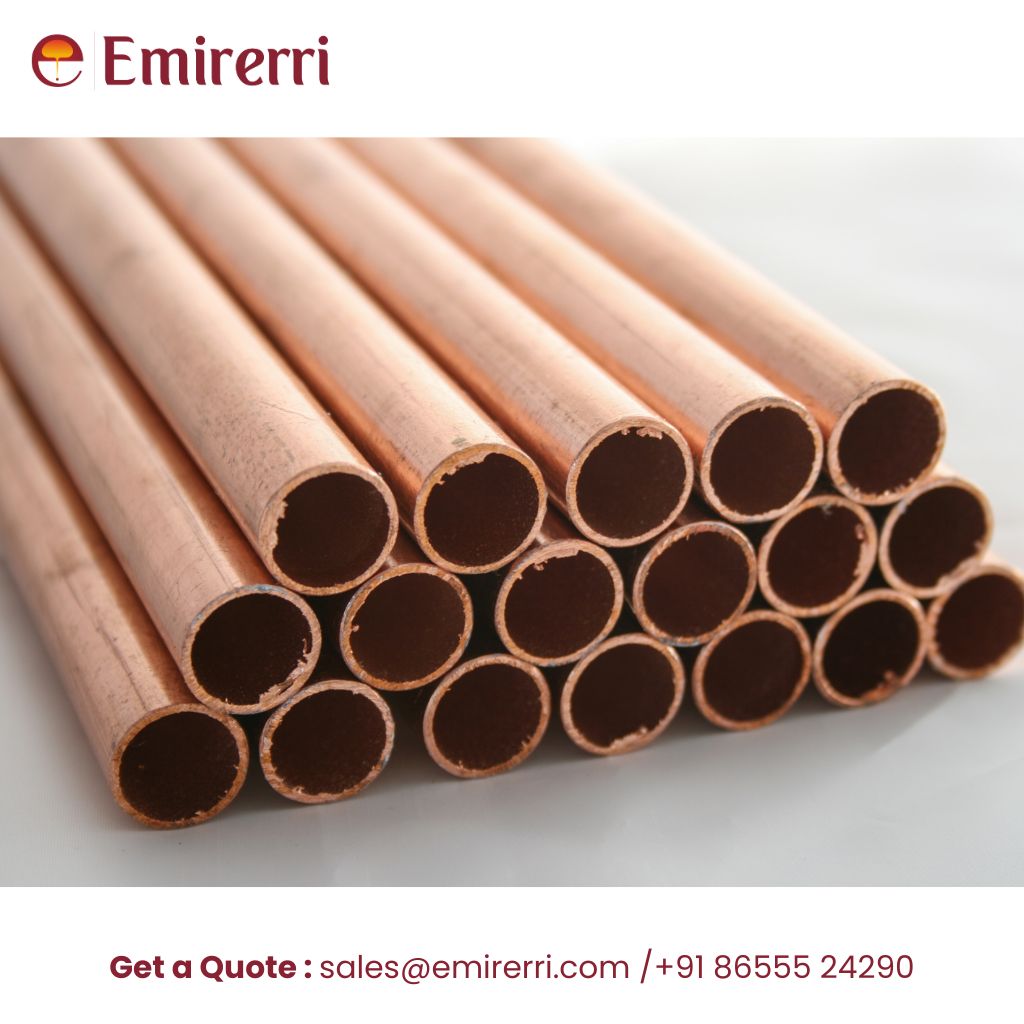
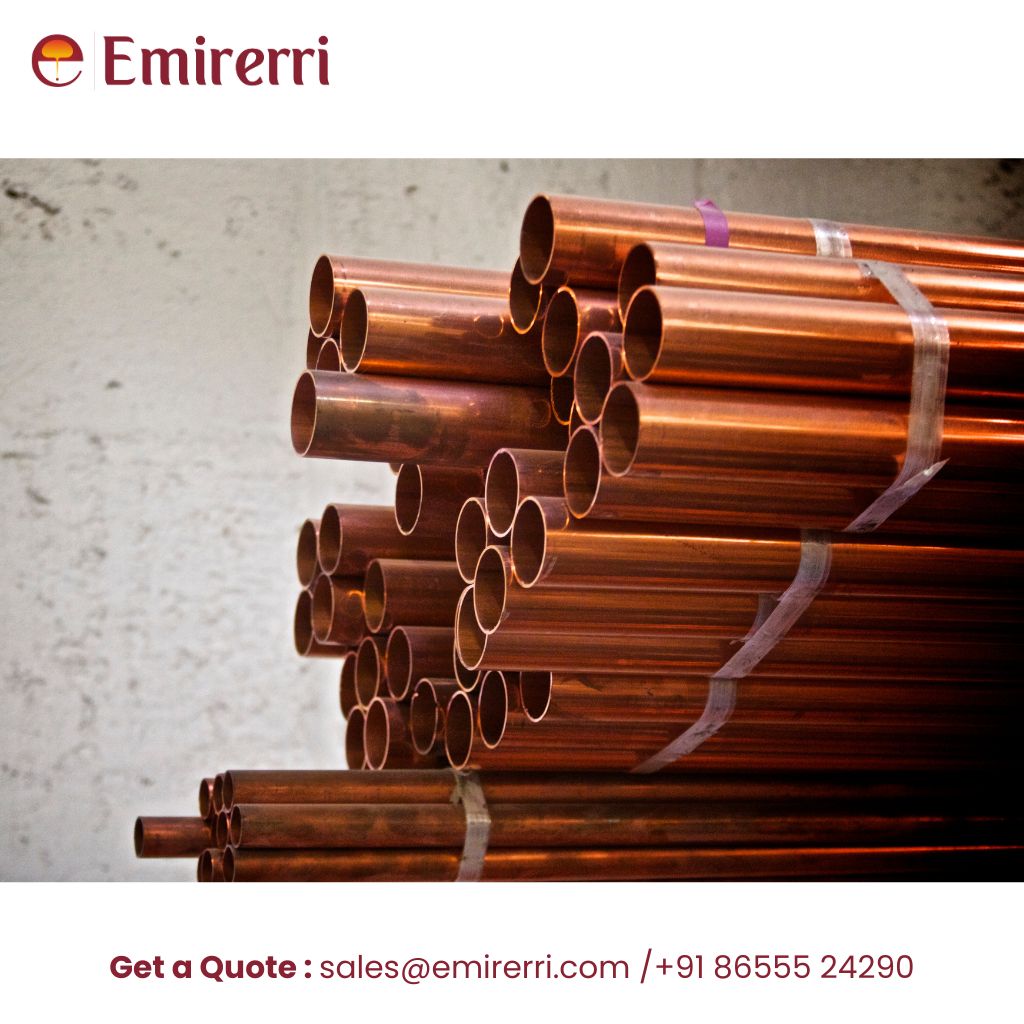
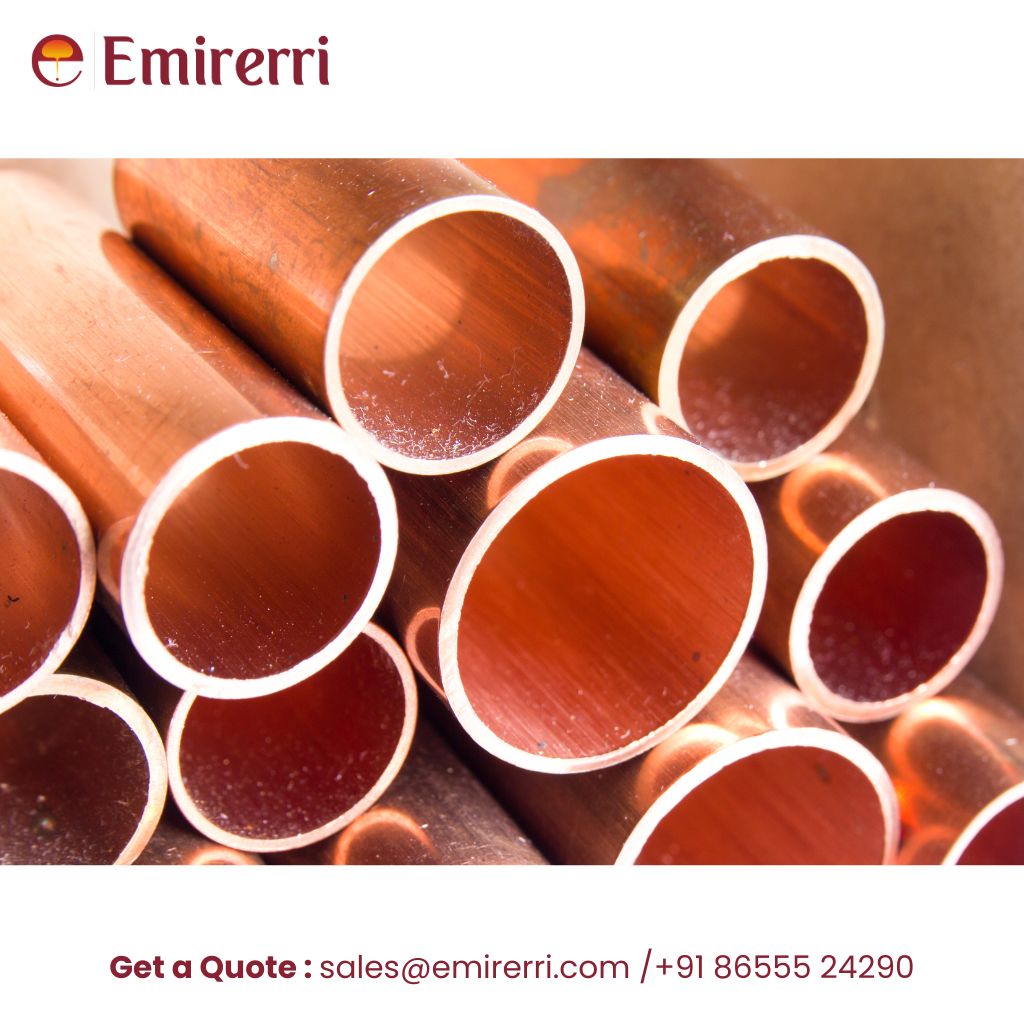
Copper Alloy Tubes
ASTM B88
ASTM B111
ASTM B466
Why Choose Emirerri Steel for Welded Steel Pipes?
Diverse Range – ERW, LSAW, SSAW, and HFIW pipes available in multiple grades.
Quality Assurance – Strict adherence to ASTM, API, EN, and ISO standards.
Global Reach – Trusted supplier to industries worldwide.
Customization – Pipes tailored in length, coating, and finishing as per customer requirements.
Competitive Pricing – High-quality products at cost-effective prices.
On-Time Delivery – Robust supply chain and large inventory for fast delivery.